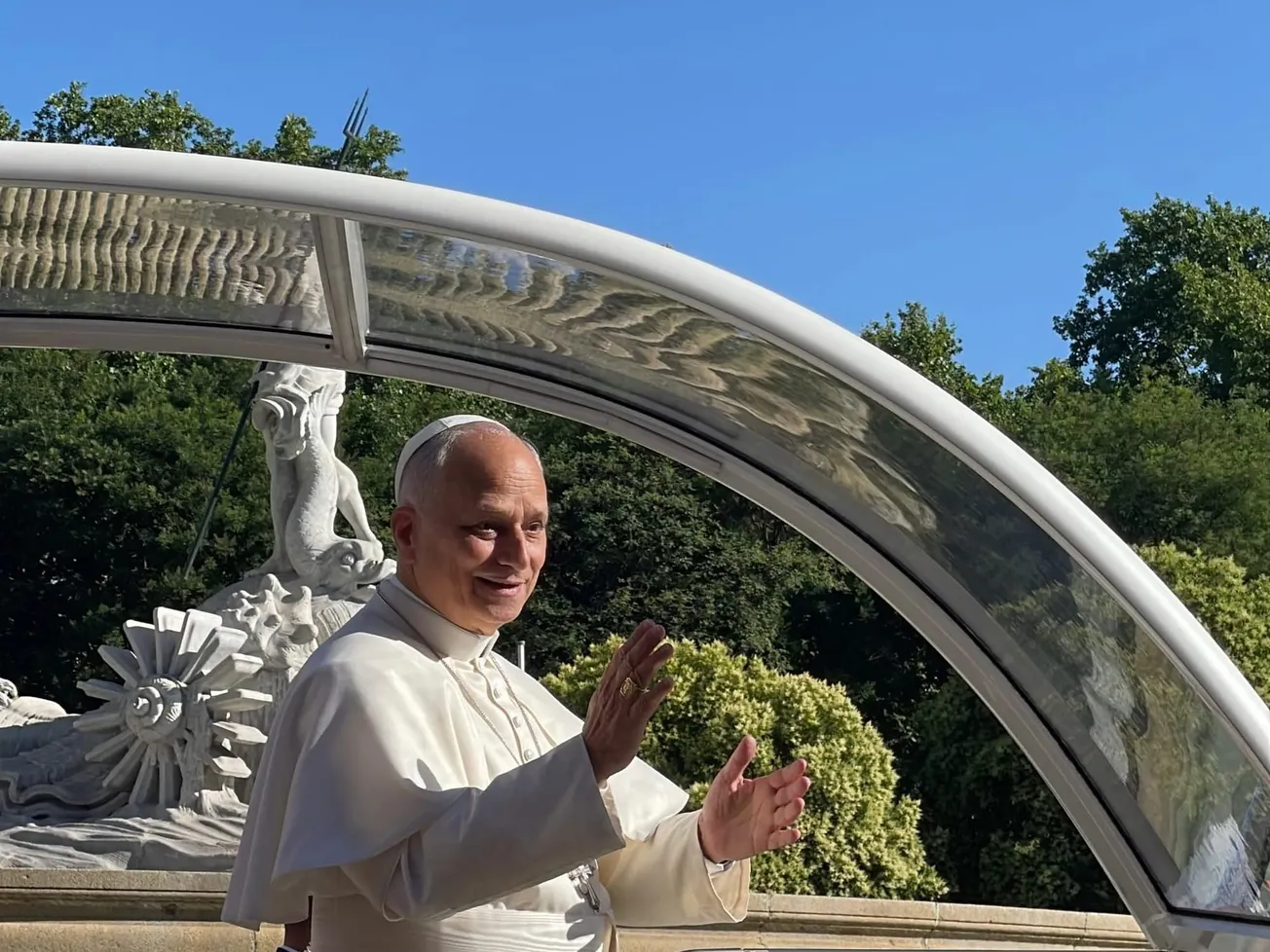
In a new interview, Pope Leo XIV has publicly acknowledged the presence of enslaved persons—and slaveholders—among his ancestors, marking the first such comments from the first American pontiff.
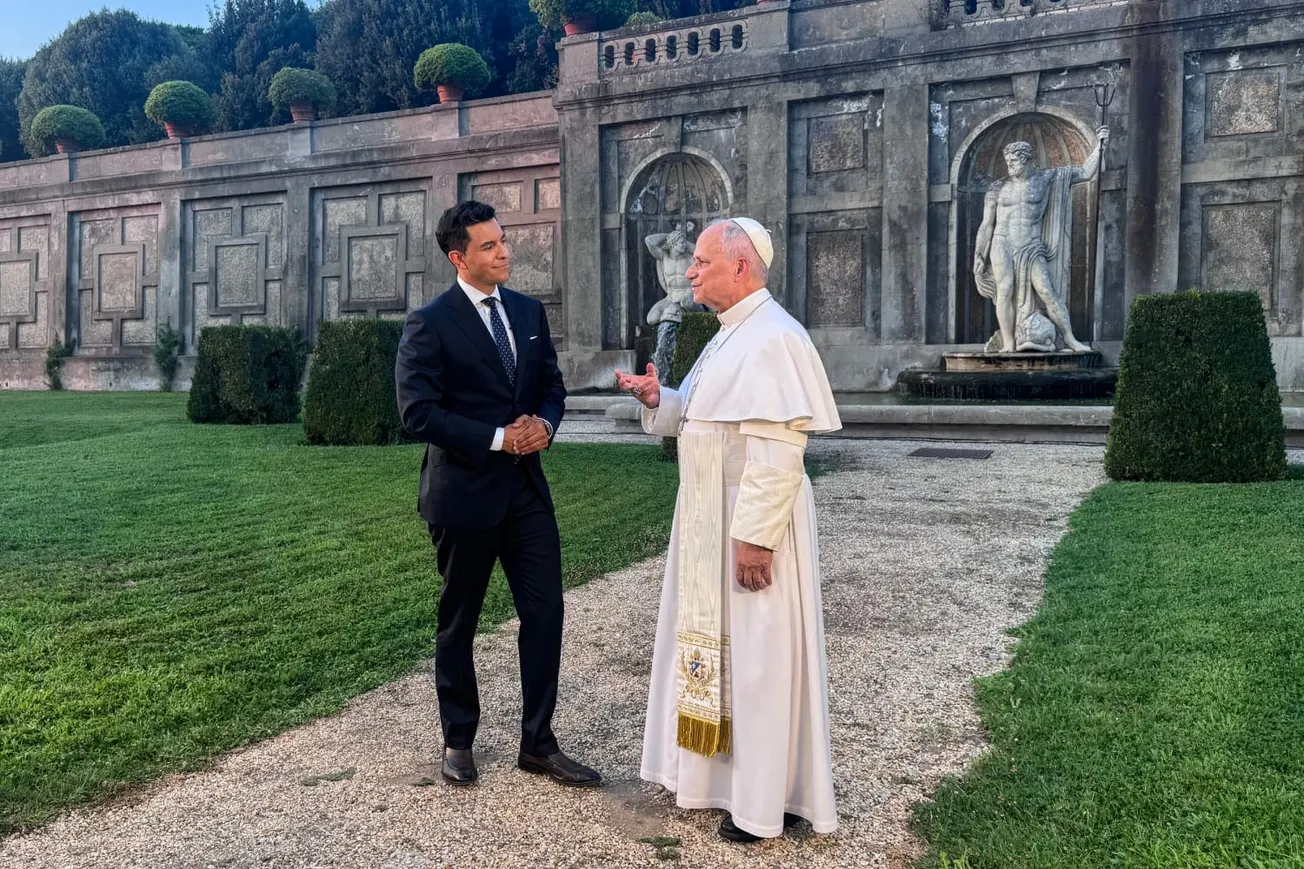
Leo shared the information with Tom Llamas of NBC News, in response to a question about his connection to the United States.
“Just to clarify, I think of myself more as the pope who happens to be American, not to belittle what it means to be American,” Leo said on Wednesday, going on to describe his love for America but also his mission as the Church’s universal pastor.
Describing what he loves about America, the Holy Father said he values the nation’s founding values of freedom and opportunity, as well as its identity as a nation originally made up largely of immigrants. Leo’s own paternal ancestors originated in Italy and France, while his maternal side was of French, Spanish, Indigenous, and African descent, becoming part of the Louisiana Black Creole community.
“We have people who were both slaves and slave owners,” said Leo, who appeared to add that this knowledge helps him to “recognize” himself.
“[It’s one of the greatest wealths of the United States, and I continue to hold the principles that have been a part of being American for so many years that that will continue.”
The comments come just months after the pope made waves with his maiden encyclical “Magnifica Humanitas,” a manifesto in human dignity that includes an apology for the Vatican’s role in legitimizing slavery in Europe, Africa, and the New World.
It is not known whether the apology was influenced by the pope’s recent discovery of his own ancestry, which came to the fore following last year’s historic papal conclave in Vatican City.
Shortly after his election as pope in May 2025, American genealogists—chief among them being Jari Honora, a Black Catholic from New Orleans—discovered that Leo’s ancestry includes African Americans. Though these ancestors in Louisiana were identified as Black or Mulatto on the U.S. Census, his maternal grandparents later identified as White after migrating to the Chicago area.
By all indications, Leo—born Robert Prevost—was raised with his siblings as a White American, only discovering his more complex ethnic and racial heritage after becoming pope. The pontiff revealed in an interview last year that he learned of it from his brother John, who was reading “Léon XIV. De toutes les nations: Enquête généalogique,” a book from the French historian and journalist Philippe Delorme.
“I knew some of what's been published, but a lot has been discovered that I wasn't aware of,” Leo said last July.
“[The book covers] the African roots, which there apparently are, and French and Italian and Spanish and Cuban and Haitian, and Peruvian—because of the Spanish connection.”
 Nate Tinner-Williams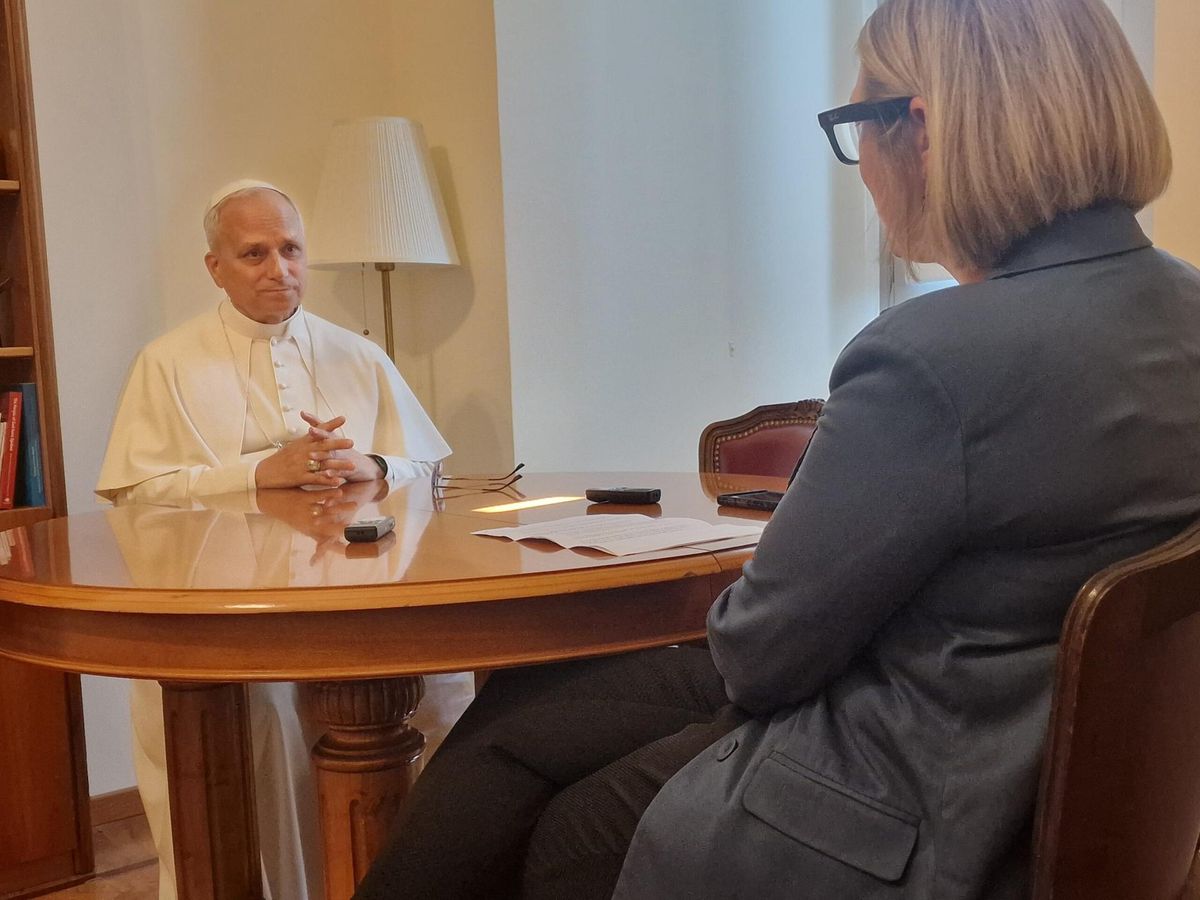
Given his multifaceted ancestry, Leo may be the quintessential example of the American story he described this month to Llamas. That theme, and its corollary of respect for immigrants, has been an overarching focus of his still-nascent papacy, both because of political conditions in the United States and those in Africa, the Middle East, and Europe.
Leo’s advocacy has repeatedly drawn the ire of the Republican-led U.S. government, which likely contributed to the pope’s decision to decline an invite for an in-person visit to America during the nation’s celebration of its 250th anniversary.
His closing comments in the interview this week with Llamas, however, indicates that rumors of a potential visit in 2027 are not out of the question.
“They will see me there.” Leo said, without specifying a timeframe outside of the “next couple of years.”
“Nothing is set in stone yet, but I certainly hope to be there soon.”
Nate Tinner-Williams is co-founder and editor of Black Catholic Messenger.