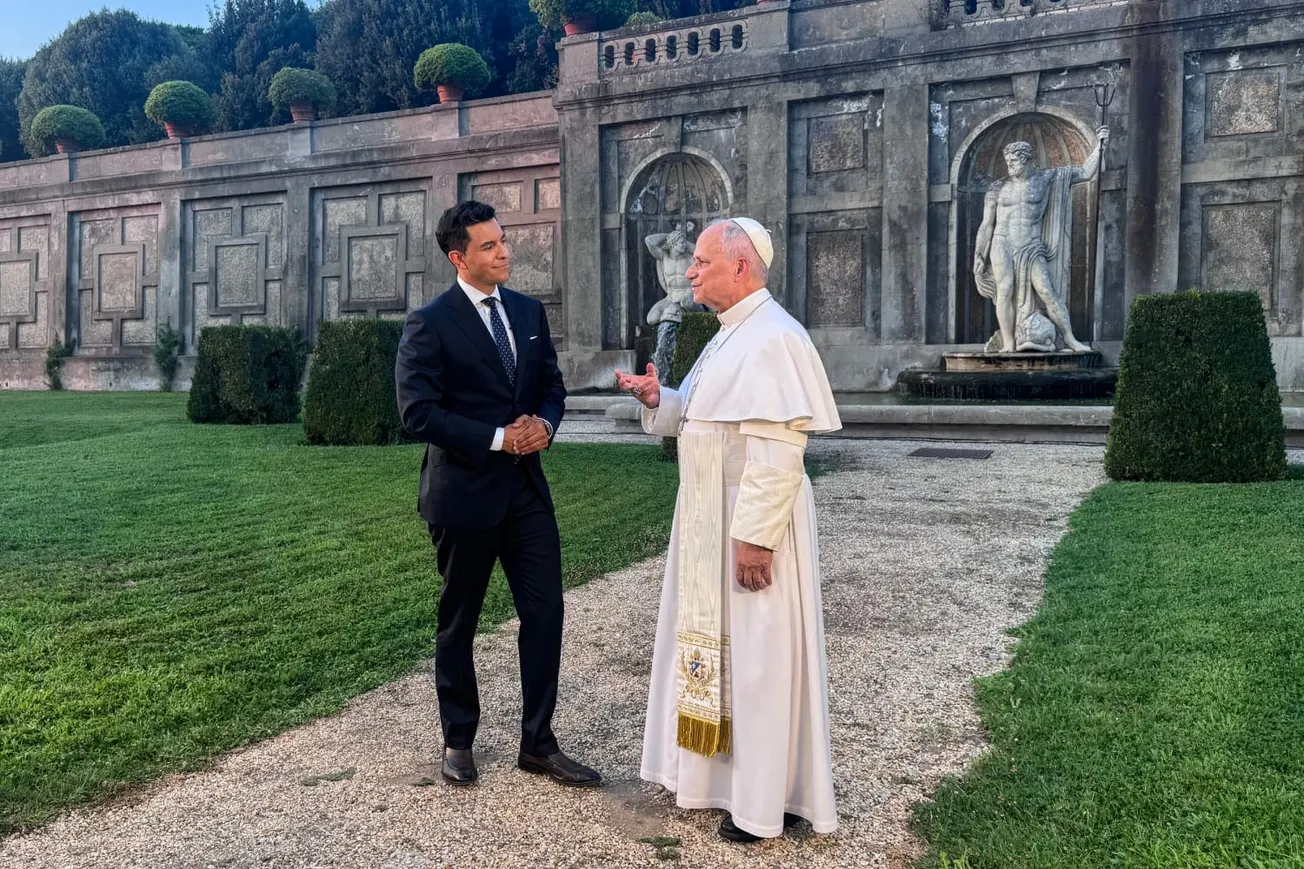
'Slaves and slave owners': Pope Leo XIV speaks on his genealogy in new interview
The pontiff more fully acknowledged his family history in response to a question about his connection to the U.S. as the first American Pope.
The pontiff more fully acknowledged his family history in response to a question about his connection to the U.S. as the first American Pope.
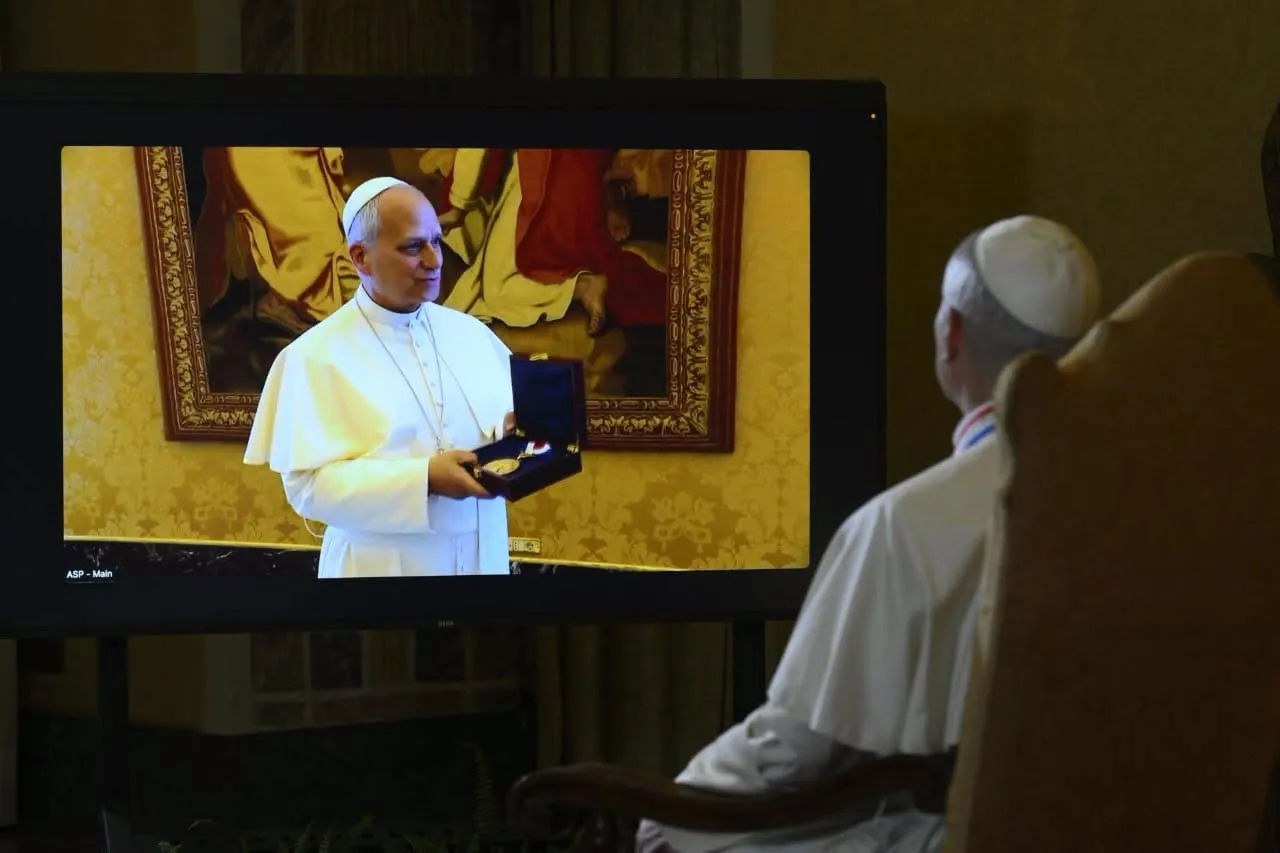
Briana Jansky opines on the implications of AI development, and whether the pursuit of a superintelligence comes at the cost of human fraternity.
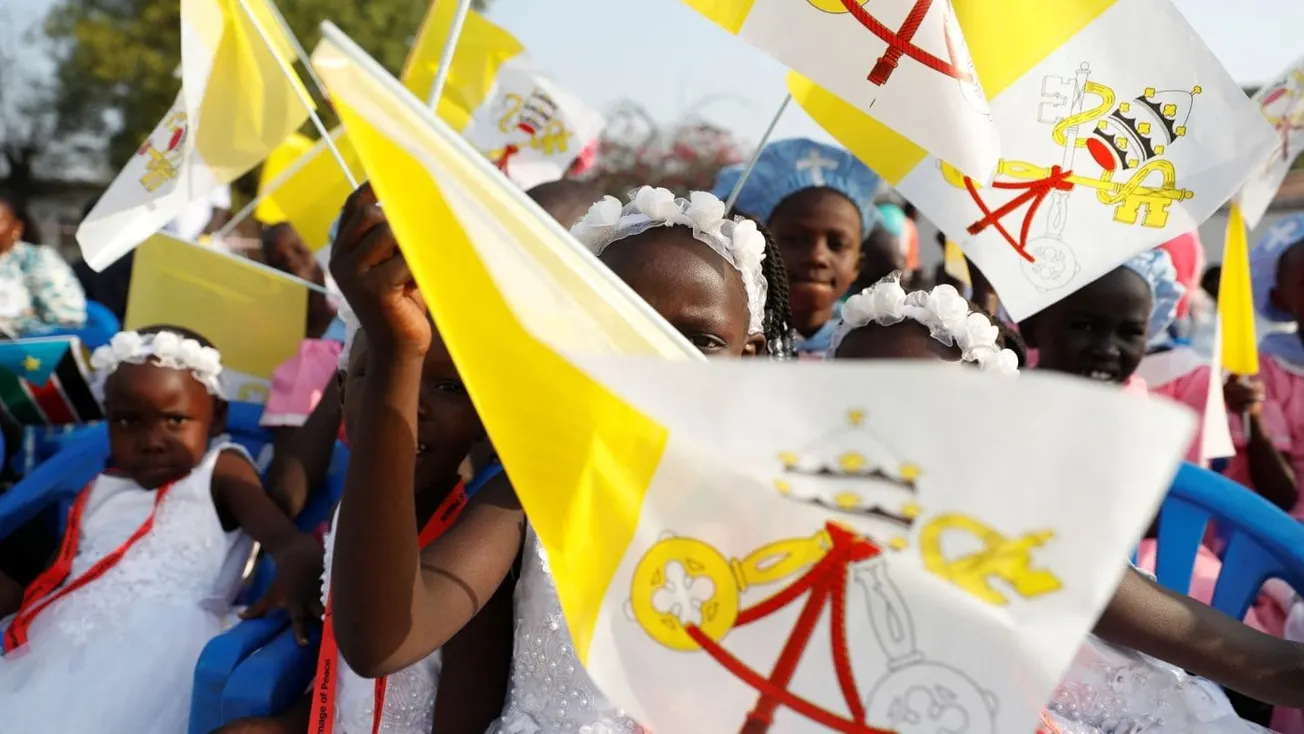
Daryl Grigsby on five central themes from Pope Leo XIV's first encyclical, "Magnifica Humanitas", connecting them to the Black Catholic experience.
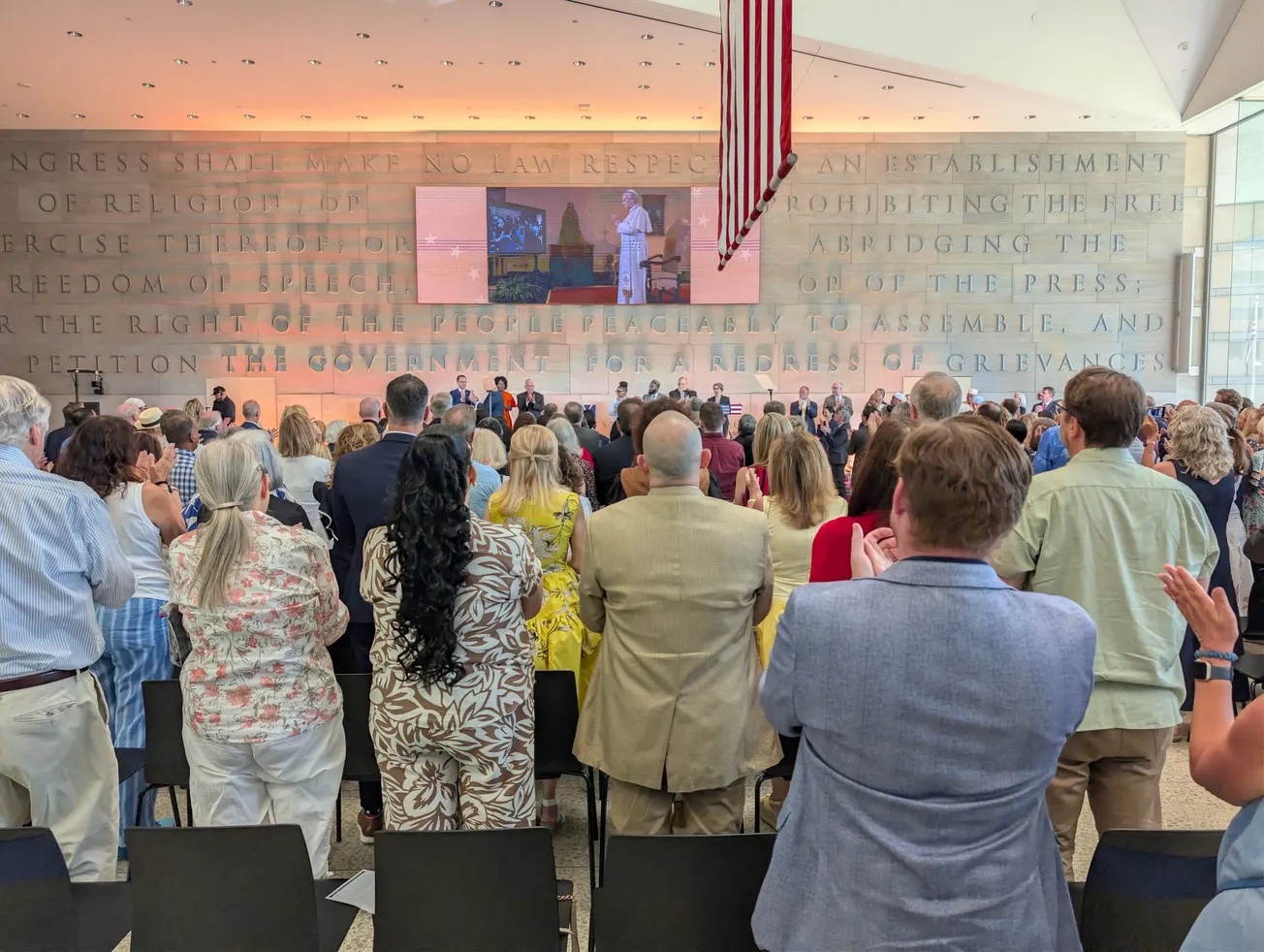
The Holy Father delivered a live address to the nation on Friday, while also releasing a public letter on July 4 in honor of Independence Day.
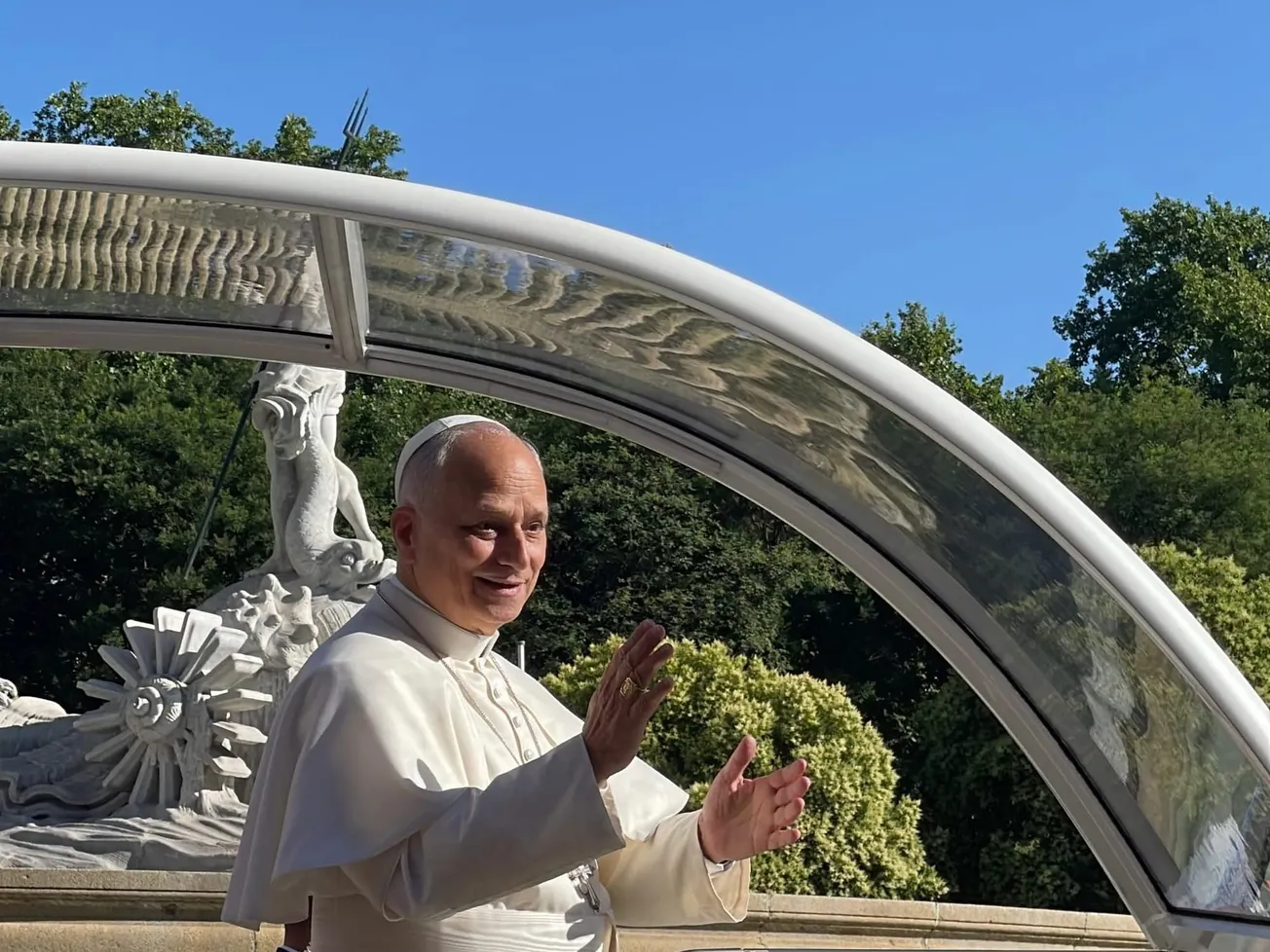
Tamika Royes unpacks Pope Leo XIV's first encyclical, specifically its shocking apology for the sins of the Vatican in supporting the slave trade.

The lengthy new document covers the nature of emerging technology, its effects on respect for human dignity, and the risk of modern bondage.
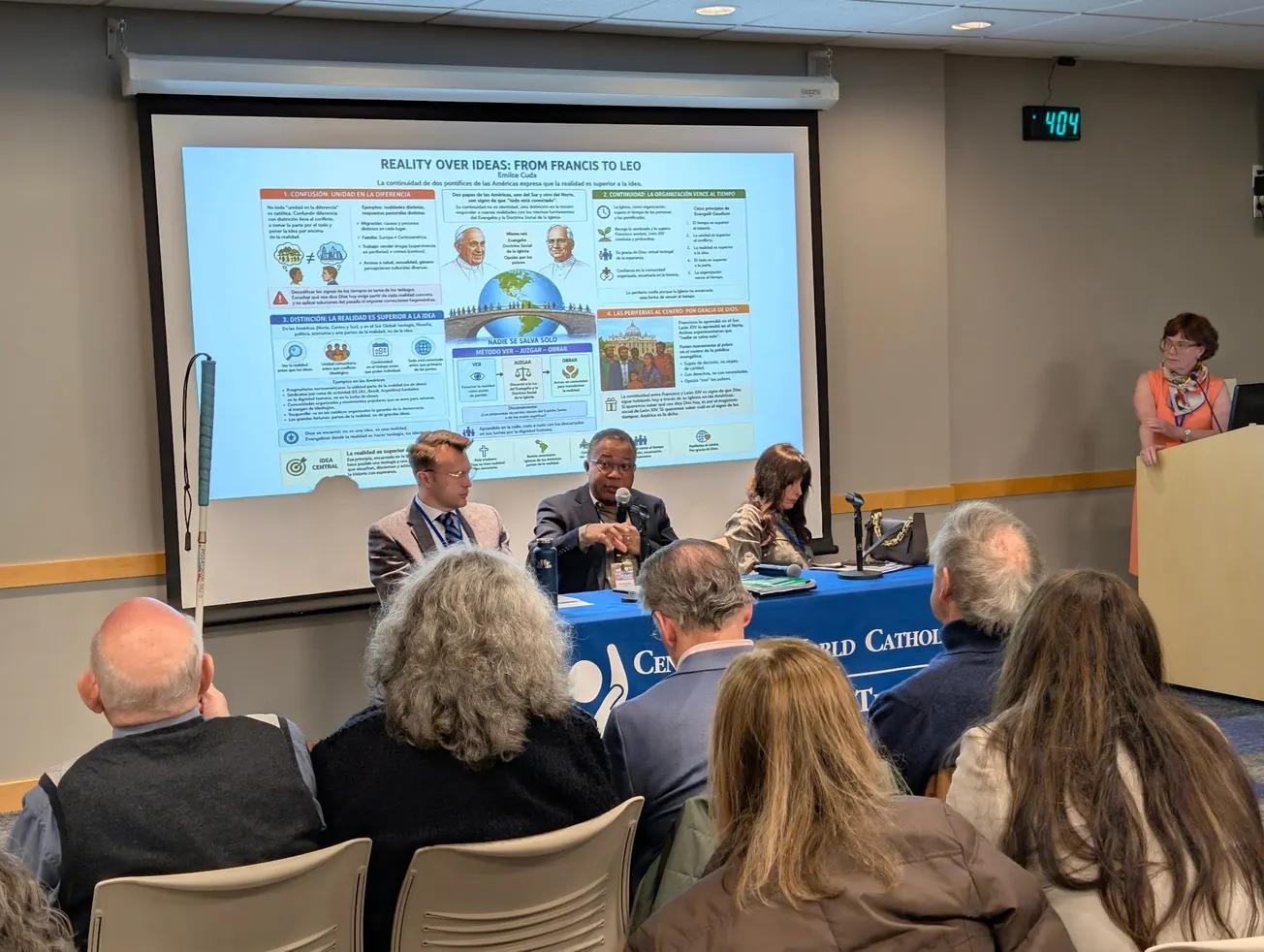
Scholars and journalists spoke at the two-day event on the American pontiff, his roots and experiences in the global Church, and his current voice.
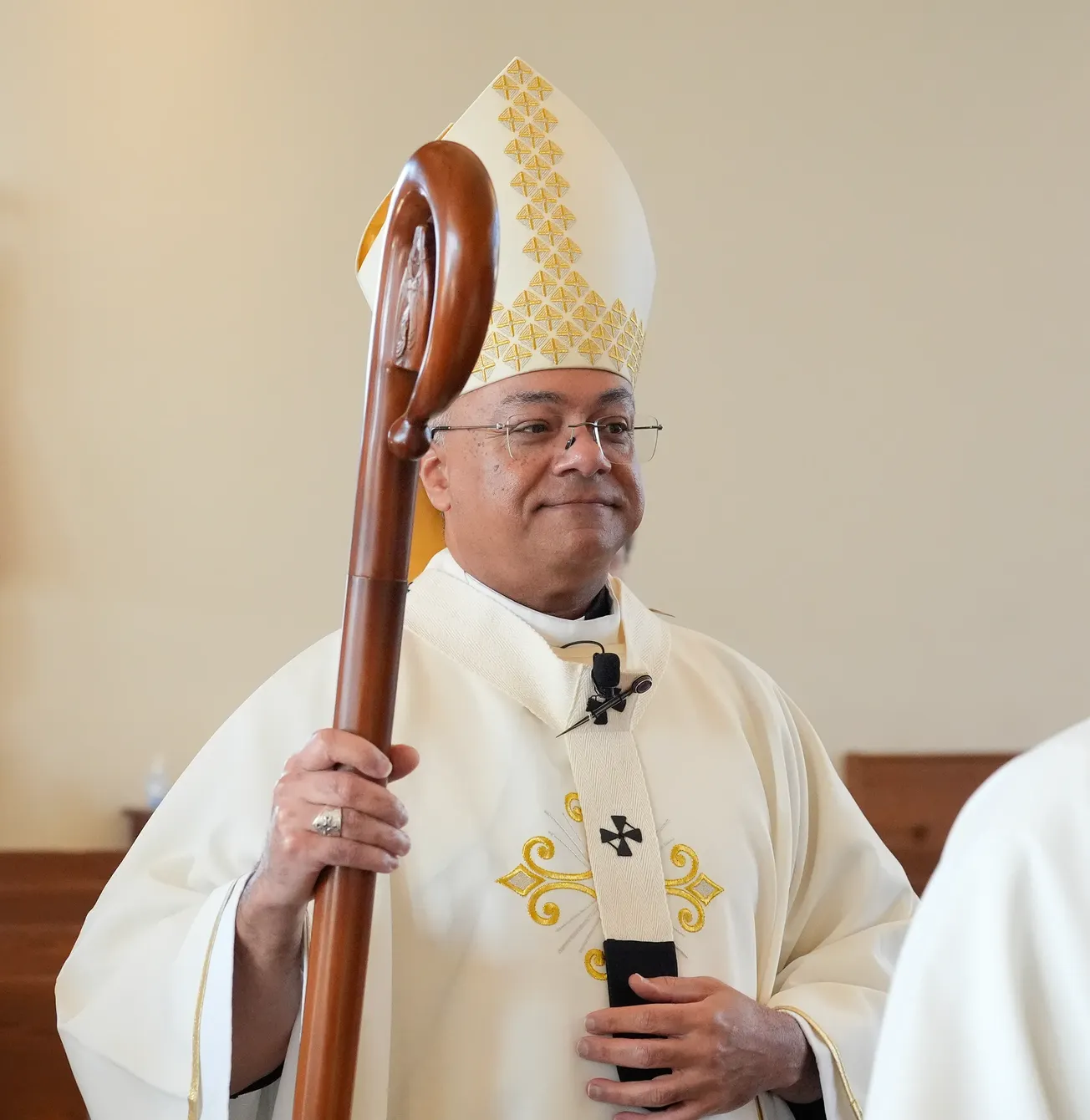
Archbishop Shelton Fabre is among the numerous Catholic prelates speaking out in the wake of anti-Catholic comments from President Donald Trump.
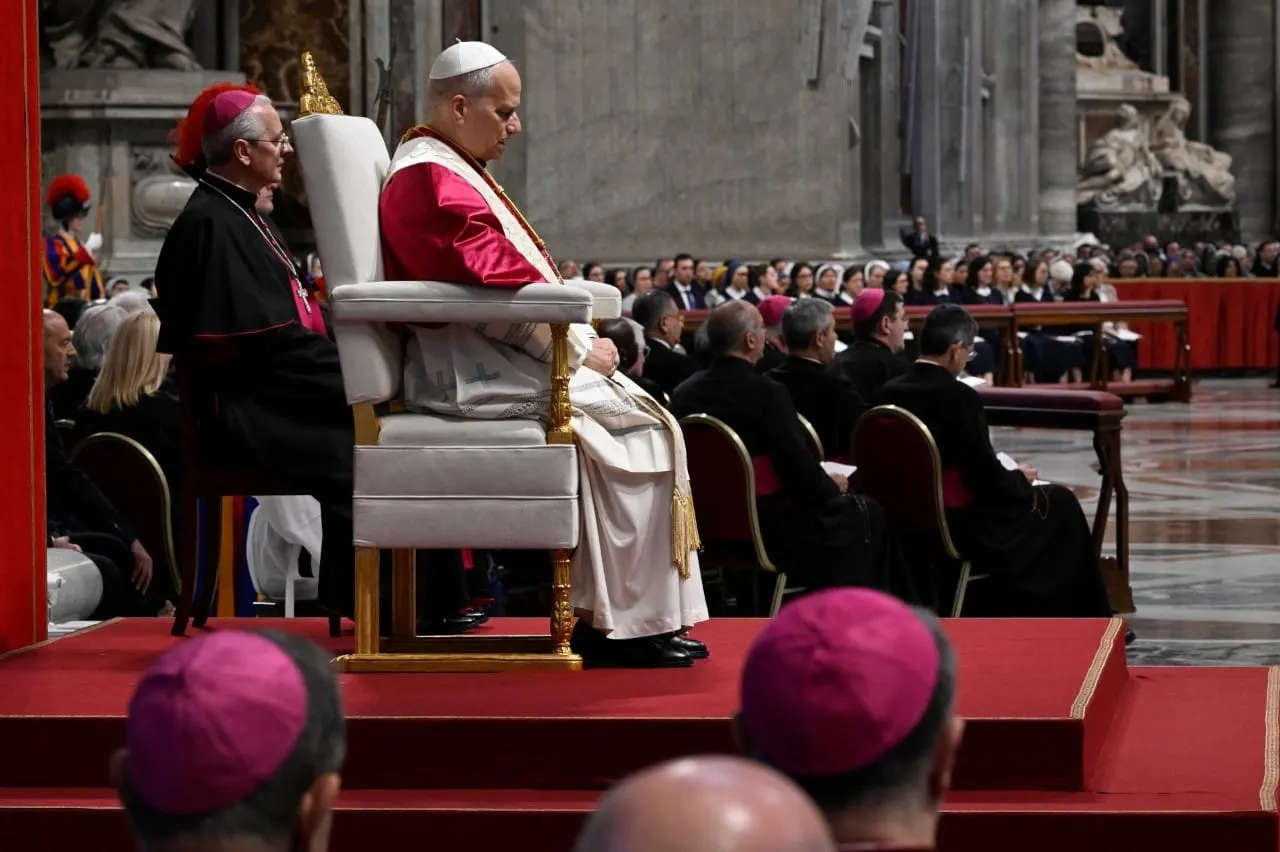
The American pontiff held the livestreamed service in response to various global conflicts, heading off weeks of intensifying anti-war messages.

The 34-year-old historian and genealogist used his expertise on Louisiana Creoles to quickly uncover the ancestry of the first American pontiff.
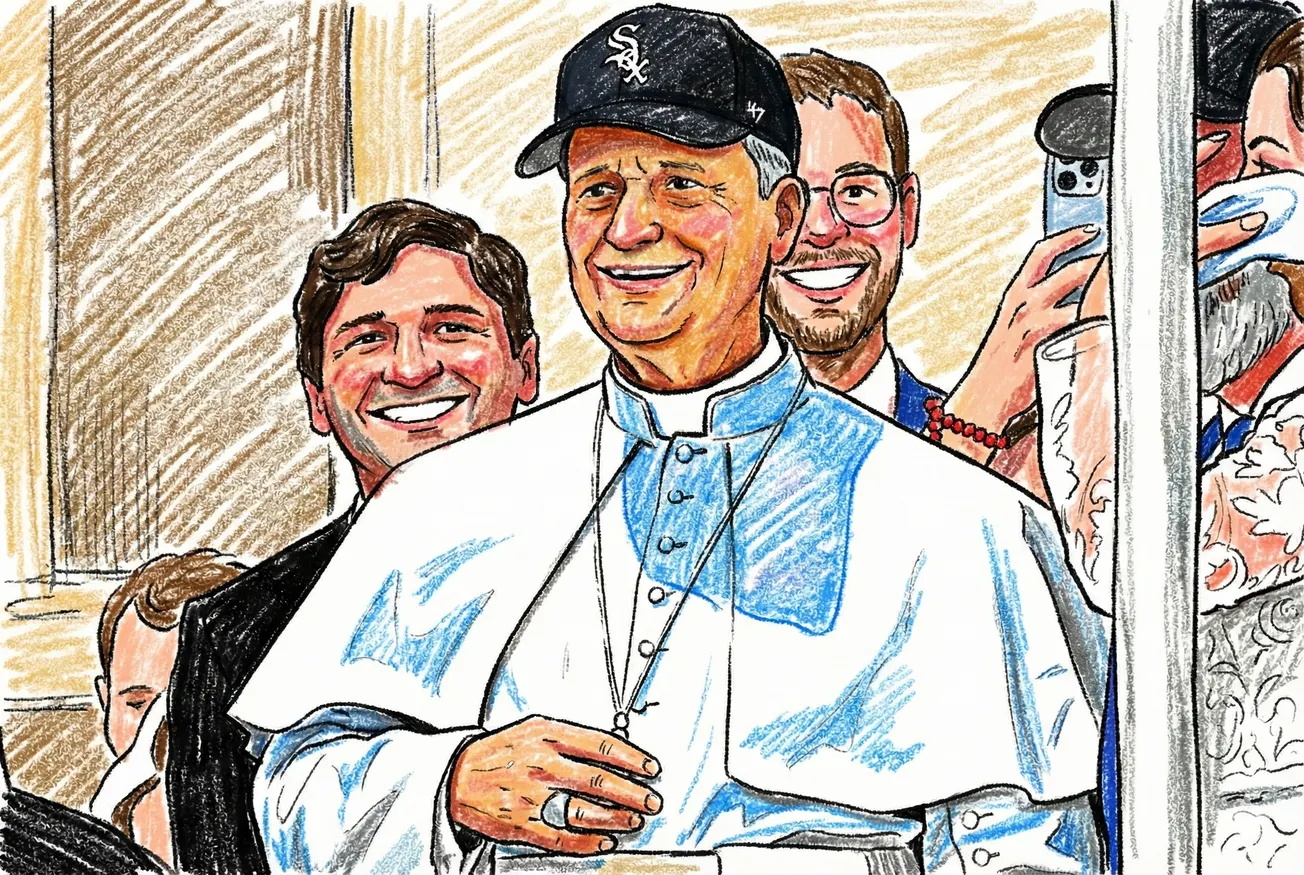
The 70-year-old pope is the first to be named to the prestigious fashion list, partly an ode to his return to certain papal vestment traditions.

The brick home near Chicago's South Side has been a site of intrigue since the conclave and will soon be a publicly accessible historic site.
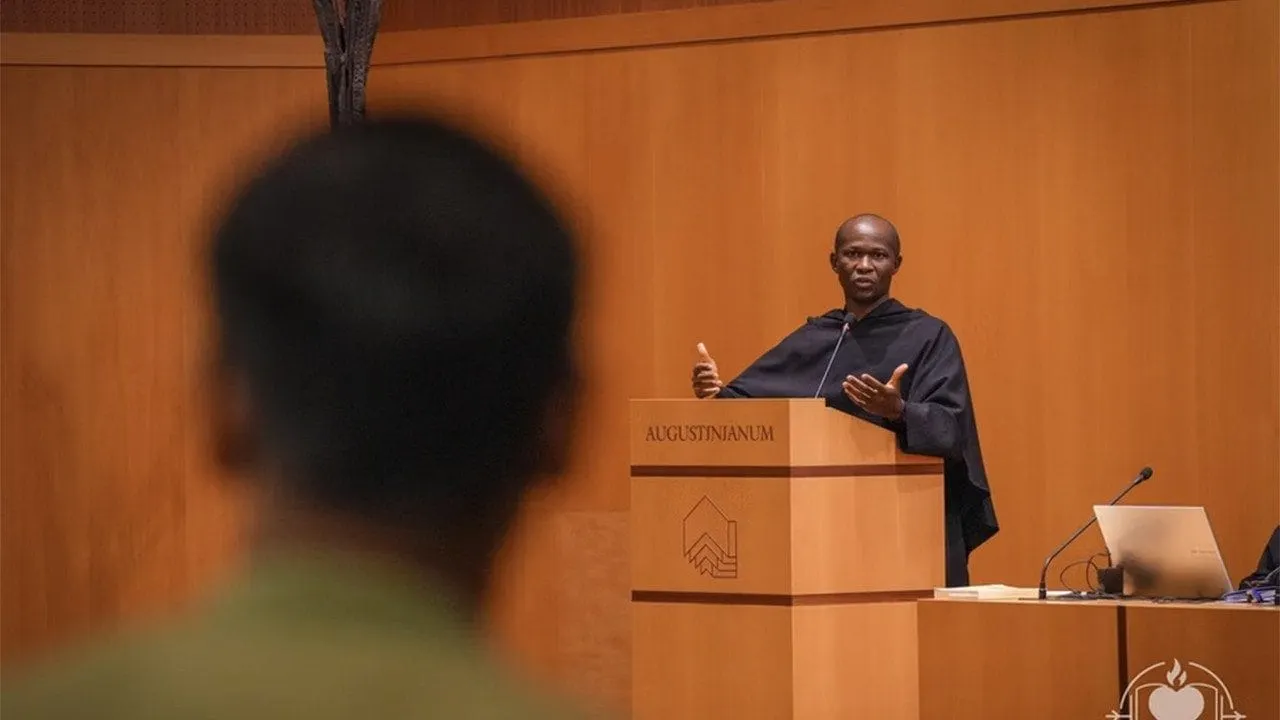
The Augustinian priest Edward Daleng is a longtime friend of the pope and fills a newly created position in the office organizing papal activities.
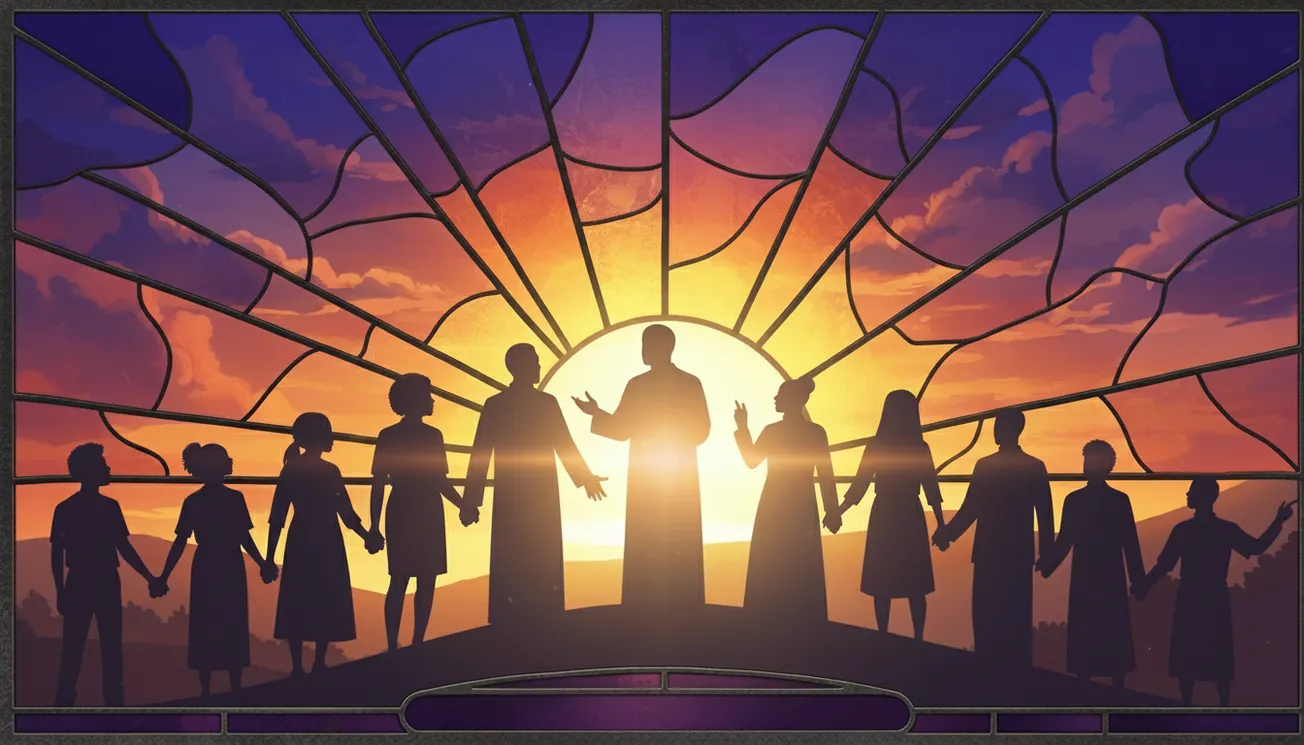
Daryl Grigsby on the enduring call for a listening—and working—Church, echoing from the final document out of the most recent Synod of Bishops.
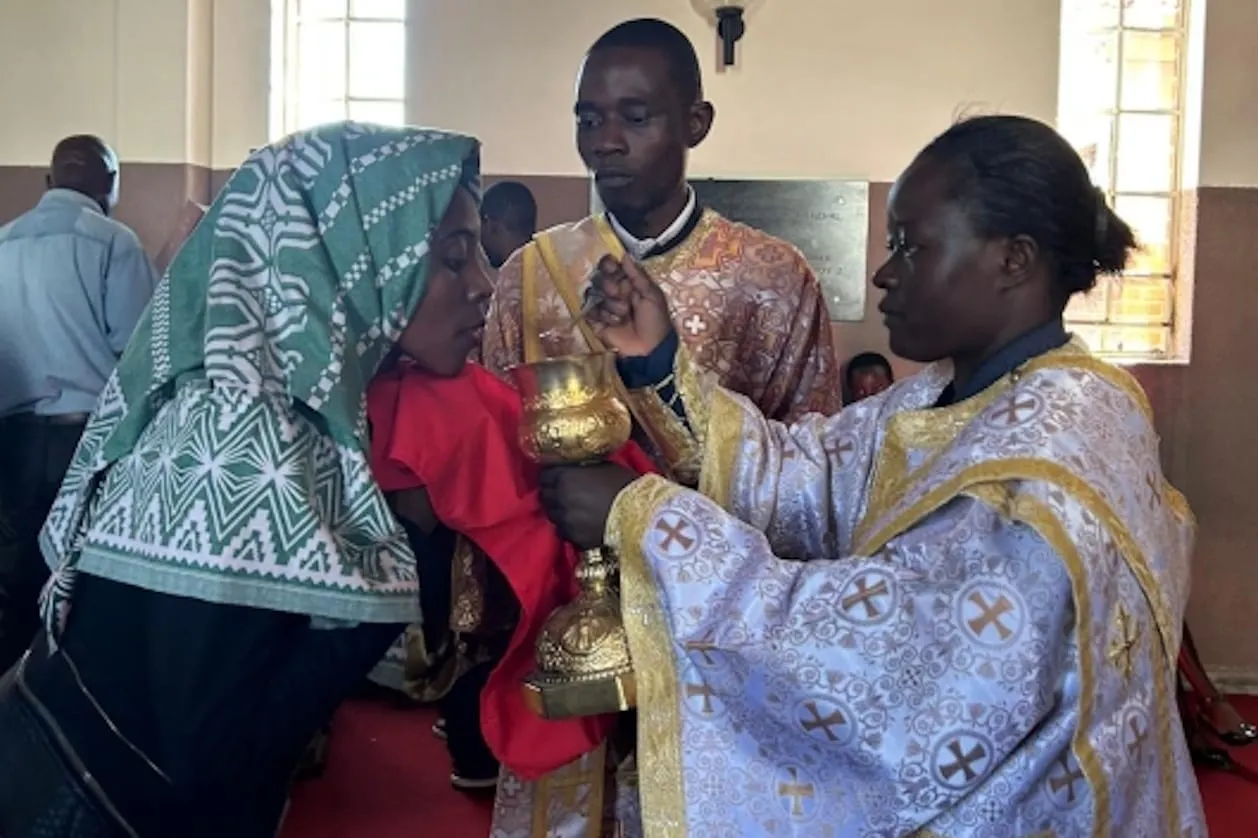
Daryl Grigsby on the burning need for ordained female ministry to honor Christian tradition and enliven a stagnant, monolithic permanent diaconate.
Nate Tinner-Williams on a film uncovering the scourge of abuse against women religious—centering on the high-profile Jesuit artist Marko Rupnik.