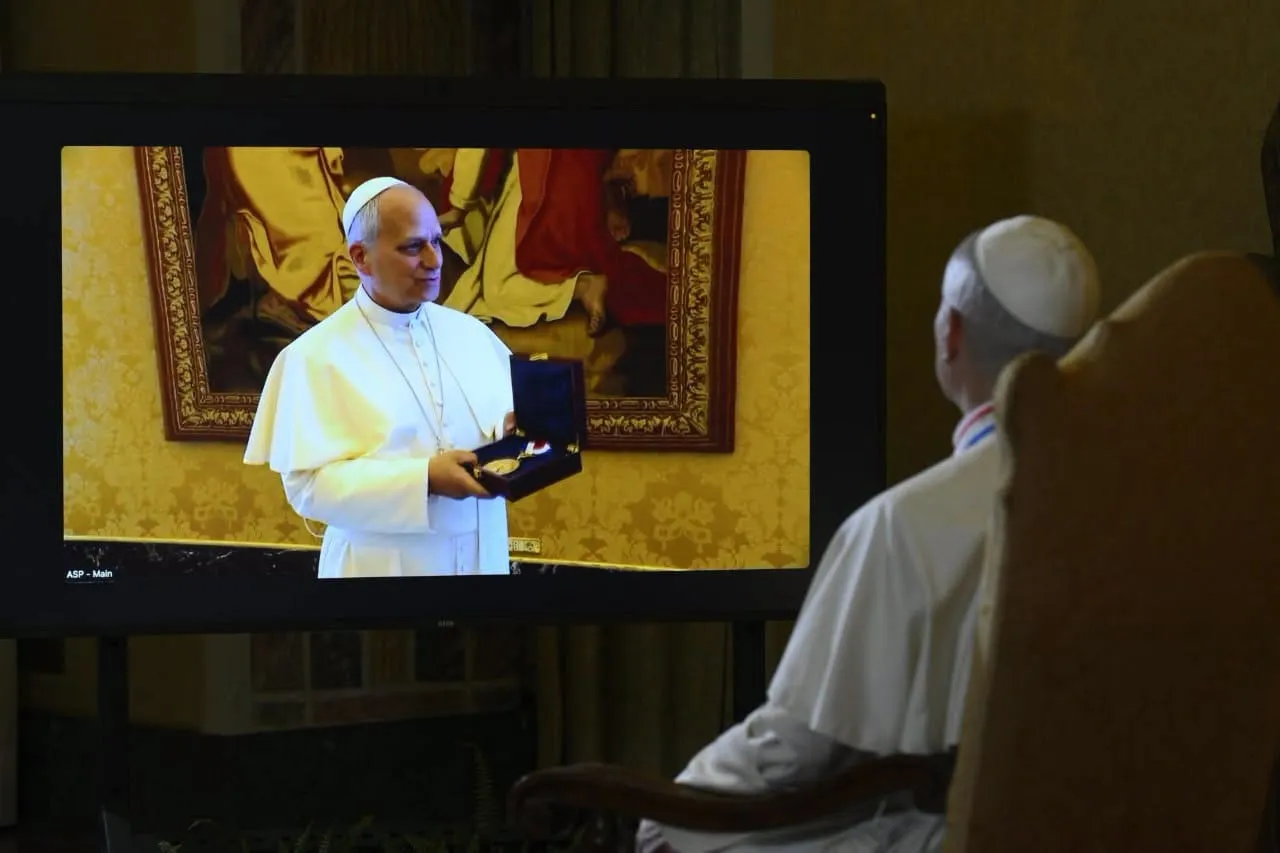
I believe that much good can be drawn from greater attention to the documents of Vatican II. Born out of over four years of prayer and dialogue by over 2500 bishops from around the world, the documents provide guidance for the Church’s mission. In fact, this past May Pope Leo described Vatican II as the church’s "North Star," a guidepost to proclaiming Christ and promoting justice, peace and human dignity in our world.
Vatican II consists of four Constitutions: "Gaudium et Spes" (the Pastoral Constitution on the Church in the Modern World), "Lumen Gentium" (Dogmatic Constitution on the Church), "Dei Verbum" (Dogmatic Constitution on Revelation) and "Sacrosanctum Concilium" (the Constitution on the Sacred Liturgy). "Gaudium et Spes" is particularly relevant, as it clarifies our work and presence in the modern world. The introduction outlines a fundamental teaching, noting, "in every age, the church carries the responsibility of reading the signs of the times and of interpreting them in the light of the Gospel (4)."
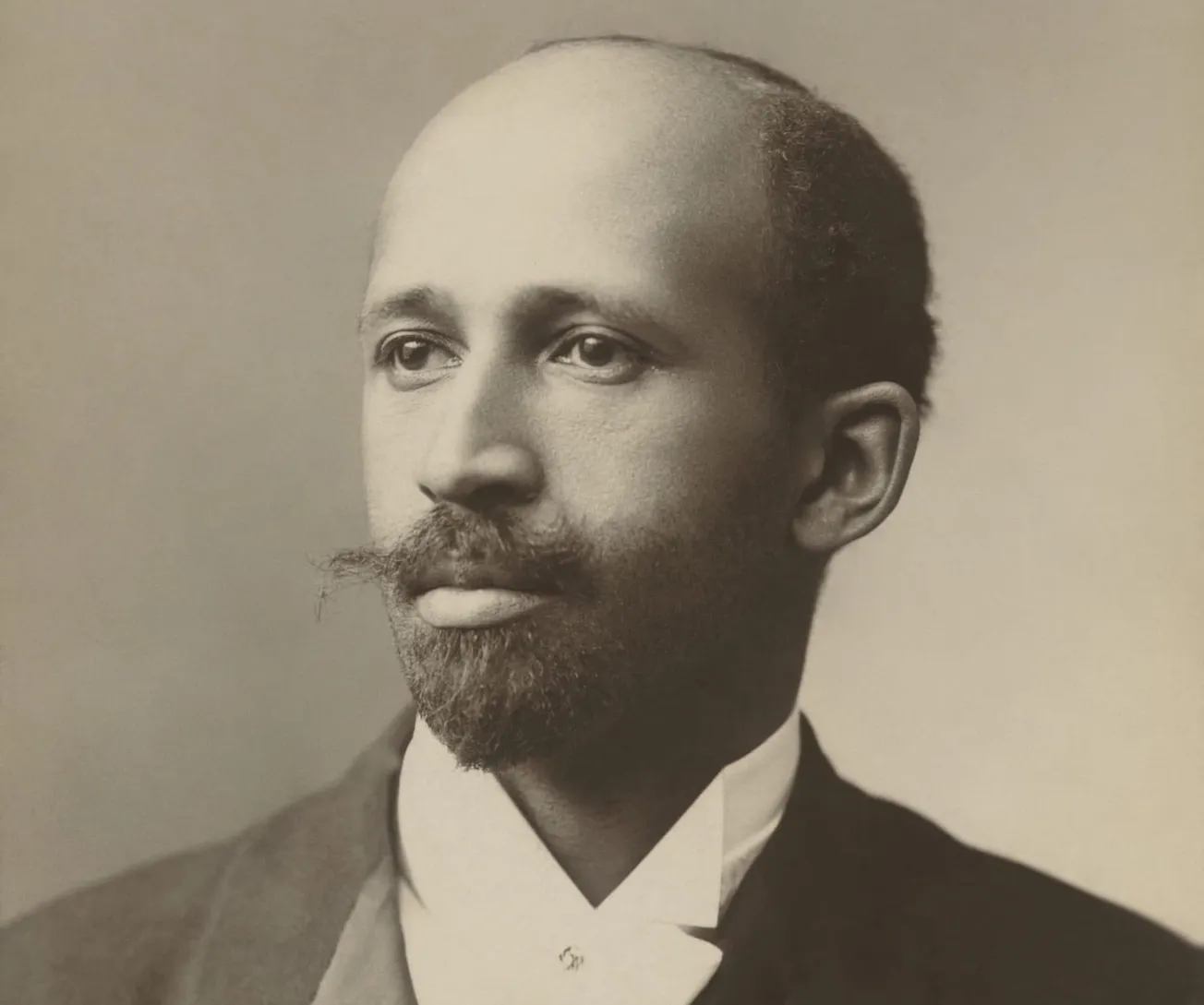
However, to interpret the signs of the times properly, one must also study history, which often provides important context for today’s reality and enables a more thorough understanding. In particular, I believe W.E.B. DuBois’ classic, Black Reconstruction: An Essay Toward a History of the Part which Black Folk Played in the Attempt to Reconstruct Democracy in America, 1860-1880, can be useful to the Church today as we discern how to respond to challenges our Black brothers and sisters continue to face. Written in 1935, Black Reconstruction is a scholarly account of slavery, the Civil War, Black Reconstruction, and its violent overthrow. Altogether, the book exposes a historical pattern of tactics employed to oppress and control the Black community–many of which remain today. Thus, despite being written in 1935, the book remains relevant, offering four insights from the past that help us better read ‘the signs of the times’ and respond in light of the Gospel.
First, he documents the historical, fundamental and embedded element of racism in American life. Deep in the psyche, culture and history of our country, both North and South, is a profound and abiding racism that persists even today. Currently, humans with brown skin and accents are stopped, handcuffed, hauled away and deported – often without probable cause, leaving only their complexion and their accent to blame. Our nation did not just suddenly discover this level of racism; it has been with us since the founding. In the Chapter "Looking Forward," DuBois recounts in detail the laws and policies that criminalized former slaves for not being employed, 'loitering,' learning, not carrying a pass and other acts. The level of detail in these Black Codes was astonishing in that, through the codes, white Americans were able to create an entire system by which blacks could be re-enslaved, for the penalty for many of these acts was consignment to a 'master’ or a penal colony. Throughout the book are speeches, articles, sermons, laws, and policies which are mirrors of the depth of our nation’s racial intolerance.
A second theme of his book is the way in which poor whites in the South were convinced to fight in a war supporting a system undermining their own material interests. DuBois notes that 7% of Southern planters owned 3 million of the South’s 3.9 million slaves, and that the majority of Southern whites were not slave owners. Yet, Southern white men volunteered to fight in a war to support a system that undermined their interests. DuBois points out that jobs that could have gone to white workers were done by black people who received no salary, depressing the entire economic system of the South. This resonates today, where, it seems to me, white Americans of middle and lower classes support a President who promotes economic policies that undermine their well-being. The London School of Economics has documented that cuts to Medicaid, the Supplemental Nutrition Assistance Program, FEMA assistance, and tariff implementation have eroded family stability and the social safety net for many white Americans. Further, many believe that the cuts to the Department of Education and environmental, banking, and consumer protection regulations also harm all families regardless of race.
A third and important theme is reflected in the subtitle, "a History of the Part Black Folk Played." In Chapter Six, He reminds us that the North won the Civil War due to the "General Strike," when enslaved people undermined the Southern economy by their mass defections as Union soldiers arrived. It was these defections and the presence of about 180,000 black soldiers in the Union army that moved President Abraham Lincoln to expand his view of black humanity, citizenship, and freedom, according to DuBois in Chapter 5.
Finally, he documents the progressive social legislation promoted by black elected officials during the brief period African Americans could vote during the era of Reconstruction. In Chapter 10, "Black Proletariat in South Carolina," and Chapter 15, "Founding the Public School," Du Bois details the social safety net and public school system black legislators created to benefit both blacks and poor whites. He points out that poor whites benefitted more from Black Reconstruction than from the planter policies of the past. Foreshadowing today’s society, southern whites worked to undermine democracy and social benefits to support white political supremacy.
I believe this context is essential for Black Catholics and others as they observe the “signs of the times” today. However, this understanding should not lead to despair or isolation. Instead, it should lead us to courageously embrace the proclamation of the Gospel and the call for justice. Paragraph 11 of "Gaudium et Spes" reminds us that discerning events enables us to know "the full ideal which God has set for humanity, thus guiding the mind towards solutions that are fully human." Thus, in understanding the context of today’s world, illustrated in phenomenal works like Black Reconstruction by DuBois, alongside the Gospel message, we can more fully see how God desires for us to respond to the challenges of today’s world, enabling us to live up to our full calling as children of God. Paragraph 26 provides guidance and support for this mission, noting "The social order requires constant improvement; it must be founded in truth, built on justice, and enlivened by love." We are not alone in this work, for paragraph 32 confirms the foundation of our calling is "The Word Made Flesh", the One who made love the fullness of law, and whose solidarity with us created a "new communion of sisters and brothers."
"Gaudium et Spes" is aware of the troubles of our world, and yet, declares, "the church communicates its divine life to humanity…notably in the way it heals and elevates the dignity of the human person, in the way it consolidates society, and endows people’s daily activity with a deeper sense and meaning (40)." Discerning the signs of the times is not an end, but the means by which we proclaim the Good News of our liberation and salvation.
Daryl Grigsby is founder of a Black Catholic men’s gathering, is on the Board of Directors of Leadership Foundations, and is author of “Catholics For the Common Good: An Eternal Offering.”