In a previous reflection, I named a truth we can no longer ignore: The Golden Rule is not optional. It is a command of Jesus—a way of life that calls us beyond words into witness. But if that is true, then we must also ask a more difficult question: What happens when we do not live it?
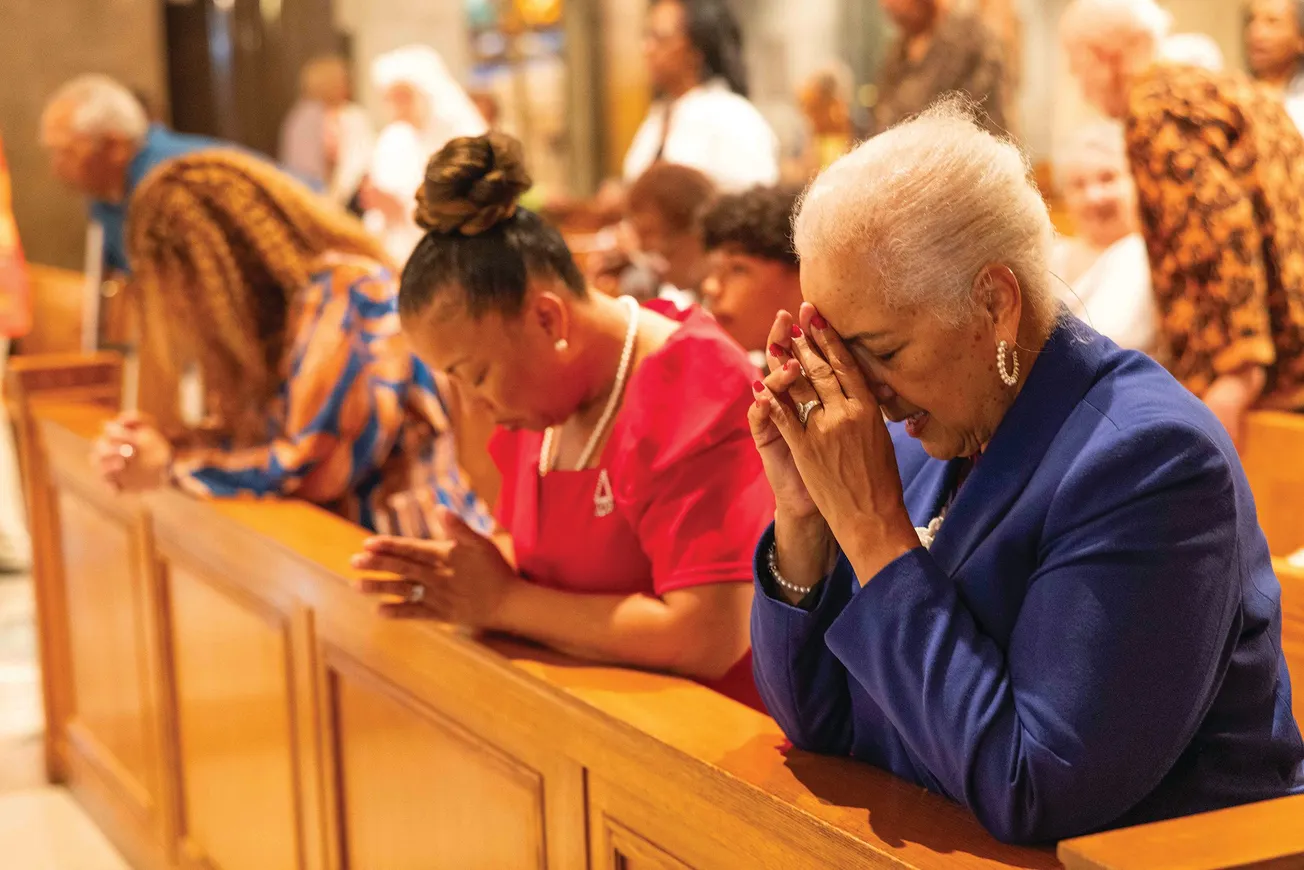
The answer is not abstract. It is visible all around us. We see it in empty pews. We hear it in the testimonies of those who have quietly walked away. We feel it in the silence of those who remain but no longer engage. This is not simply a participation issue. It is a crisis of belonging.
The absence of the Golden Rule does not always appear as rejection. More often, it reveals itself through subtle patterns of exclusion. It is felt when culture is tolerated but not embraced, when voices are heard but not valued, and when presence is allowed but belonging is not fully extended.
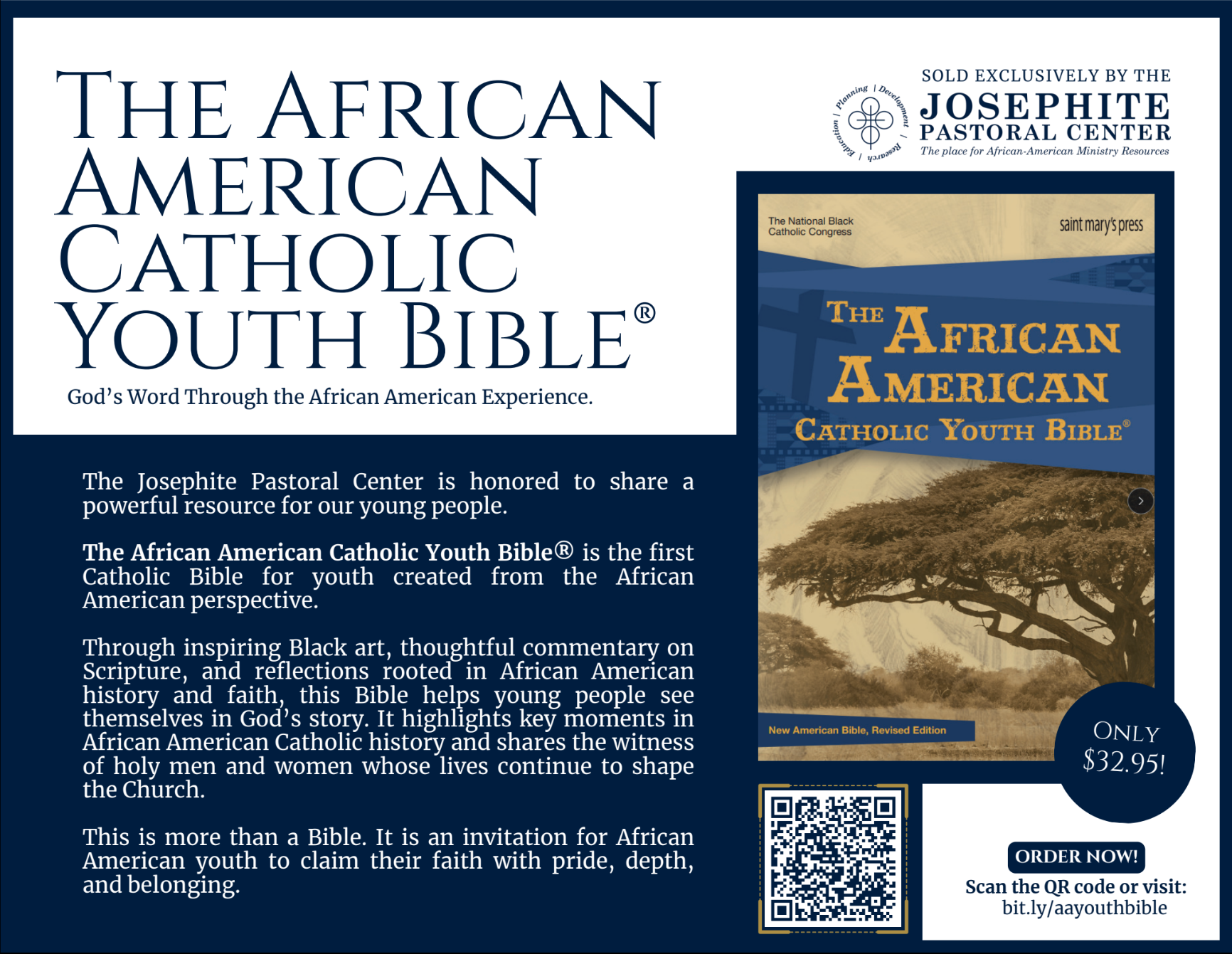
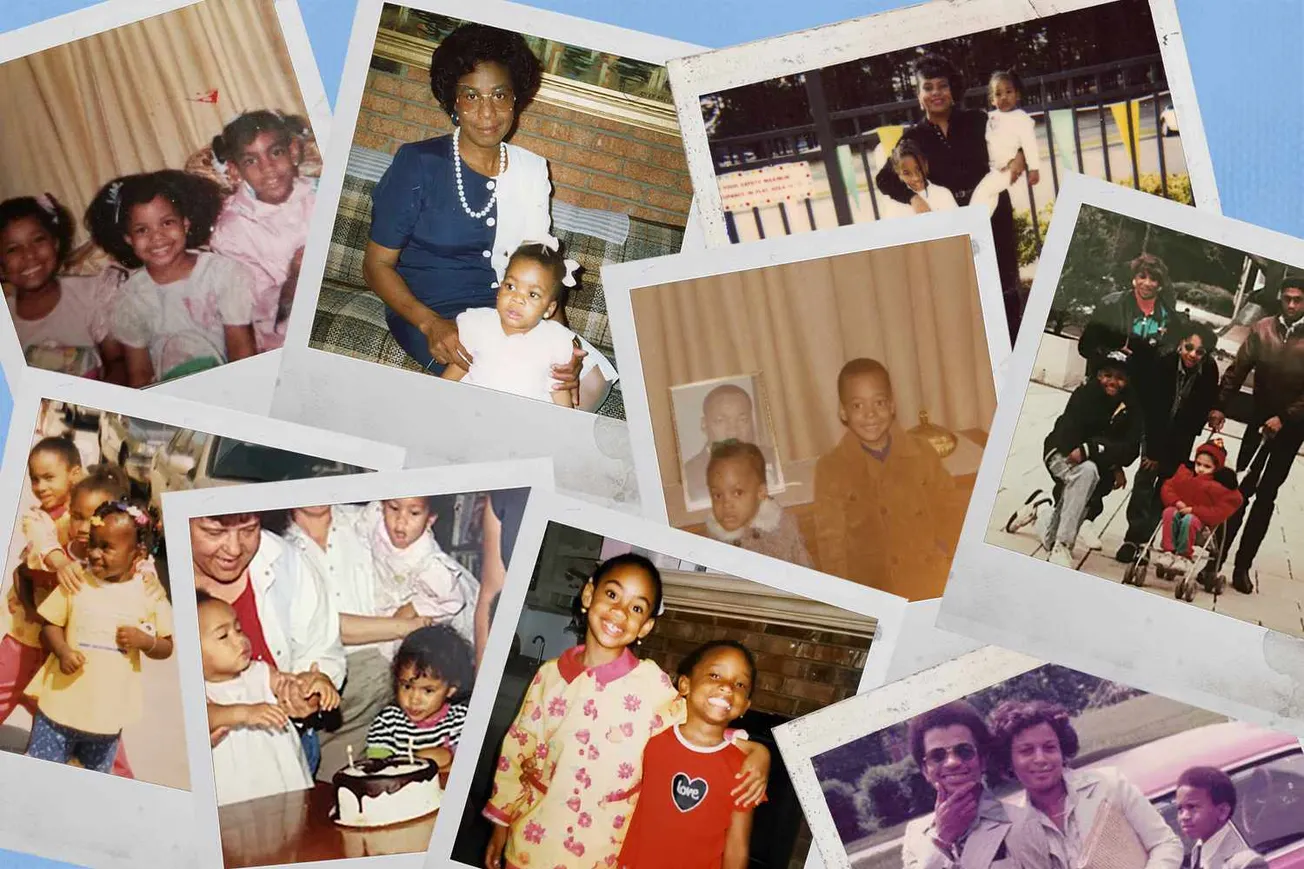
For many Black Catholics, this reality is deeply familiar. To love the Church and yet feel the need to adjust in order to fit in is a tension that cannot be dismissed. It is lived. And over time, that tension becomes fatigue—not a loss of faith, but a loss of connection.
We often ask why people are leaving the Church, especially young people. The answers we offer tend to focus on secularization, culture, or generational change. But we must be honest: Many are not leaving because they no longer believe. They are leaving because they no longer feel seen. They are leaving because the Church they encounter does not always reflect the dignity it proclaims.
The Golden Rule exposes this disconnect. It reveals the gap between what we teach and how we live.
Belonging Is not optional either
If the Golden Rule is essential, then so is belonging, because belonging is the fruit of living the Golden Rule. From the beginning, we were created in the image and likeness of God (Genesis 1:27). In Christ, we are called into communion—into a Body where every member matters.
St. Paul reminds us that when one part suffers, the entire Body suffers (1 Corinthians 12:26). This is not symbolic language. It is a theological reality. When people experience exclusion in the Church, the Church itself is diminished.
We often speak of inclusion as a goal. But inclusion is only the beginning. Inclusion says: “You may enter.” Belonging says: “You are part of this.” The difference matters, because a Church that includes but does not transform will continue to lose those it claims to welcome.
 Dr. Antoinette Reaves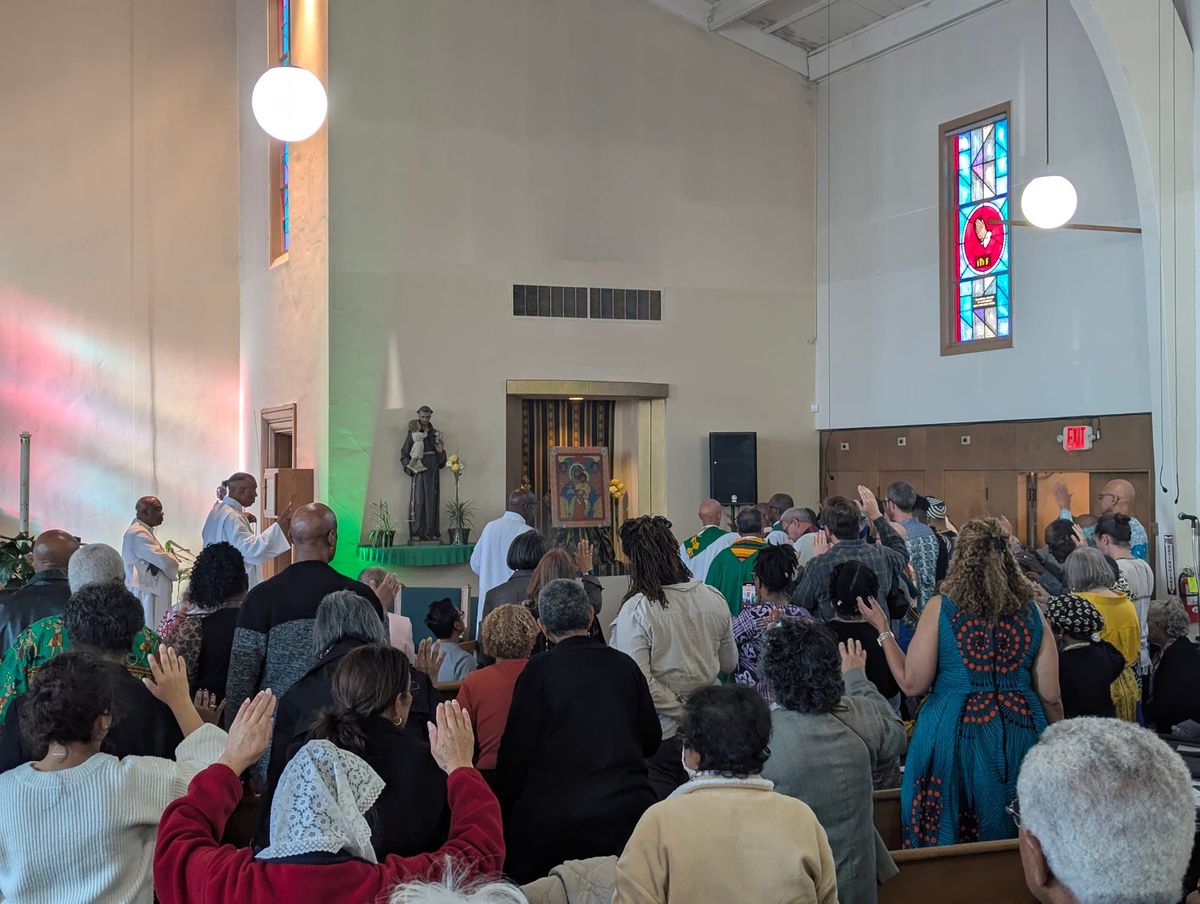
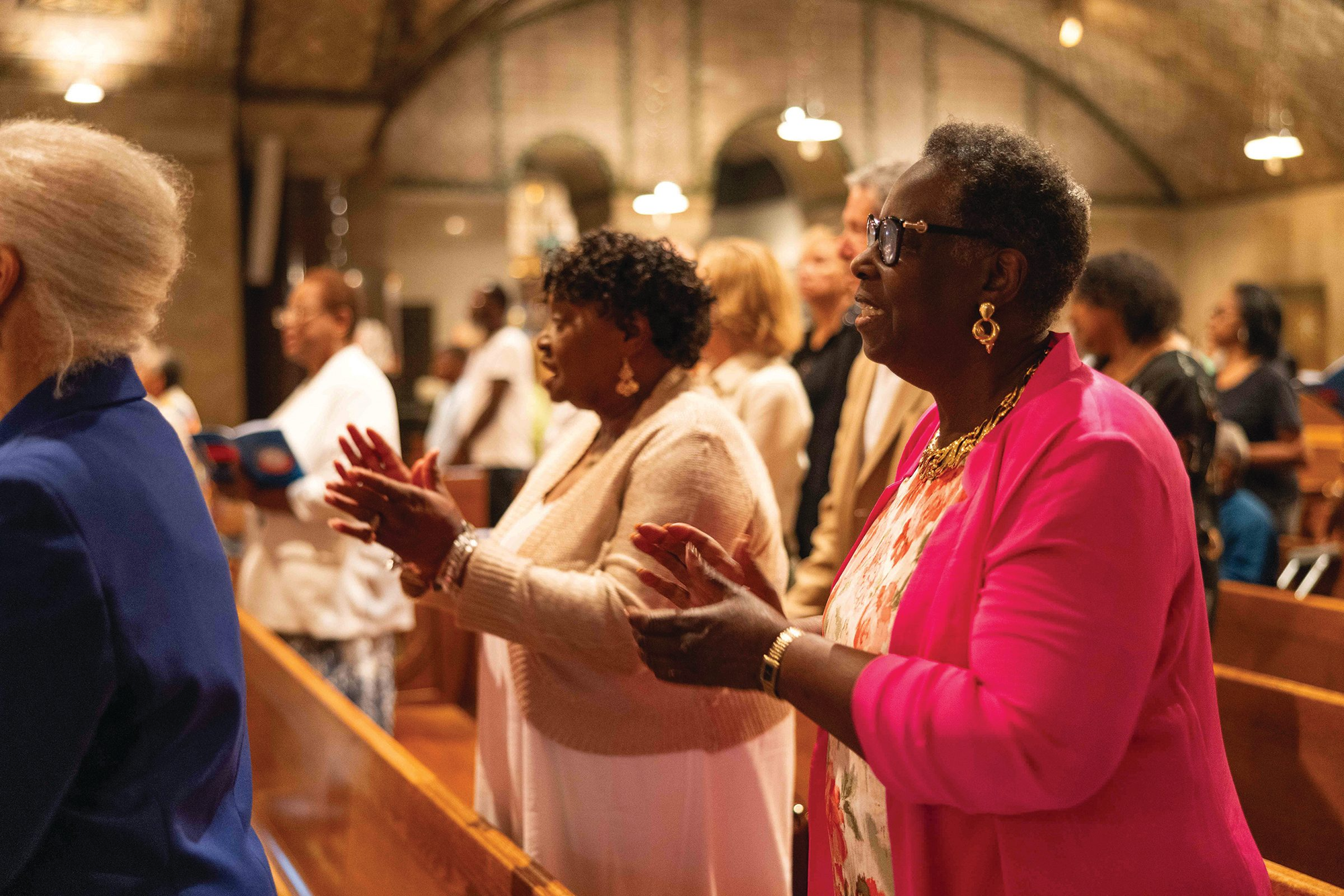
Black Catholic spirituality offers a powerful witness in this moment. It is a faith that has endured exclusion yet remained rooted—a faith expressed through movement, music, and communal prayer; a faith that refuses to separate joy from struggle. This is not simply cultural expression. It is theological witness. It is what it looks like when the Golden Rule is lived—not in theory, but in practice.
If we are serious about renewal, then we must move beyond asking how to bring people back. We must ask: What kind of Church are we inviting them back to? The Golden Rule demands more than hospitality. It demands accountability. It calls us to examine how we welcome, how we listen, how we lead, and how we love. Because the crisis before us is not about numbers. It is about whether people can truly say: “I am not just here. I belong.”
To be truly Catholic is to be universal—not in theory, but in lived reality. And that means creating a Church where no one has to leave parts of themselves at the door in order to enter. The Golden Rule is not optional. Neither is belonging.
Antoinette M. Reaves, D. Min., is a Catholic theologian, author, and educator whose work bridges Catholic social teaching and lived experience, particularly within the Black Catholic community. With advanced degrees in theology, educational leadership, and the arts, she serves the Archdiocese of Philadelphia and speaks nationally on faith, justice and belonging.