I recently completed reading Pope Leo XIV’s encyclical, “Magnifica Humanitas” (English for “Magnificent Humanity”). There is much in this remarkable document that could benefit and bless all Catholics, all Christians, and indeed, all humanity. It is far more than a discussion of the promise and perils of artificial intelligence.
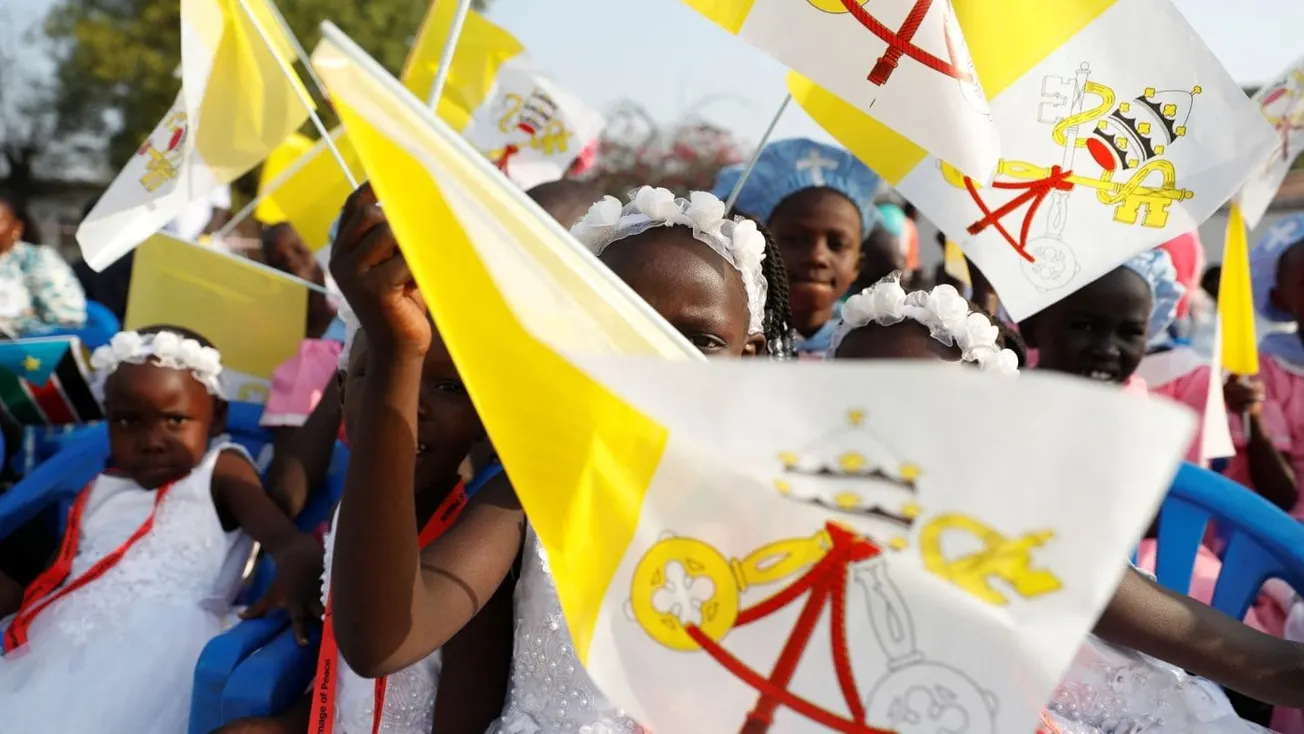
In the text, the pope summarizes the richness of Catholic social teaching documents, and highlights the themes of human dignity, the common good, the universal destination of goods, solidarity, and subsidiarity. He also discusses peace, truth, justice, and human development from a Catholic perspective. Of special interest to Black Catholics and many others, he even offers a profound apology for the Vatican’s historic role in legitimizing slavery.
 Nate Tinner-Williams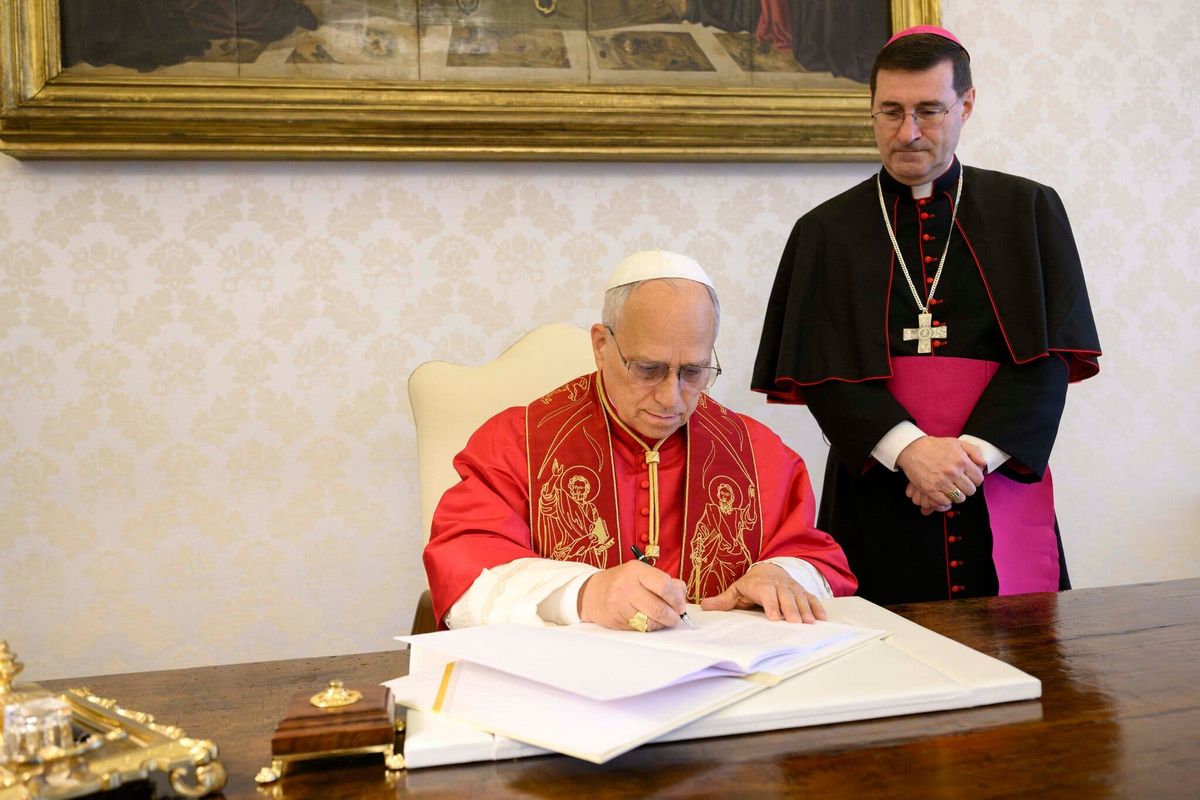
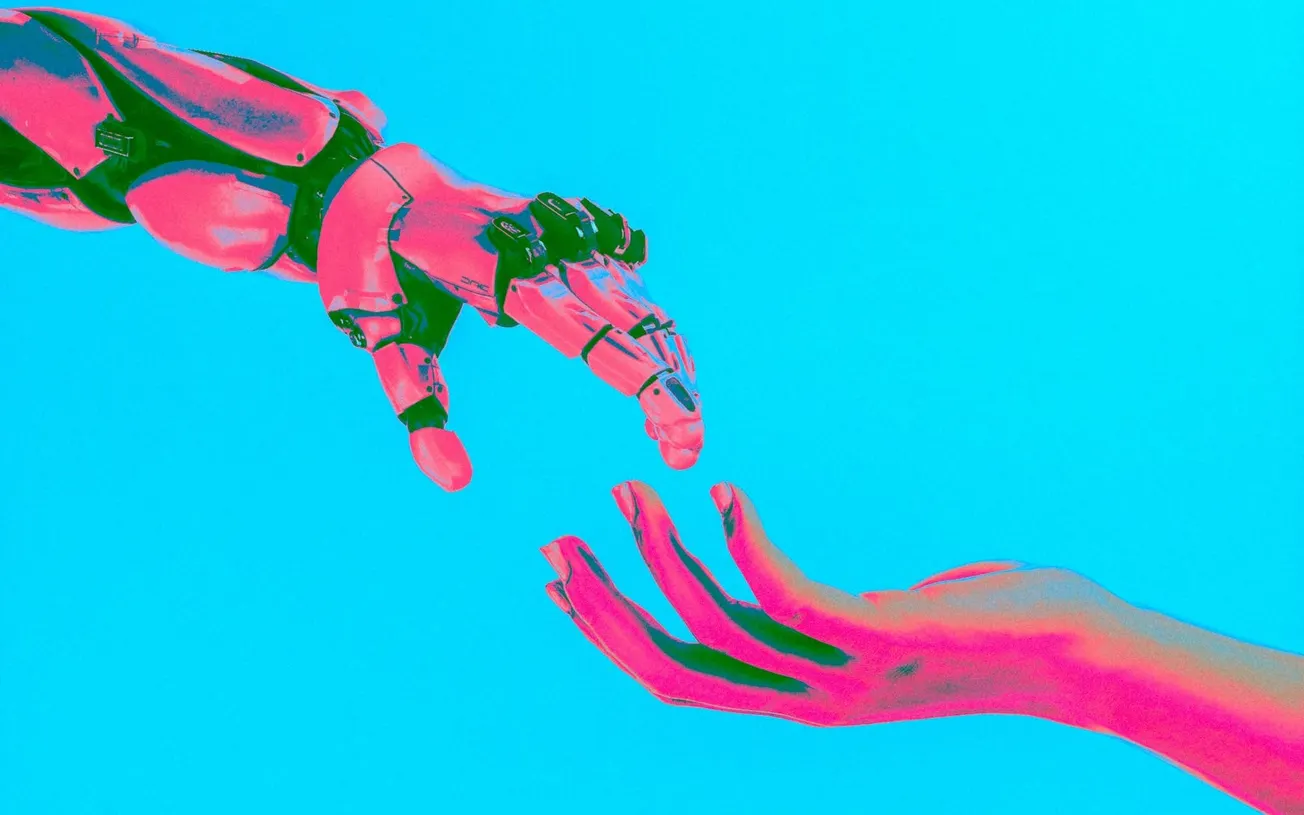
Pope Leo’s issue with AI is that it potentially separates decisions, information, and events from human responsibility, human-to-human interaction, and the engagement of the human heart in critical social issues. He does not ask that we avoid AI, but rather that we ensure it enhances the human family instead of dividing it, and that it does not widen the existing gap between the privileged and the excluded. The pope also dissects the role of technology (and potentially AI) in obstructing dialogue, creating conditions for war, and expanding destructive power. As in Leo’s first papal address and several times since, peace is a central theme of this encyclical.
In “Magnifica Humanitas,” the pope also outlines five tasks for people of faith and goodwill to pursue relative to AI in particular and life in general. He says, “I would like to propose five paths toward daily and public responsibility: the need to disarm words, building peace through justice, adopting the perspective of victims, cultivating a healthy realism and reviving dialogue and multilateralism.”. In reviewing these five paths, I was struck by how each resonates with the Black experience in America and with Black Catholic sensibilities.
Looking first at the “need to disarm words,” Black Americans are very familiar with the way words can harm, diminish and destroy. “Lazy,” “shiftless,” “criminal,” “gang member,” “suspicious,” “unqualified.” “Why are you here?” “Where are you going?” Of course, many other words and phrases have also historically degraded and dehumanized Black people. Consider also the destructive power of the “N-word.” Further, I”m convinced Black use of the word is a factor in Black-on-Black crime, as once a person is dehumanized, they need not exist.
The pope recognizes the power of words to lay the foundation for acts of indifference, exclusion, and violence. Imagine a world where disarmed language around race was the norm? Imagine conversations, press conferences, and speeches that spoke of dignified humans rather than “criminal immigrants,” “invading animals,” and “leftist scum.” The pope’s call to disarm words rings as essential in the ears of Black Catholics and their African American neighbors.
The second path the pope outlines is peace through justice. Black Americans in general, and Black Catholics in particular, are wary of a “peace” that is not preceded by justice. Justice—that is, making things right for all—is at the heart of Black Catholic spirituality and practice. Look at the words and works of Servant of God Thea Bowman; Dr. Lena F. Edwards; Daniel Rudd; Bishop Fernand Cheri III, OFM; Fr Bryan Massingale; Dr. Diana Hayes; Dr. M. Shawn Copeland; the National Black Sisters’ Conference; and Sr Mary Antona Ebo, FSM. See the powerful thread of justice interwoven with how they lived and live the gospel.
Exclusion from American life, and from the Catholic Church, sharpened a particular Black Catholic sense of justice. These collective experiences have enabled Black Catholics to more easily resonate with Catholic social teaching regarding human dignity and the compelling call to work to uplift those around us.
 Tamika Royes
Pope Leos’s third point of advice is to adopt the perspective of victims. This comment reminds me of something I recall from junior high school in Washington. In English class, my teacher highlighted the work of Black authors (a topic with which I was unfamiliar). He taught that James Baldwin once said, “Truth is the perspective of the disinherited.” I never forgot the conversation that followed. We learned that those excluded from a society can see both the world to which they have been consigned, and the world from which they are banned. Mainstream media, the elites, and the beneficiaries of the system only have one view of the world—that of the privileged. The victims can see both sides and thus have a grasp of the whole truth. Hundreds of years of enslavement, followed by continued discrimination, exclusion, racist violence and other forms of oppression, have given Black Americans and Black Catholics the gift of courage and the truth-telling perspective of the disinherited.
Fourth, the pope asks we adopt a “healthy realism.” Black Catholics tread the pathways of tragedy and triumph, suffering and hope. We thus hold human failure and God’s promises in dynamic tension. The former includes the Church’s racial indifference; the complicity of religious orders, priests, and parishes in racism; the closing of Black parishes and schools; and those bishops who continue to promote clearly racist activists, policies, and politicians. Yet we do not despair.
Several years ago, I was in a master’s program at the Seattle University School of Theology and Ministry. One of my projects was to survey elderly Black Catholics on why they remained Catholic during a time they were relegated to church balconies, received the Eucharist only after White parishioners had done so, and were sometimes referred to as the N-word in religious settings. They each spoke of the Church and the Mass as where they encountered God, and that no one would take that away from them. That was my first experience with what some have called an “uncommon faithfulness” among Black Catholics.
Black Catholics are clear on the reality of the Church’s failures, and yet remain faithful to the beauty of the Eucharist, the message of the Gospel, the intercession of Mary, and the Catholic Church. Daniel Rudd, for example, in an era of rampant racism and lynch mobs, continued to believe coming to the altar together could end racism and make the Catholic Church a beacon of justice and racial unity. Rudd, like most Black Catholics, infuses today’s reality with hope that God’s reign is indeed on the way.
 Nate Tinner-Williams
Last, the pope asks us to engage in dialogue. The fact that Black Catholics continue to work, hope and advocate for a better Church indicates our persistent dialogue with others. How easy would it be for Black Catholics to leave the Catholic Church behind for warmer reception in Black Protestant churches, or to disengage from faith and religion entirely? Yes, that does happen, as it does for other ethnic groups.
However, there remains in Black Catholic practice the willingness to work with others to create a more vibrant and welcoming faith. Look around the nation and see Black Catholics working across racial lines in schools, hospitals, and prisons, and advocating for immigrants and other vulnerable populations. Further, the vast majority of Black Catholics attend parishes where they are not the majority race. Willingness to worship in spaces where they are not the majority is an obvious indication of a willingness to dialogue with people of different backgrounds.
Overall, “Magnifica Humanitas” is a rich document that I encourage everyone to take time to read. The pope’s inclusion of the five suggestions above reminds me of the gift Black Catholics are to the Church, the Black community, and society in general. Every person, every group, every community has unique gifts. 1 Peter 4:10 is clear on this point: “God has given each of you a gift from his great variety of spiritual gifts. Use them well to serve one another.”
The pope’s five proposals are a reminder of the gifts present in the Black Catholic community. Let’s continue to be responsible stewards of the graces we have received, and work toward the justice, mercy, holiness and love in God’s reign, on earth as it is in heaven.
Daryl Grigsby is founder of a Black Catholic men’s gathering, is on the Board of Directors of Leadership Foundations, and is author of “Catholics For the Common Good: An Eternal Offering.”