A recent ABC Nightline segment showed a growing trend referred to as “platonic co-parenting,” in which a person seeks a partner not based on romance but on the decision to raise a child. This idea may seem like a reimagining of family in response to a move away from traditional values in this country. However, this phenomenon opens up a question that is inevitable: As new expressions of family emerge, what even is family?
While platonic co-parenting may be unfamiliar to the vast majority of Americans, it demonstrates a cultural shift in how relationships, commitment, and family life are perceived in modern society. What we once thought was to be defined primarily through marriage and biology is now defined by models that center partnership and shared caregiving.
What makes these partnerships for parenting more mesmerizing is not that they disregard social norms but rather the deeper questions they stir about the nature of family itself. At the core, the issue is not the formation of families but what separates the family unit from a system of caregivers. Is family something marked by a trusted and affectionate relationship or something more fundamental to our human nature? From a human and Catholic perspective, what might these alternative structures mean if they keep expanding and gaining legal protections?
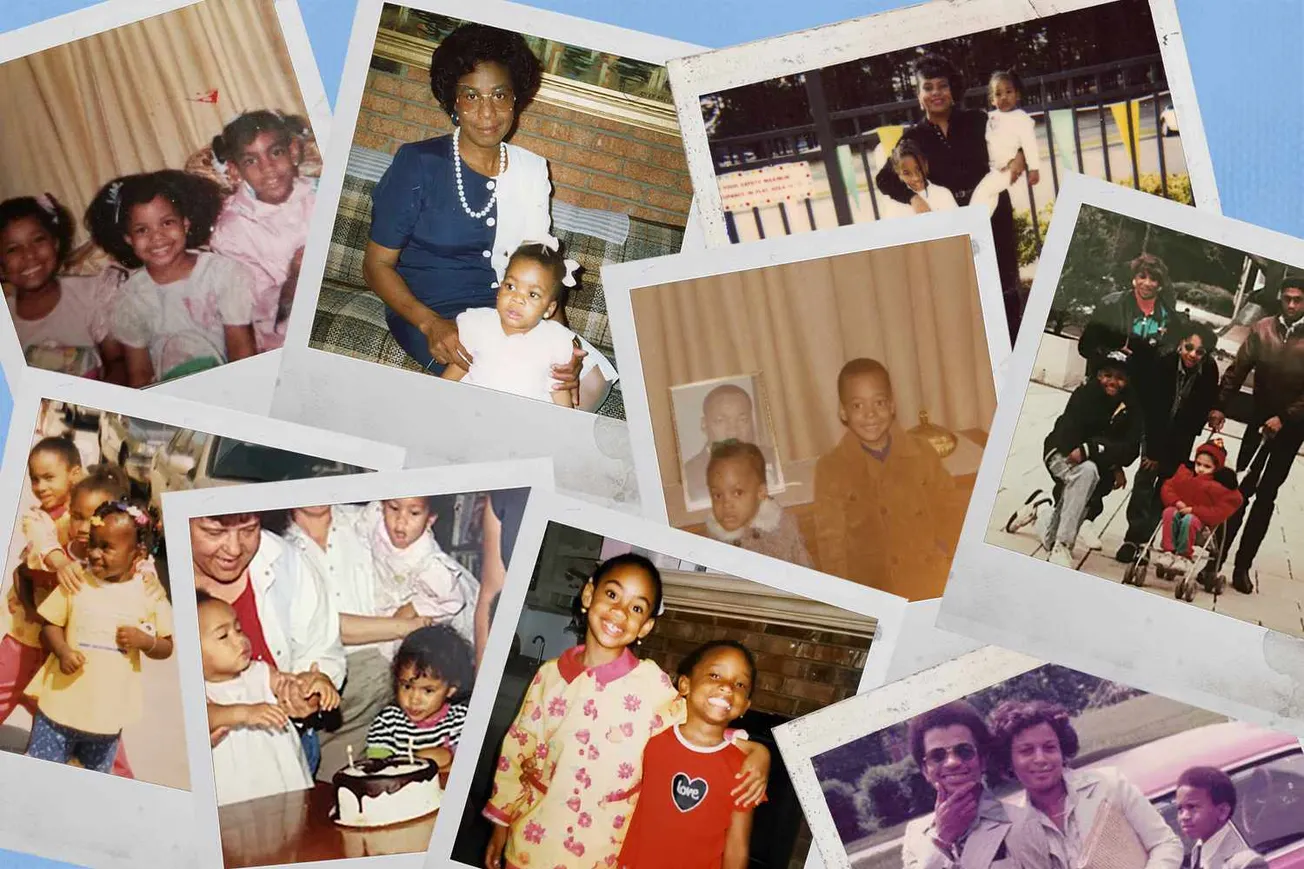
This topic on the changing landscape of families is one that resonates with me. As a kid in the 90s and early aughts, I grew up in a similar arrangement—my mother and her business partner and friend, along with her son, all lived together for about five years. Though the experience had many benefits and afforded us unique opportunities, there were always lingering questions I had about the relationship of my mother and her friend. Were they in a romantic relationship or just business partners navigating a platonic friendship? Is her son a step-sibling or friend? Though they never had a formal discussion with us about their platonic co-parenting system, I wondered how our “family” squared with others. These formative childhood experiences have been with me since, and today they are part of a larger conversation being lived out by countless people.
What once felt unique to my upbringing is now a much larger conversation about how people raise families and establish support systems. In our diverse world, we have many family structures that extend beyond typical arrangements. These models represent a new consideration of familial relationships that are reflections of society.
Beneath the emerging trends of family frameworks is a truth that most people can recognize: Raising children has become increasingly more difficult alone. Parents today face plenty of complex challenges, including rising child-rearing costs, intentional family estrangement, and work-home balance. Sharing responsibilities and burden via alternative structures can result in meaningful support and a lifeline to resources when other avenues might be inaccessible.

Even though there may be benefits, these arrangements also raise issues that are impossible not to confront. With marriage, you have an underlying legal framework that guides the partnership to support a unit of people. In other arrangements, what happens when convenience is abandoned? Conflict and circumstances, economic fluctuations, and relationship dynamics change, which may weaken commitment over time. What happens when a platonic co-parenting partner decides to withdraw from the arrangement? Financial assistance and emotional support are stripped away, leaving children vulnerable to poverty and other traumas. As a result of this potential instability, there is less security in these agreements than a traditional family unit.
Moreover, just like the main couple in the ABC segment, there isn’t a strong legal basis for platonic co-parenting. While Portland recently enacted a policy that protects against discrimination on the basis of “family and relationship structure”—including polyamorous arrangements—it is one of only a few cities that have done so. As a result, when it comes to benefits, parental rights, and vital medical decisions, these relationships might have uncertainty and confusion instead of the cemented rights and privileges seen in a traditional family unit.
The openness to expanding our understanding of family raises a fundamental question: Who gets to decide what a family is? For the greater part of the 21st century, debates over the redefinition of family and marriage were framed along partisan lines. By embracing this approach, the underlying philosophical aspect of these institutions was buried in polarizing rhetoric. The expansion of family models compel us to seriously consider whether family is something that is a creation of society that changes over time with cultural conditions, or a social institution meant for transmitting love between spouses and children.
As Catholics, we have a special opportunity to shed the light of Christ on these conversations without being judgmental and dismissive of the lived reality of alternative family arrangements. What is evident in plenty of stories is that people in nontraditional models are not rejecting family, but are instead searching for meaningful support and stability amid day-to-day struggles. These are all important parts of human experience that we should find respectable. So above all, the Church should embrace these individuals with the understanding that universal needs cannot be ignored.
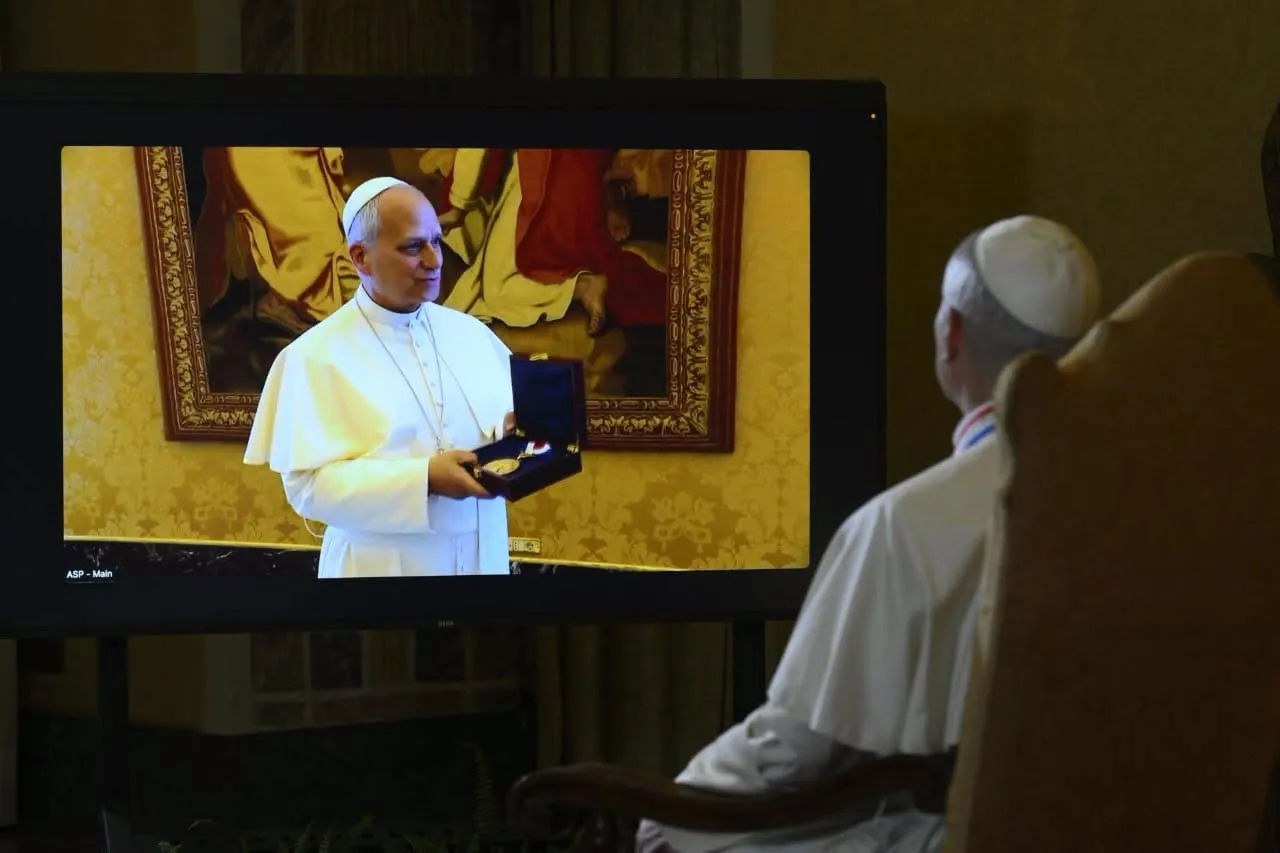
At the same time, Catholic teaching invites us to ask whether these networks of care or close support systems are enough to supplant the traditional family unit. While these frameworks for child-rearing and support offer love and security, the Catholic understanding of family is rooted in a deeper function. We know that the family is the original cell of social life, the foundation for society where virtues are transmitted and moral life is transmitted. This understanding was affirmed by Pope Francis, who highlighted the foundational aspect of the family:
“The family remains the basic unit of society and the first school in which children learn the human, spiritual and moral values which enable them to be a beacon of goodness, integrity, and justice in our communities.”
It’s with this special mission that we understand the family to be a social institution that must be supported and strengthened as a pillar for a flourishing civilization. The Catholic vision is one that responds to swiftly changing culture not by redefining but by standing firm in the truth that the well-being of society is inseparable from a strong family unit.
That said, articulating the Church’s standard should never be used as an excuse for discounting the authenticity of how different cultures display their care for children. In various communities, a family’s close friends, neighbors, and members all contribute to the stability and well-being of the children therein. These supportive networks are not signs that the family is imperfect but examples of fraternal love that elevates the family toward God’s design. Catholic teaching would never undermine the significance of a community network of care, since so many examples abound in tradition and Scripture. This type of community of care has an immense role in supporting both children and parents, but it does not replace the role of the family as a unique vocation.
The growing diversity of and legal protections for nonstandard family arrangements are unlikely to disappear, but Catholics should not approach these situations with rigidity and self-righteousness. Instead, these encounters invite us to share the beauty of charity and become a beacon of truth not only in words but also in our actions. The way we convince the culture about the crucial role of the family is not found in winning debates with partisan thinking. Instead, we must display the love of Christ that compels us to meet others where they are, journey with them in compassion, and dialogue with sincerity.

In walking with these individuals, it is key to consider how our society must embrace better supports and resources that help families thrive. With the barrage of systemic inequalities rooted in racism and sexism, technological displacements by artificial intelligence, and widening inequality, there is a modern threat to family that goes beyond contraception and other pro-life concerns. As such, Catholics need to advocate and stand in solidarity with those who need additional support. Consider the words of Pope Leo XIV in “Magnica Humanitas”:
“The family, however, is a fragile social good immediately affected by the economic and technological transformations reshaping the nature of work. It thus requires cultural, juridical and economic support.”
It’s incumbent upon Catholics to put pressure on local, state, and federal governments to create opportunities that promote prosperity and development that ultimately leads to the flourishing of the family. In his encyclical, Pope Leo clarifies this by affirming the importance of the state's intervention as a responsibility for prosperity:
“The State has the duty to support business activity by fostering conditions favorable to employment, promoting work where it is lacking and defending it in times of crisis, since it is a primary good for families and for society.”
Whether we practice our fellowship in the vocation of matrimony, holy orders, or just virtue-filled fidelity to our baptismal call, our responsibility to be a vessel for Jesus is never in competition with the standards of society. In a world searching for community, affirmation, and purpose, we communicate a design rooted in the joy of giving ourselves to others.
As our understanding of family evolves, Catholics mustn't dismiss the real challenges that young people face as they discern and navigate platonic co-parenting, polyamory, and other family arrangements that may differ from the Catholic vision.
In a culture searching for connection and purpose, being indifferent to the genuine care that may exist in nontraditional family models only demonstrates a disconnect from the reality of how many younger Americans perceive community and care. The Church is called to meet others where they are while still speaking with Christ’s love. With a firm fervor for marriage and the Church’s understanding of family, we must also be charitable in our approach and faithful to our call.
In the end, ideological debates about who is right or wrong won't ensure the longevity of the family. Instead, it will be secured by how we convey compassion rather than condemnation and empowerment rather than shame. This type of witness won’t be found by defense of beliefs, but in a visible display of self-giving love and mercy to those we encounter.
Efran Menny is a husband, father, and regular contributor to BCM. His work is informed by his experience as an educator and his studies in social work. He has a passion for elevating topics on justice and theology for Black Catholics.