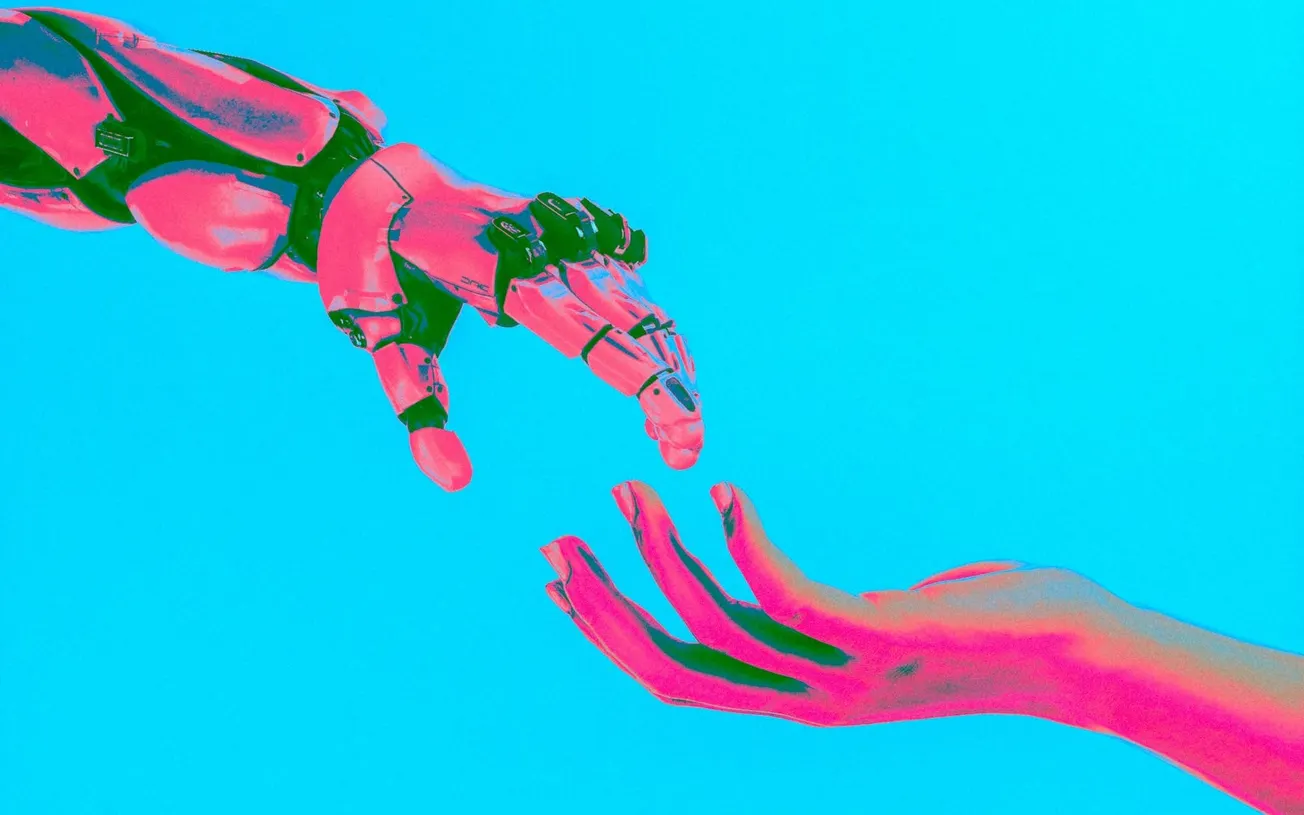
Earlier this summer, I was sitting under a canopy at our annual parish picnic when the conversation at my table turned to the rapid advancement of artificial intelligence.
“What will humanity do if AI takes all the jobs?” someone asked. “Without meaningful work, won’t we lose our purpose?” Beneath that question lie others that mankind has wrestled with since the beginning: What is our purpose? For centuries we have grappled with this question due to our universal desire for meaning in our lives.
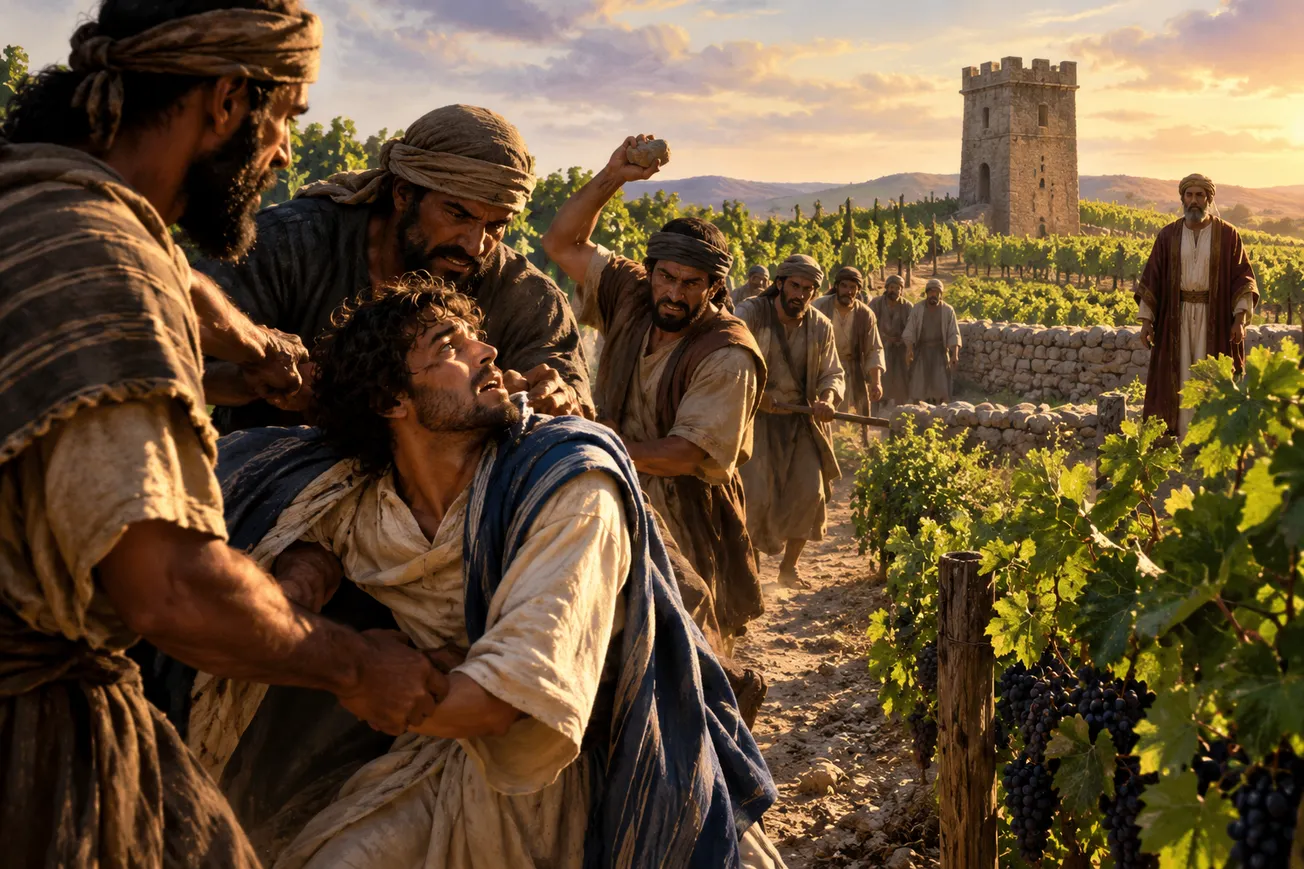
As Catholics, we understand our purpose should be objectively ordered toward God and union with him in eternal life. Pope Leo XIV, in his first encyclical letter, Magnifica Humanitas, highlights how the people at the Tower of Babel not only strove to build a city but also a tower that would stand out. As they said, “Let us make a name for ourselves, otherwise we shall be scattered all over the earth” (Genesis 11:4). They were driven by what they conceived as their sense of purpose: to build something that would attract the admiration of others and to make themselves famous and remembered.
In pursuing their own vision of purpose, the people of Babel unintentionally turned away from the purpose God had given them. God commanded humanity to be fruitful and multiply and fill the earth, yet they sought to remain together in one place and establish their own greatness. They wanted to discover their identity apart from God, and for this reason, God scattered them across the earth.
However, if we reflect deeper on this misguided sense of purpose, we can see that it was ultimately rooted in the deep longing to feel as if they mattered in society. The people of Babel thought they could establish their worth by building something that others could admire. Today, we too are often tempted in the same way. Whether it’s creating a business or family legacy, writing a book, or uploading a picture to Instagram or Facebook, there is always an underlying temptation to dilute these genuine goods by making them—and the recognition they earn us from the world—our life’s purpose.
However, our ultimate value and purpose do not depend on what we accomplish nor the societal validation we receive. It is a gift freely given by the God who created us in His image and calls us His beloved children. Our purpose cannot be taken away by changing circumstances. Technological revolutions may transform how we work, but they cannot redefine why we exist. Rather than humanity’s downfall, the Industrial Revolution and today’s technological advances can become moments of clarity that redirect us toward our true purpose. Our purpose doesn’t change if we live in a cave, tent, townhouse, mansion, or on Mars. Our deepest vocation will always be to know God, love Him, worship Him, and delight in His presence.
To enter into this deepest vocation, we need space to pause. As the German Catholic philosopher Josef Pieper argued in his book Leisure: The Basis of Culture, leisure is not the absence of work but the disposition of contemplation. We were made for contemplation and true rest. In fact, the fatigue of daily labor and mundane tasks often serves to remind us of how deeply our souls crave this rest found in God. Leisure in itself is not the answer to humanity’s purpose, but rather a means by which we rediscover our true purpose in God. It is an opportunity to become attentive to the presence of God. It may happen during an evening walk when we pause to wonder at creation, during a meal with friends where gratitude becomes prayer, or in a quiet moment when we allow God to speak to our hearts. The fruits of this contemplation can then overflow into the way we love others, share our gifts, and bring God’s presence into the world around us.
If AI does transform the way we work, perhaps it may even become an opportunity to rediscover what truly matters. However, we do not need to wait for a technological revolution to experience this freedom. We can begin now by surrendering our will to God. Through prayer, silence, and contemplation, we can come to understand and more fully embrace the purpose He has placed within our hearts–to become the people God created us to be, bringing glory to Him through all that we do, reflecting His love, and becoming instruments through which His love reaches the world.
Joseph Peach is a Catholic author, freelance writer, and speaker. He serves as the youth minister at St. Hilary Catholic Church in Fairlawn, Ohio, and has published seven books.