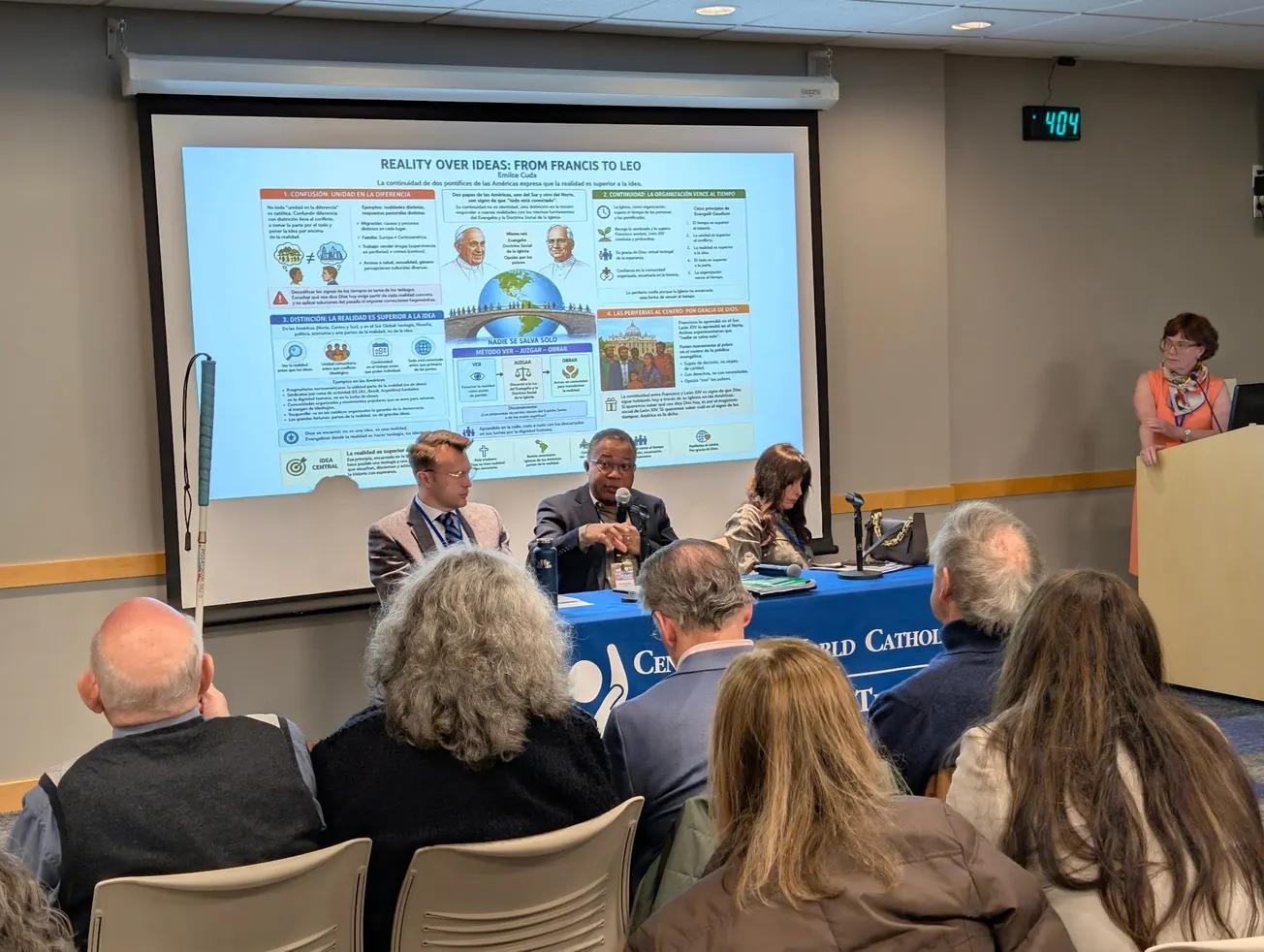
CHICAGO — Theologians, historians, journalists, and observers gathered in Illinois for a two-day conference on the past, present, and future of Pope Leo XIV, the first American pope. It was the flagship gathering for World Catholicism Week at DePaul University, the school from which both of the pontiff’s parents graduated.
From April 30 to May 1, more than a dozen speakers participated in livestreamed events under the theme of “Pope Leo XIV: From the Americas, For the World,” covering Leo’s background in Illinois and South America, his global perspective of Catholic faith, and the resulting themes informing his nascent papacy.
The gathering was perhaps especially colored by recent happenings in U.S. geopolitics, which brought Leo into uneven conflict with the White House just weeks before the one-year mark of his tenure.
 Nate Tinner-Williams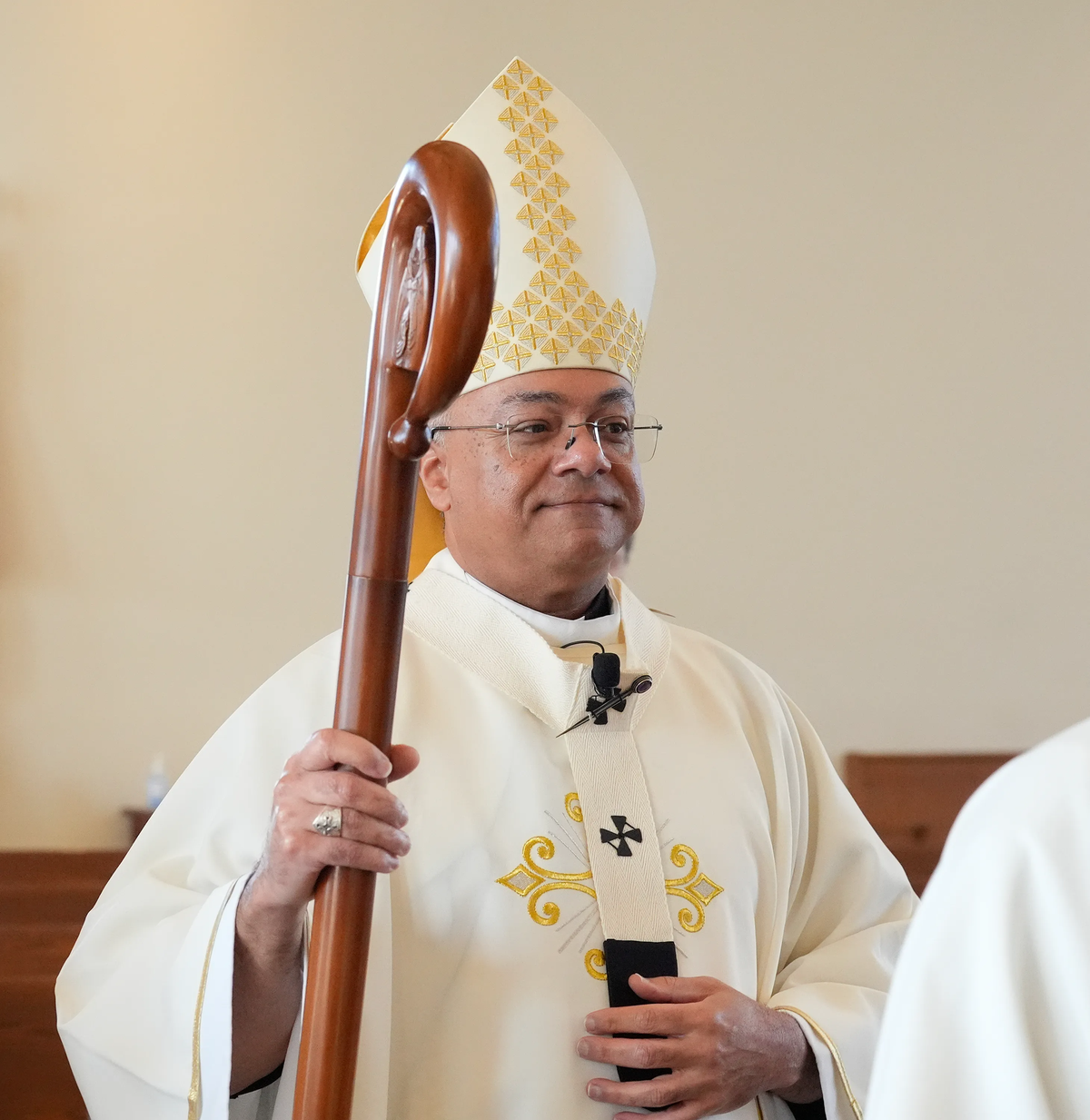
“[He’s] someone who's from the heartland of the nation. He seems to stand opposed to nearly every aspect of national power, especially as that power manifests itself in extreme form under Trump,” said Dr. Greg Grandin, who teaches history at Yale University and delivered the conference keynote.
“Leo appears to be continuing [Pope] Francis's effort to, without changing doctrine itself, pull the Church away from culture war preoccupations with sex and abortion, toward a broader social justice agenda.”
Other speakers highlighted that the 70-year-old Bishop of Rome—an Augustinian who served as a missionary and bishop in Peru before heading the Vatican’s Dicastery for Bishops—draws from his background in the peripheries as well as his knowledge of the Church’s activities around the world.
“Not only is he the first pope to arise from the United States,” said Dr. Shannen Dee Williams, a historian from Dayton University, “but also his public acknowledgement of his multi-racial and multi-ethnic heritage, especially his Creole and wider African-American roots, has marked a new turning point for talking about the U.S. Catholic experience and its foundational roots in the mostly unacknowledged and unreconciled histories of Catholic colonialism, slavery, and segregation.”
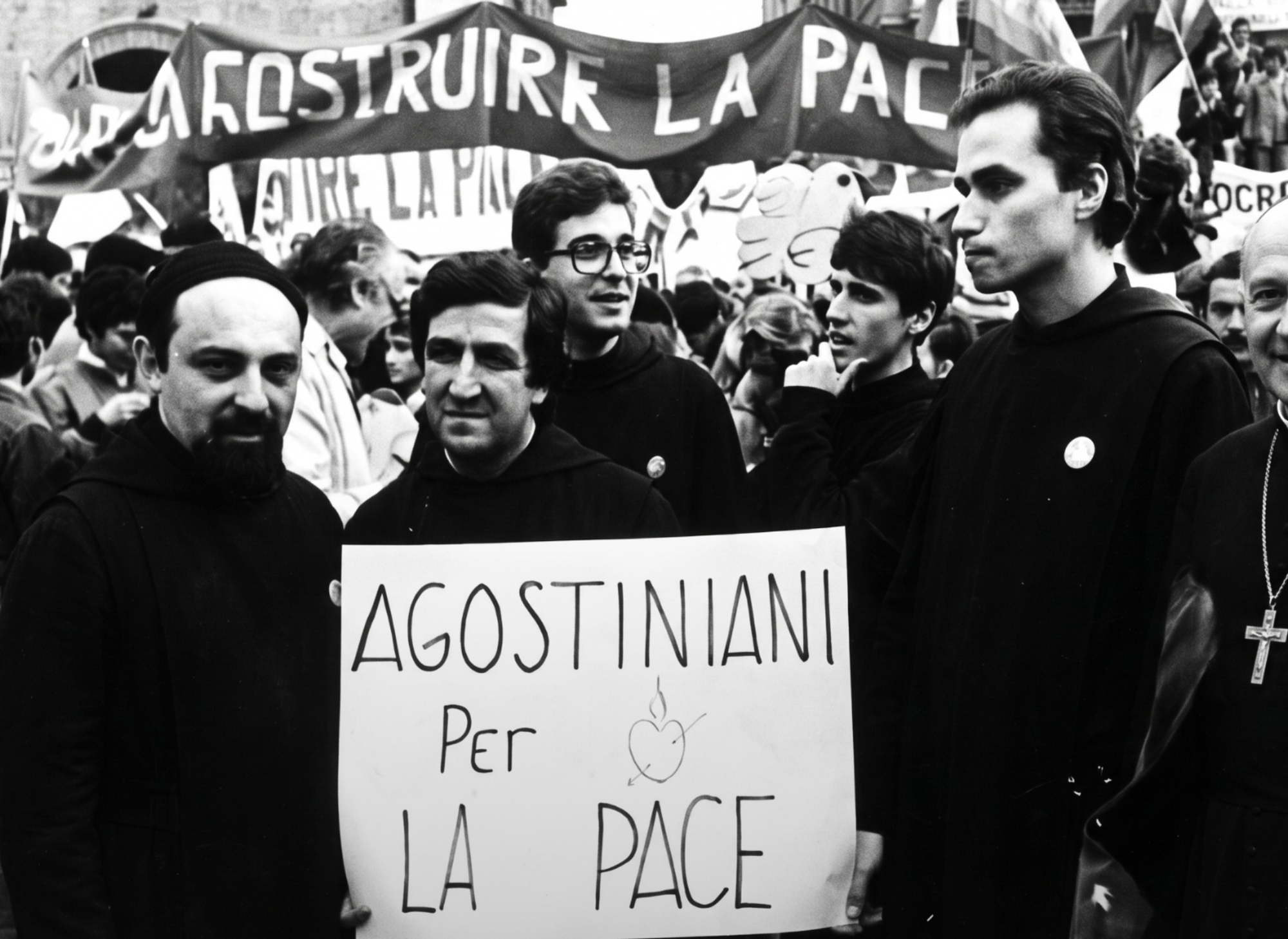
Beyond his American origins, scholars at the conference emphasized that his time in South America, including during the Shining Path insurgency and the dictatorial regime of Alberto Fujimori, shaped him as a priest of the people and a voice against systemic injustice. This fervor, according to the speakers, was applied to both secular and Church matters.
Paola Ugaz, a Peruvian investigative journalist who exposed the abuses of the secretive Sodalitium Christianae Vitae (Sodalitum of Christian Life), served as one of the conference’s multiple panelists from South America. In her remarks, she spoke of the support she and her colleagues received from Leo—then Cardinal Robert Prevost—while facing death threats and legal attacks for their work.
In that way and others, Leo was described by the speakers as a worthy successor to Pope Francis, whose own work to combat Church corruption was a notable part of his watershed 12-year papacy.
“Francis and Leo, they are different, but they are really similar in one sense: They are empathic,” said Ugaz, who added that their advocacy was not partisan in nature.
“You don't have to be left or right in these stories. You have to be empathic, to listen to other people, to feel how the people feel.”
Nate Tinner-Williams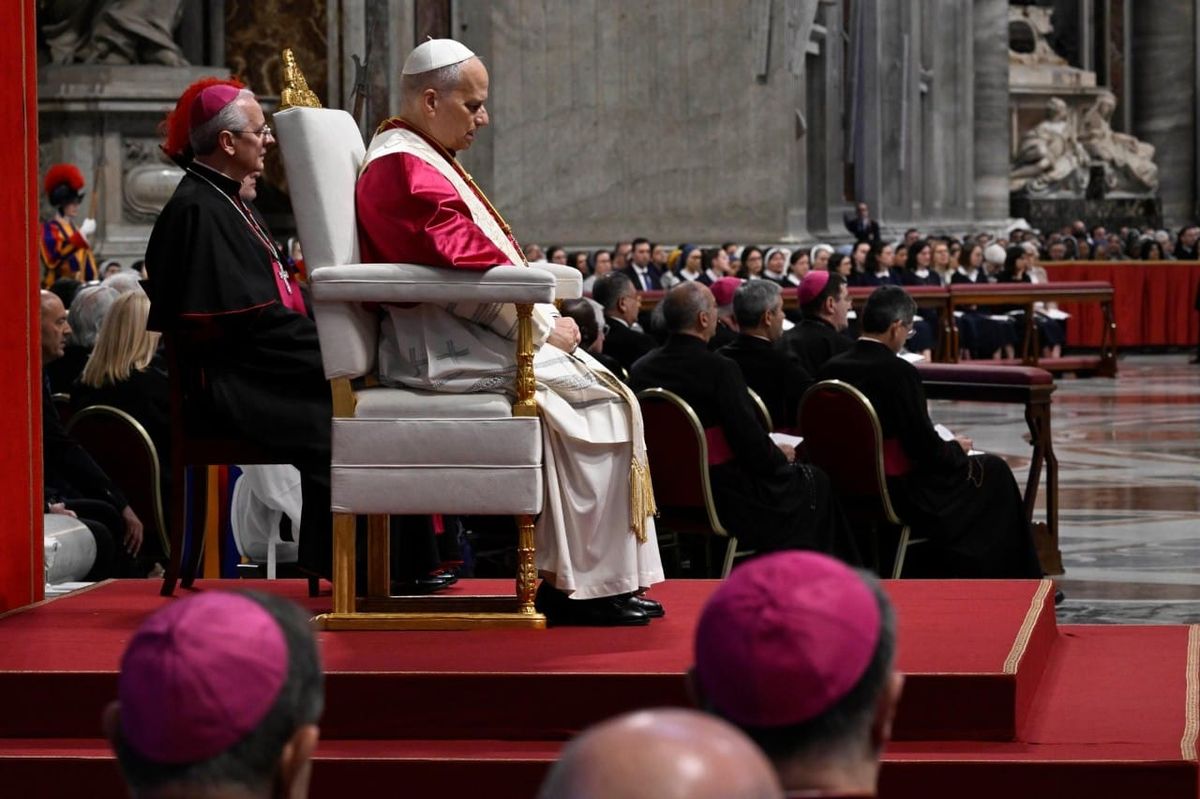
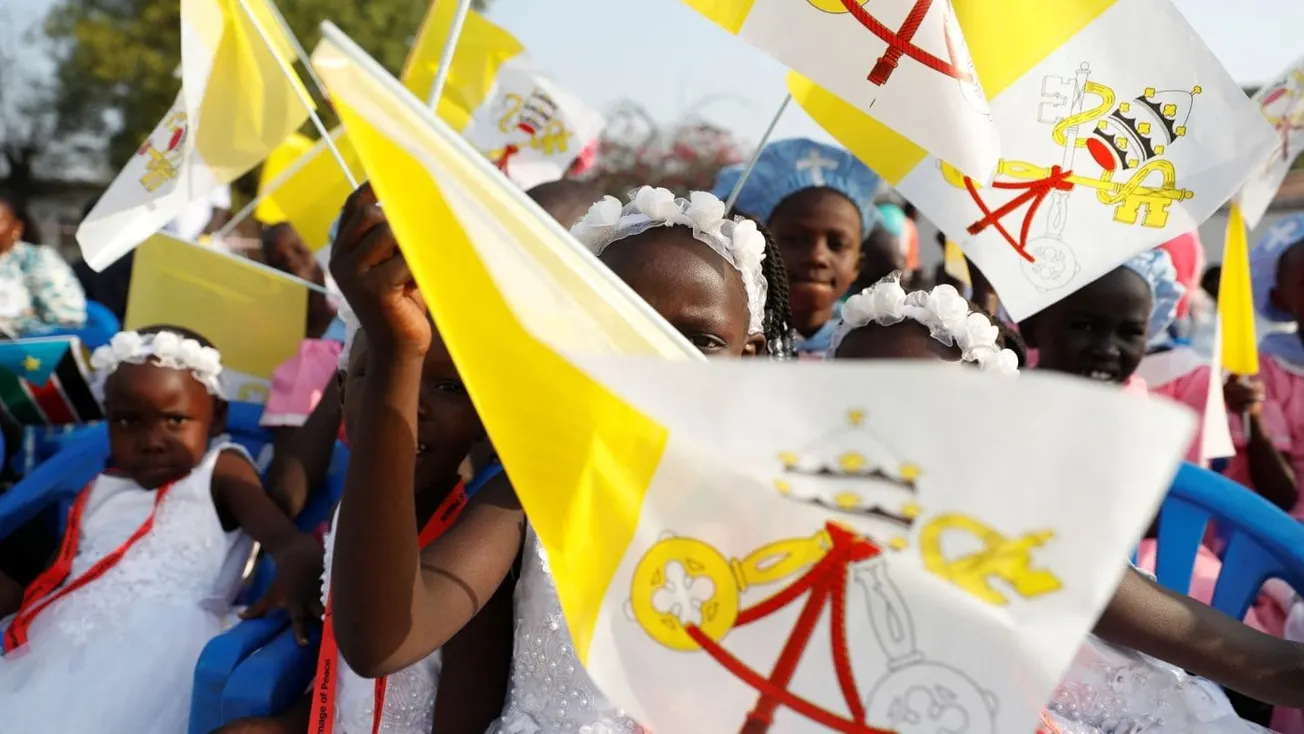
Two of the panels focused in part on Leo’s connections to Africa, both in his ancestry and in his service as a Church leader. While serving as superior general of the Augustinians from 2001 to 2013, he visited the motherland on some 20 occasions, including each of its major regions. He visited several more times as a bishop and cardinal before making a papal trip to Africa last month.
The Jesuit priest Toussaint Kafarhire Murhula, who serves as the Arrupe Center for Research & Formation in the Democratic Republic of the Congo, said Leo’s movements indicate he understands Africa not just as object but as subject in the global picture of the Catholic Church.
“The continent is no longer framed merely as a recipient of charity... but as a locus theologicus, a privileged site for theological reflection," Murhala said.
“By centering Africa's lived realities, marked by resilience, suffering, joy, and faith, and communal vitality, the pope elevates its experience as sources of insight into the universal Church's mission.”
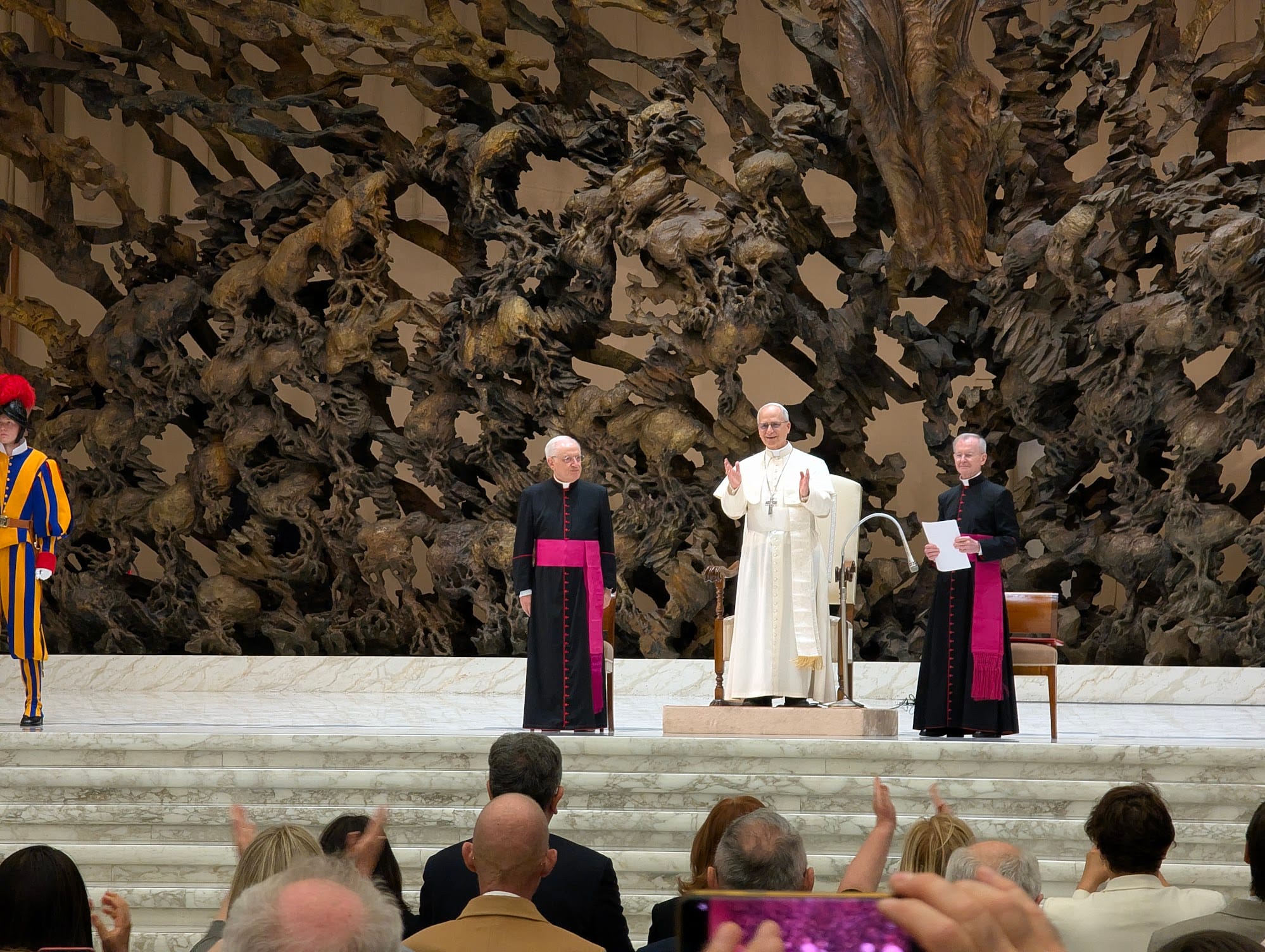
The conference on the whole painted a portrait of a leader uniquely outfitted to speak to a world deeply troubled by genocidal wars, anti-Black racism, enforced poverty, and a polarized—or even politicized—Church. Leo’s response thus far has been anything but silence.
Christopher White, from Georgetown University’s Initiative on Catholic Social Thought & Public Life, was one of several panelists looking forward to what Pope Leo XIV might have in store for the Church in the near future. White mentioned the strong possibility of an encyclical in the coming weeks, like focusing on Catholic social teaching, though it remains to be seen what that document—and his central papal focus overall—will be.
That said, even though the 2025 conclave defied conventional thinking on nearly all sides, Leo’s ascension was foreseeable to those who recognized the cardinals’ search for another fresh perspective in the Chair of St. Peter, and for a voice with global experience.
“I was on the rooftop of the Augustinianum, one of the religious houses overlooking St. Peter’s Square, for NBC News, and next to me was another Chicago native, Bishop Robert Barron,” White said of the day on which Leo was elected last May.
“In a moment off-camera,” White continued, “Bishop Barron says, ‘Well it's four ballots, quick conclave. It clearly has to be Cardinal [Pietro] Parolin.’ I told him, ‘Well I think it's probably Cardinal Robert Prevost,’ and he laughed at me and said that was just an idea that reporters would dream up hoping to sell papers.”
“A few minutes later, when Cardinal Robert Prevost walked out on the balcony as Pope Leo XIV, I got the last laugh.”
Nate Tinner-Williams is co-founder and editor of Black Catholic Messenger.