QUINCY, Ill. — Roughly 200 attendees gathered Wednesday for an event celebrating the fundraising launch for a shrine to Venerable Augustus Tolton, the nation’s first openly Black Catholic priest, in the town he escaped to from slavery in 1863.
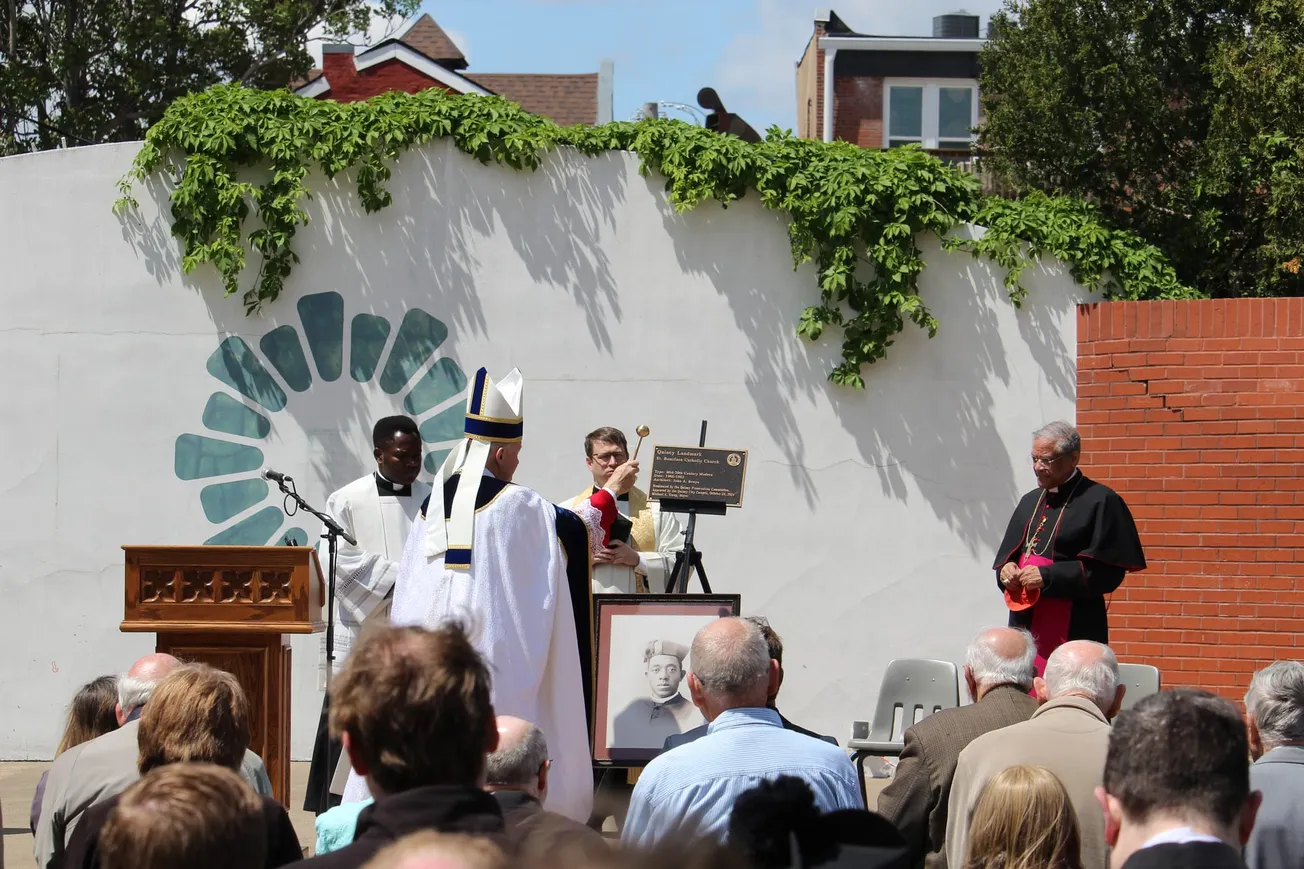
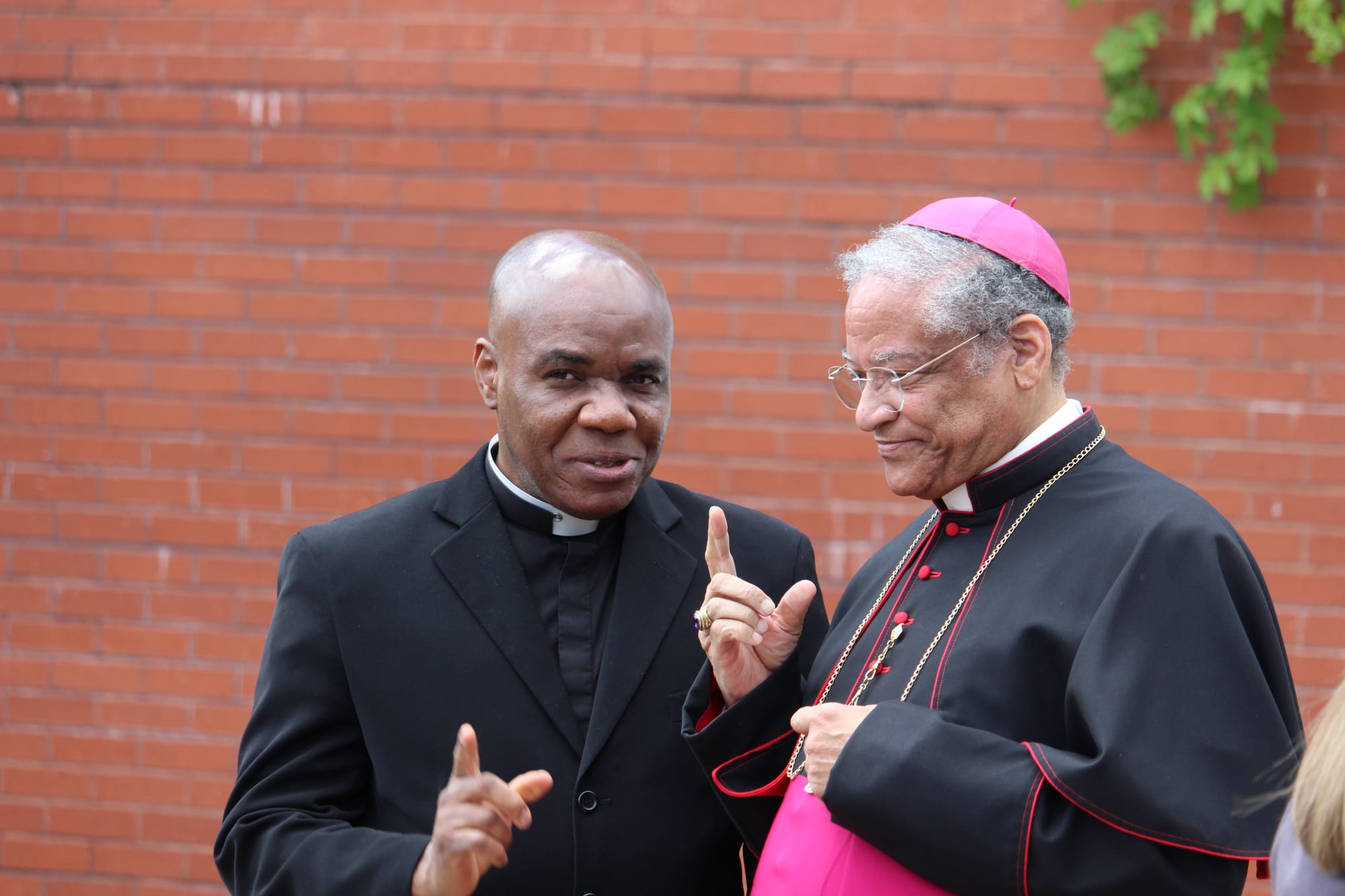
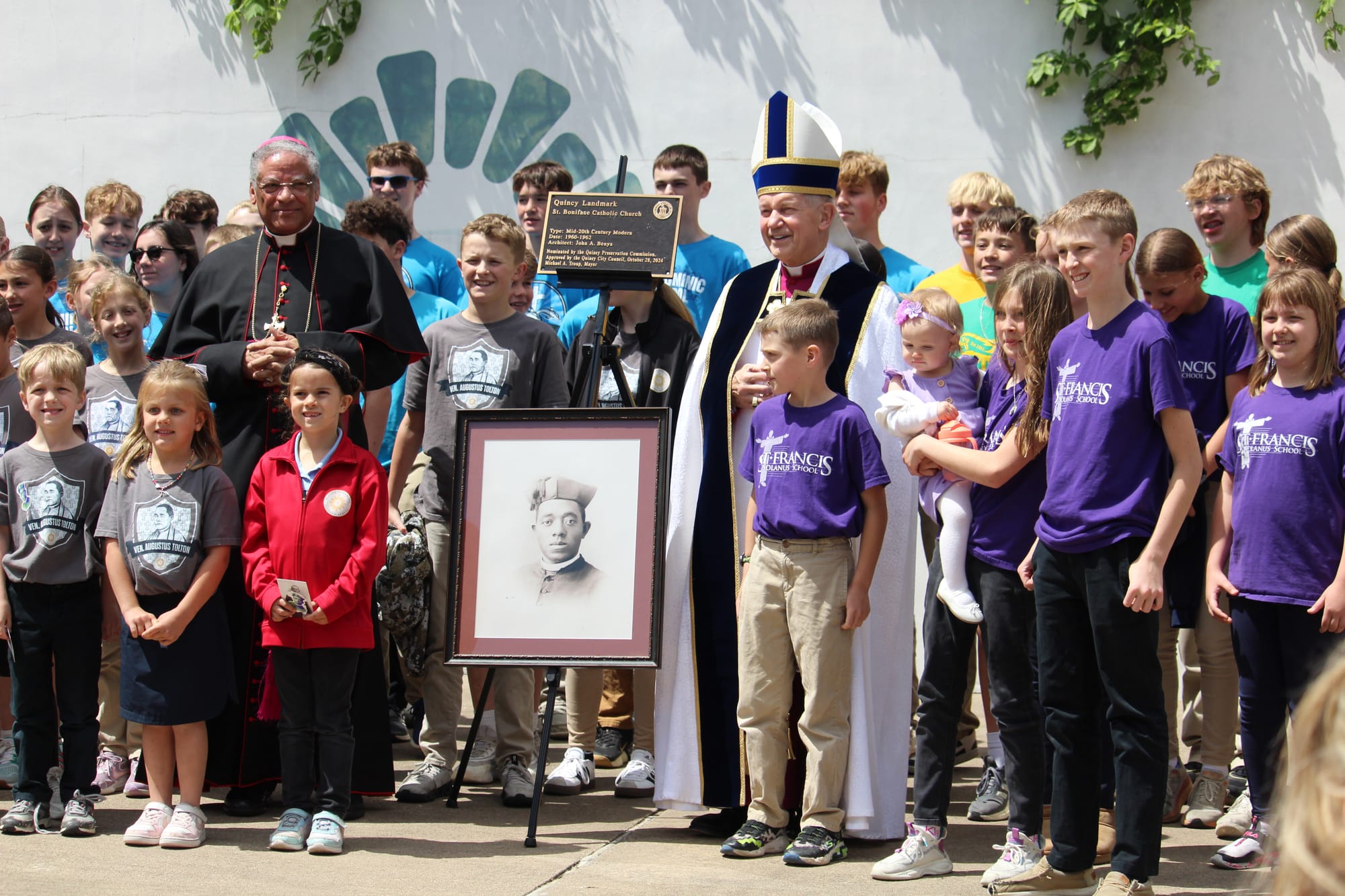
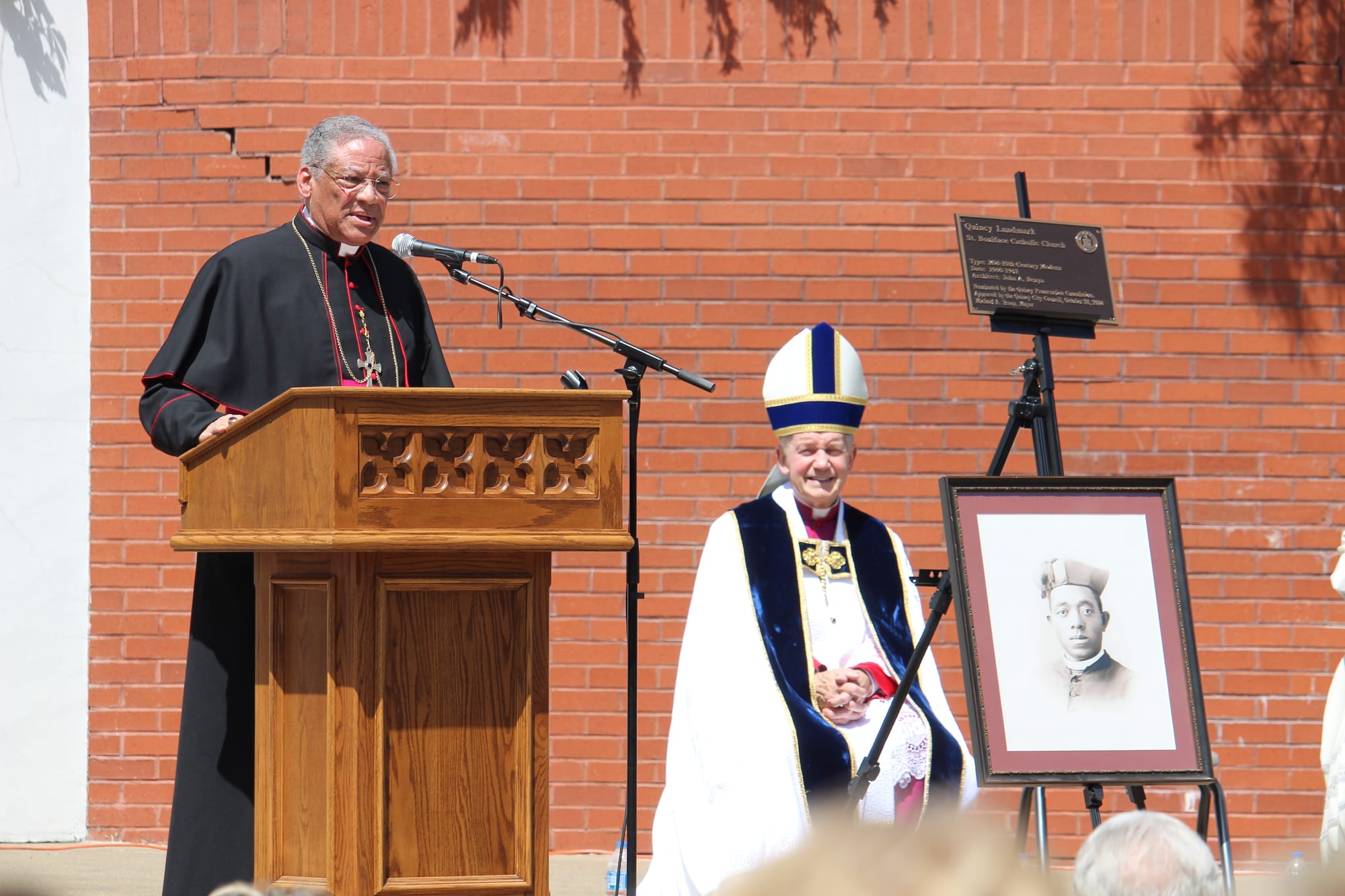
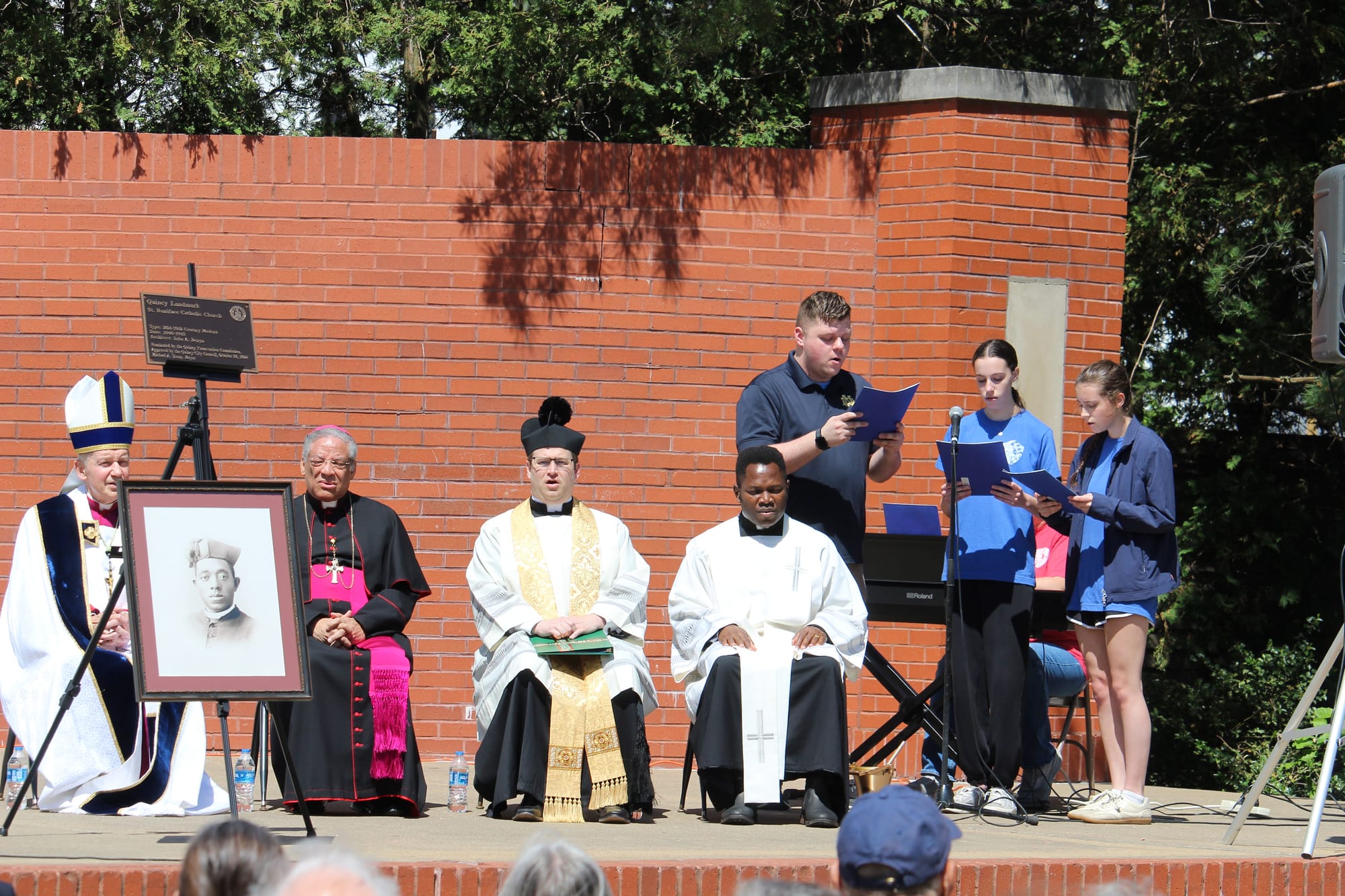
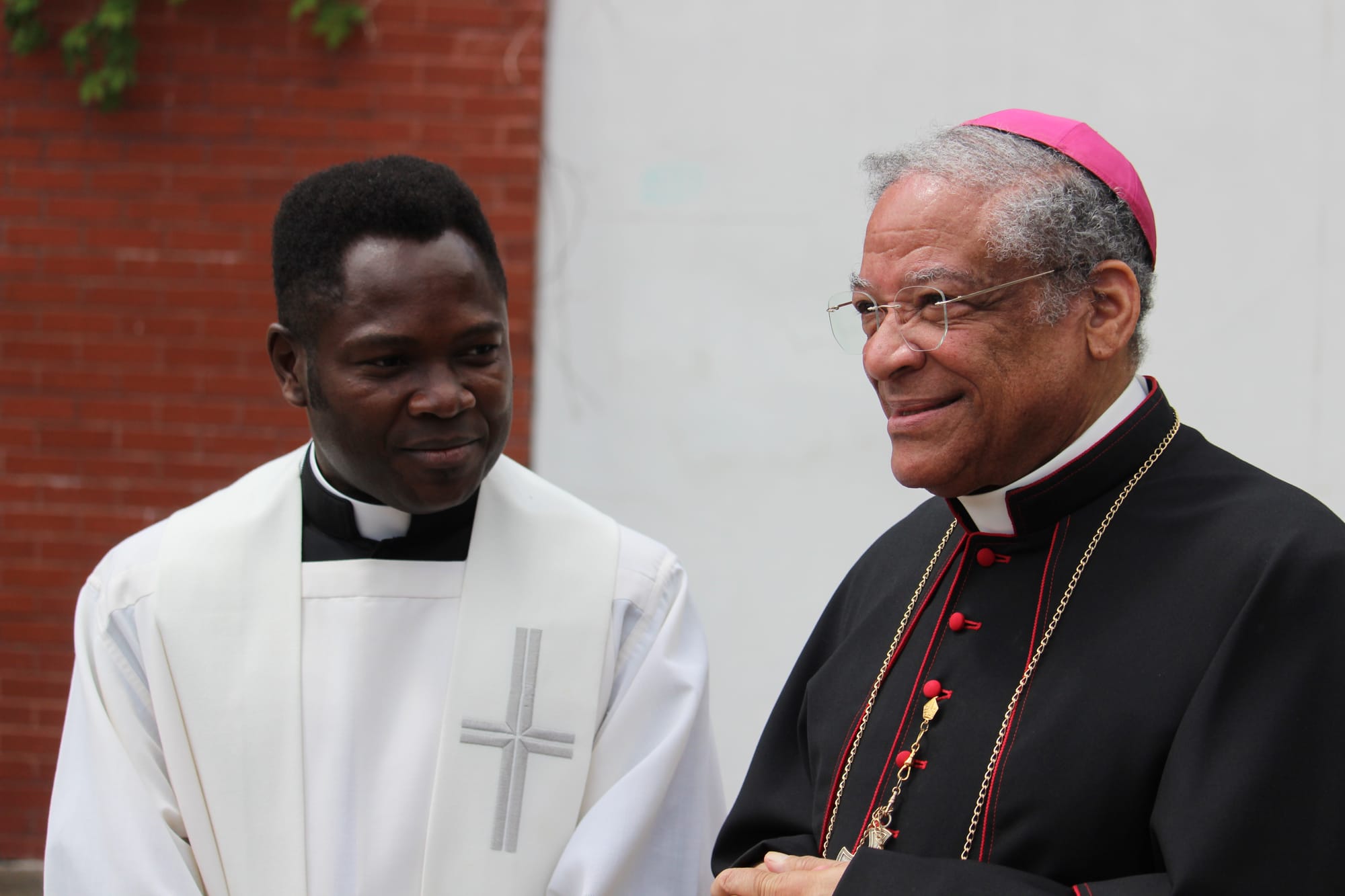
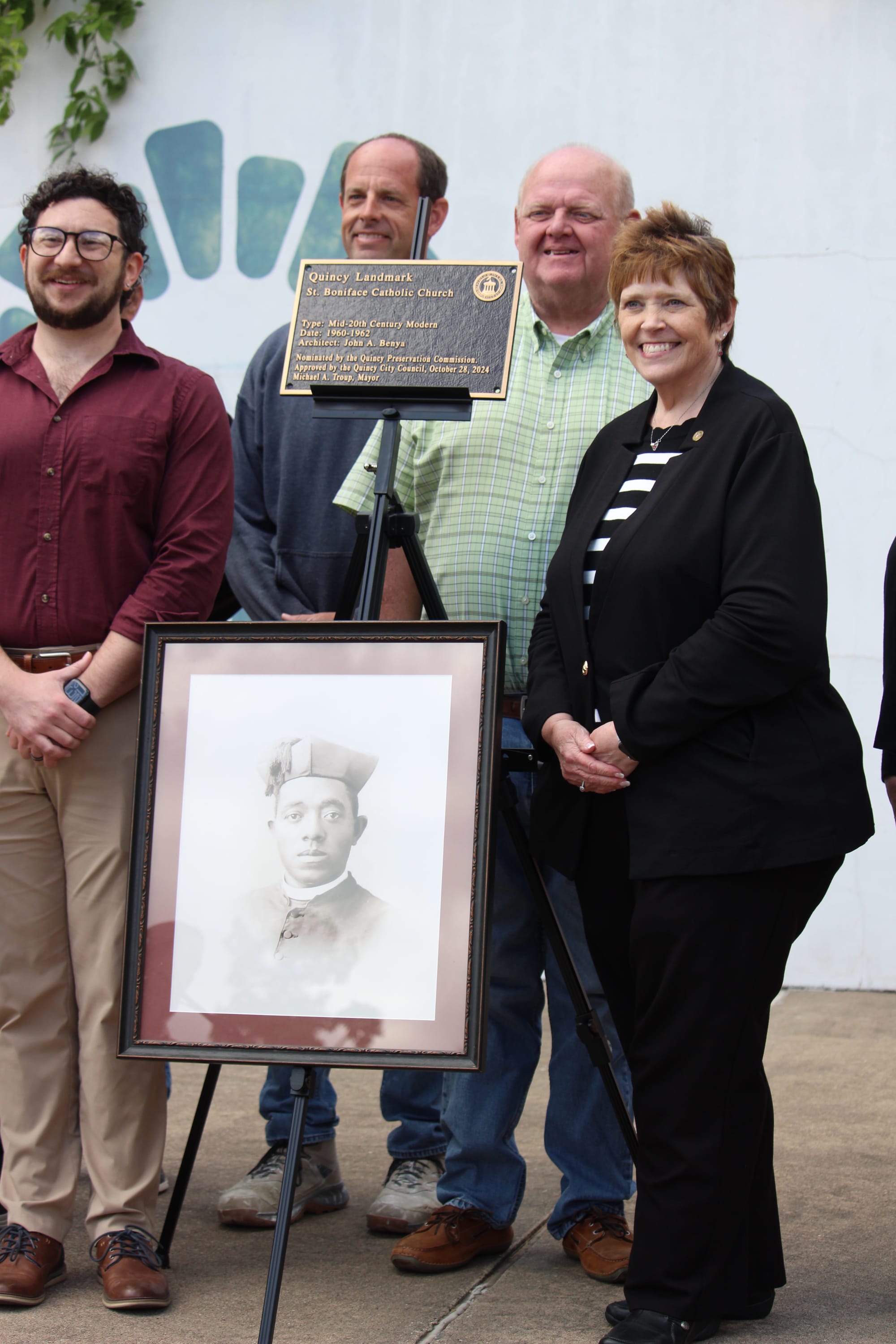
Bishop Thomas Paprocki of Springfield joined Auxiliary Bishop Emeritus Joseph N. Perry of Chicago; Dr. Linda Moore, the mayor of Quincy, Illinois; local Catholic and Protestant leaders; politicians; and students for a ceremony at the shrine site, the former St. Boniface Church.
Tolton’s sainthood cause was opened in 2011 and the church, where Tolton celebrated his first Mass in Illinois, will be the latest memorial to him in Quincy, where he was buried in 1897.
Moore spoke of the gathering this week as a solemn occasion bringing together professionals from a variety of backgrounds to fete Tolton, who has come to represent racial unity despite the struggles he faced during his life due to anti-Blackness.
“They say there's supposed to be a separation of church and state, but in Quincy we're all one community,” said Moore, a Catholic who serves on the shrine committee and officially proclaimed St. Boniface Church a city landmark in 2024—over the objections of the Diocese of Springfield.
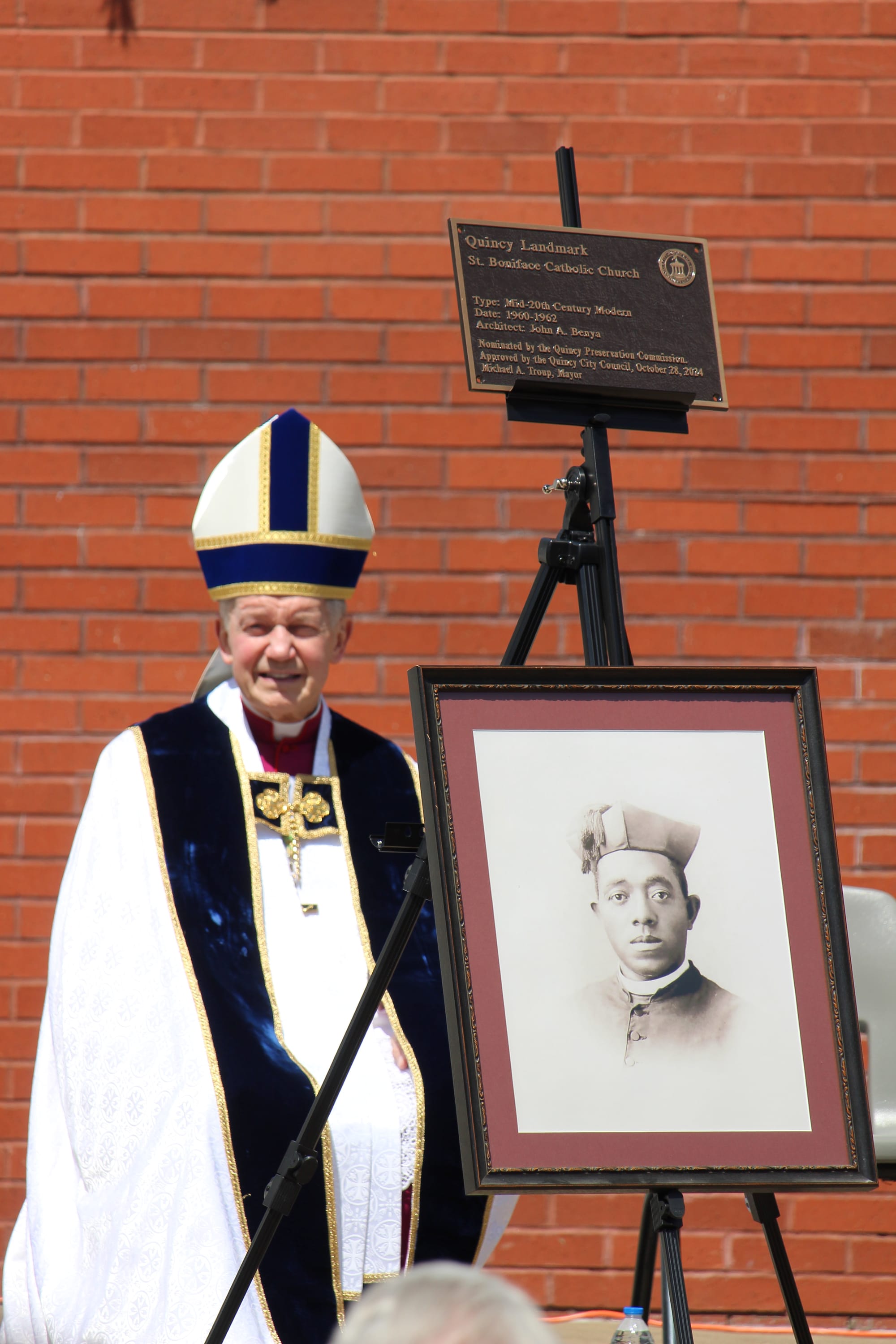
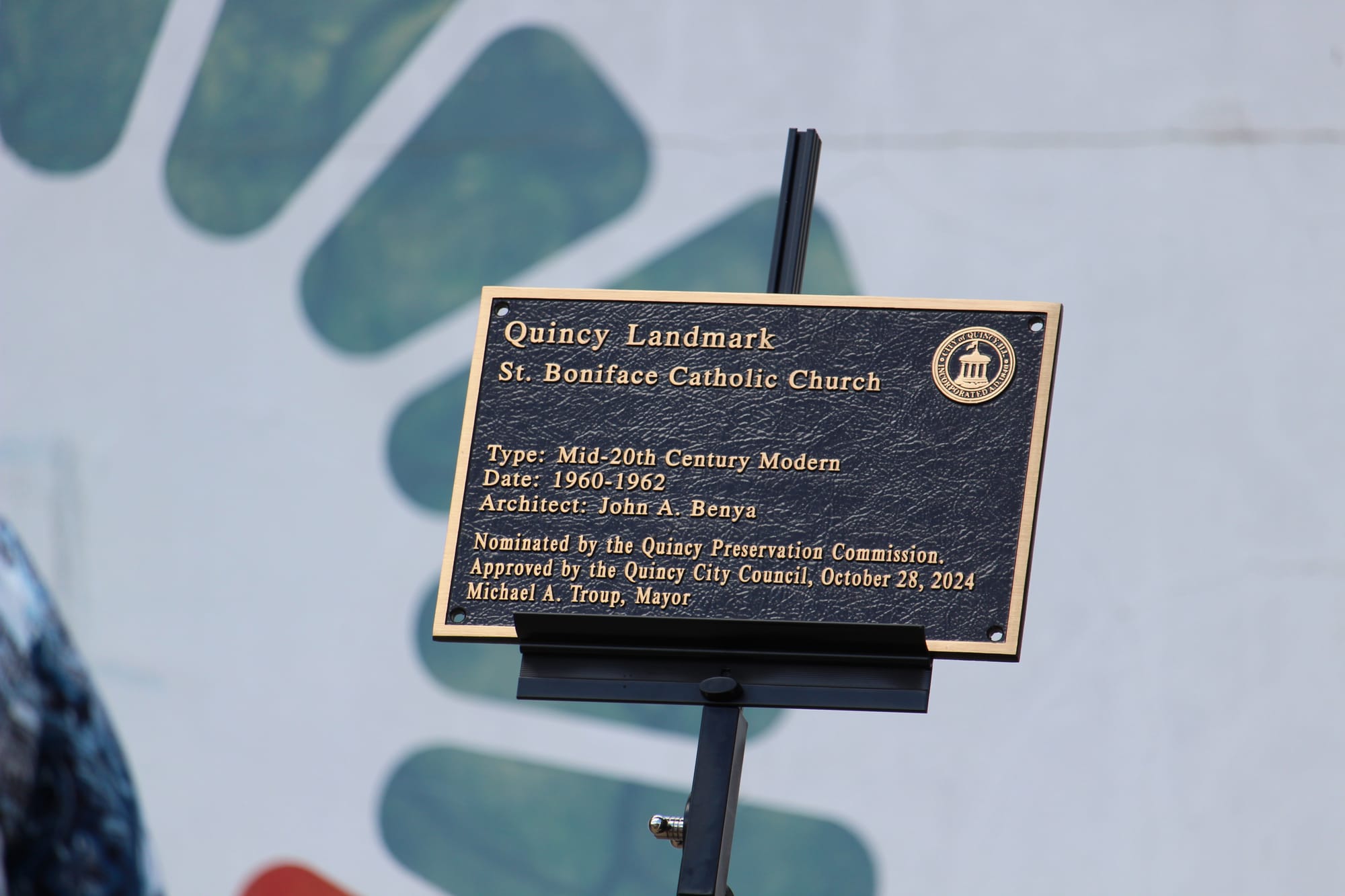
Wednesday’s event saw Paprocki bless a commemorative plaque noting the new status and Tolton’s connection to the church, which dates back to 1838. The moment marked the culmination of reversed fortunes for the edifice, which was built in 1962 and has sat mostly vacant since the parish’s closure in 2006. An initial landmark application the following year was unsuccessful.
The diocese formed a shrine committee thereafter, and an official decree for the group was released by Paprocki in 2023. Members determined that the church needed significant restoration, however, and the diocese—in their opposition to the 2024 landmark application—said they could not afford the repairs and that demolition was a possibility.
Now, with landmark status approved, the diocese will turn to fundraising for the $5-6 million they say is needed to make the shrine a reality.
(Nate Tinner-Williams)
“This is not just a building project. It is a spiritual mission,” said Paprocki, who envisions the site as a major pilgrimage destination where people can seek Tolton's intercession, particularly those who feel “overlooked, burdened, or tested in their faith.”
Fr Steven Arisman, who chairs the shrine committee, said additional funds would need to be raised for expanding the shrine campus and establishing an endowment to fund future efforts.
“We're looking not only to Quincy, but we're looking to expand our efforts of fundraising, stewardship, and development,” Arisman said, noting that the shrine can only be built as quickly as funds are secured.
“Fr Tolton's story reaches far beyond Quincy. And so we're looking out to the nation to help us in this effort to tell of the saint that we know him to be… all of the struggles, his model of perseverance, humility, and faithfulness to Christ, especially in the face of hardship, loss, and injustice.”
Bishop Perry, who served as diocesan postulator for Tolton’s sainthood cause upon its inception in Chicago, told the assembled crowd in Quincy of how Tolton’s life and legacy have much to say about race and human relations, and how canonization efforts developed over the years.
No African American has ever been beatified or canonized in the Catholic Church, and Tolton is one of seven officially on the path. Now at the second stage, which affords the title “Venerable,” Tolton’s cause requires a Vatican-approved miracle in order for the pope to be able to beatify him, making him a “Blessed.”
Perry spoke of Tolton as uniquely placed in U.S. and Catholic history, functioning as an example of fortitude and welcome in an age of open discrimination and moral contradiction that continued long after his death.
“Tolton is situated as something of a pioneer for the Church to give an answer to that,” Perry said, “but society and elements of the Church were not ready to hear the answer the Church had for that. It was predicated in the person of Tolton, whose heart and ministry was open to everyone.”
Tolton, ordained in Rome in 1886 after being rejected by U.S. Catholic seminaries, served in Quincy (then part of the Diocese of Alton) for three years early in his ministry. He requested a transfer due to racist treatment from local White Catholic leaders—including the pastor of St. Boniface—and anti-Catholic treatment from Protestant African Americans. Accepted in Chicago, Tolton founded the archdiocese’s first Black Catholic parish in 1891 and died of heat stroke six years later at the age of 43.
Tolton had previously requested that upon his death, he be buried in Quincy, where his family first found freedom after escaping slavery in Missouri. He was buried there at St. Peter’s Catholic Cemetery, where his grave is today a towering monument to freedom.
“Gus's heart was always here in Quincy. Even though he was rescued in Chicago, his heart was here,” said Perry, who noted that Tolton made his burial plans known to his mother during a time when he had reason to fear for his life.
“Thank God there were those who honored that request. This is holy ground.”
Nate Tinner-Williams is co-founder and editor of Black Catholic Messenger.