Across many U.S. Catholic dioceses today, there is real movement toward Latino outreach. It is visible. It is intentional. Resources are directed. Ministries are strengthened. Conversations about the future of the Church often speak in this direction.
This is not wrong. It reflects real change. The Church is responding where growth is happening, but the Church's response to the longstanding needs of Black Catholic communities has not received that same urgency, investment, or sustained attention."
There are Black Catholic communities in America that carry what they have always carried. Inherited poverty that never disappeared. Systems that still shape opportunity and safety. Neighborhood violence that has become background noise rather than an emergency. Schools that remain under-resourced. Families remain burdened across generations, often sharing limited financial and emotional resources while carrying hardships they did not create.
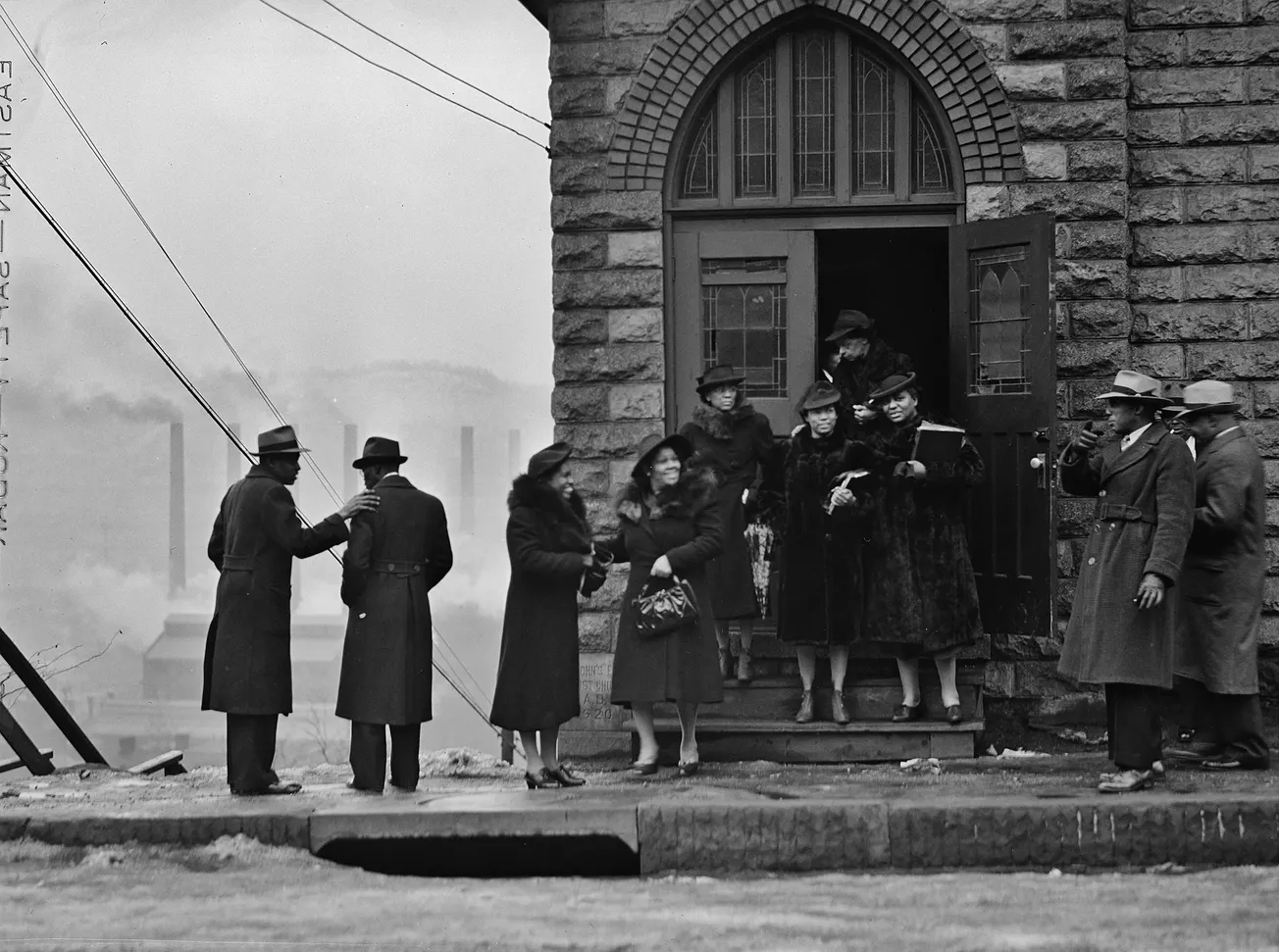
These communities did not suddenly heal. Their struggles did not disappear. Yet the urgency surrounding them has grown quieter. Many historically Black Catholic parishes have already been closed or merged, and those that remain often continue with limited resources. Yet, their people remain faithful. Their need has not lessened, but the Church's language of mission has increasingly shifted elsewhere.
It is not that anyone has said these communities no longer matter. It is that fewer plans seem to imagine them. Fewer conversations name them. Fewer investments signal that their future still requires attention.
This is not about competing needs. It is about a quiet assumption that some communities must simply keep enduring while the Church prepares itself for where it is growing. No one announces this out loud, but it can be felt in budget decisions, in pastoral assignments, and in what is described as urgent and what is described as ongoing.
And so, a number of questions surface, not as accusations but as unease: Why does it feel as though some suffering has become expected? Why are the needs of some communities treated as urgent calls for new pastoral investment, while the longstanding needs of others are treated as permanent conditions to be managed?
In short: Who still needs the Church?
There is a difference between being attacked and being overlooked. Sometimes what wounds a community is not open hostility but neglect that feels normal. Not a decision that says you do not matter, but a pattern that assumes you will manage without much help. Over time, being overlooked becomes its own form of abandonment, even when no one uses that word.
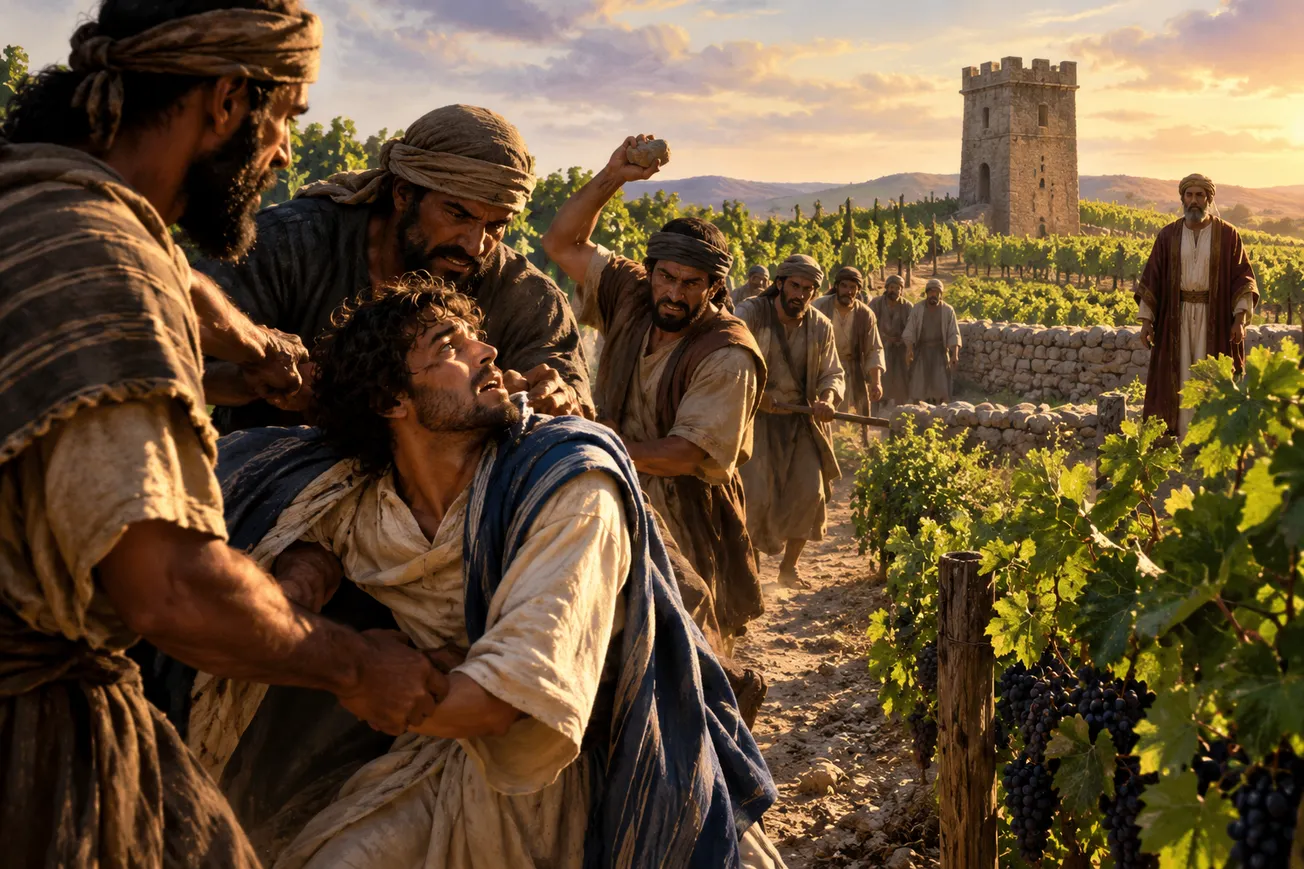
The Church faced something like this almost immediately after its founding. In Acts 6, a complaint arises because certain widows were allegedly being neglected in the daily distribution of food. No one says the apostles hated them. No one claims the community wanted them to suffer. Yet the neglect was real enough to create rupture. The vulnerable were being missed while the Church was busy doing what it believed was necessary.
That is the unsettling part of the story. The problem is not cruelty. The problem is the ordinary drift of attention, and the Church did not answer by denying the complaint or spiritualizing it. It did not say: “Be patient, we are all one in Christ.” It did not pretend that good intentions automatically produce justice. Instead, it treated the complaint as a theological crisis.
Something in the body was being missed, so the Church restructured. It created a new form of accountability and care so that neglect would not keep reproducing itself. In other words, it admitted that growth, preaching, and mission can unintentionally create blind spots. It admitted that spiritual leadership alone does not guarantee equitable pastoral care.
This is where the modern issue comes into play. What if some Black Catholic communities are being abandoned not with malice, but through drift? Not because leaders do not care, but because the Church’s imagination is being captured by numbers, narratives of growth, and institutional survival. Not because anyone wants Black communities to suffer, but because suffering has become expected, familiar, and therefore easier to tolerate.
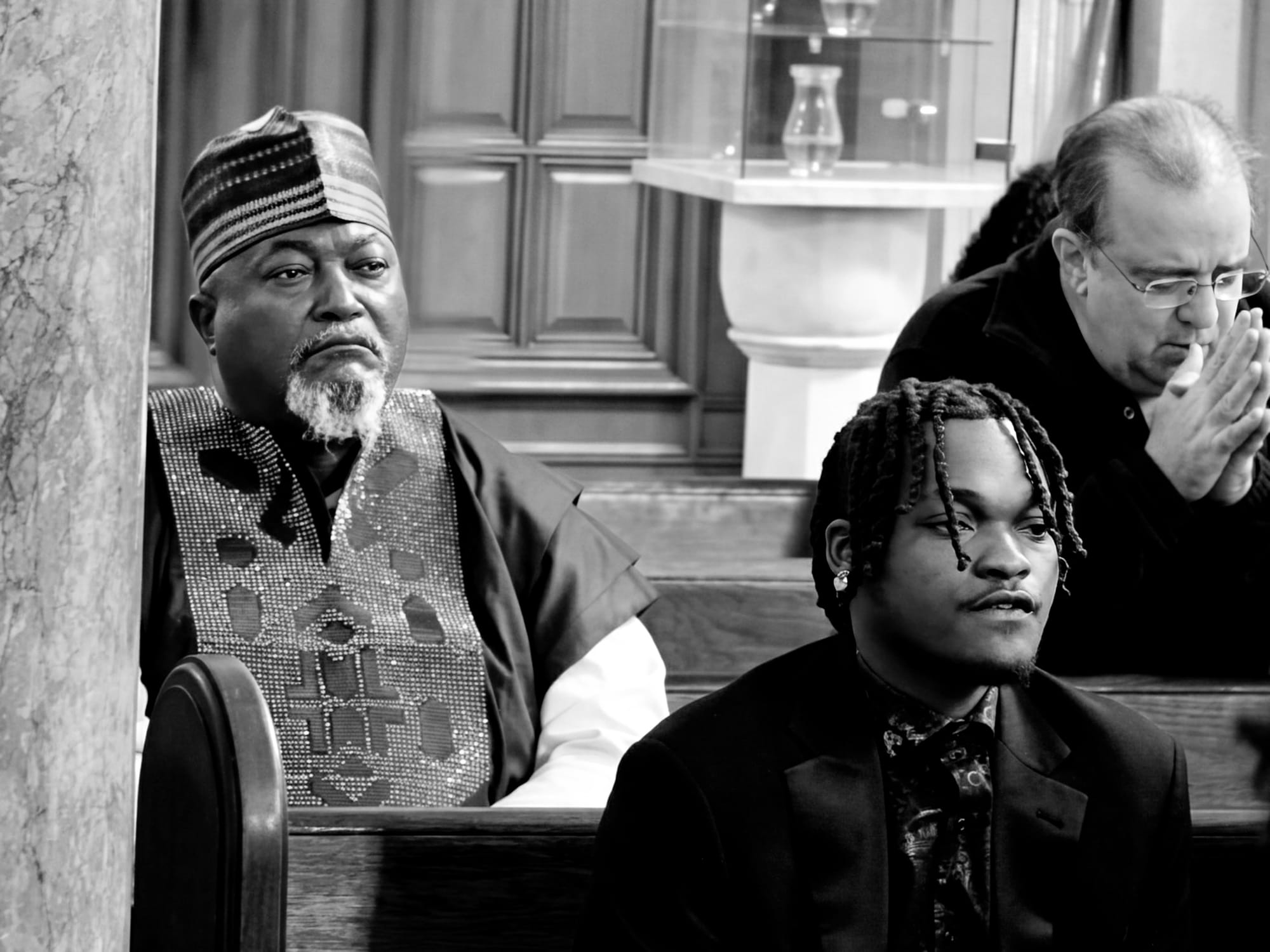
That last part is hard to say out loud, but it is often what people feel. When a community’s pain becomes predictable, it becomes easier to plan around. When poverty is inherited, it is treated as background. When violence is persistent, it is treated like an environment. When a parish survives with minimal resources, it is treated as stable, even if it is quietly exhausted.
And so the Church moves, not necessarily away from Black Catholics, but past them. It reallocates energy toward what seems strategically urgent, while expecting some communities to keep holding themselves together.
Acts 6 refuses that logic. It says that neglect, even unintentional, is still neglect. And if the Church claims to be one body, then the overlooked cannot remain overlooked without the whole body being compromised.
This is not a call to reduce Latino Catholic outreach. That is not the point. The early Church did not solve the widows’ problem by neglecting others. It solved it by naming what was happening and changing the structure so that care became visible, accountable, and shared.
So, the question is not whether outreach to growing communities is necessary. The question is whether the Church can pursue growth without making certain forms of suffering normal. And then, the deeper question: What story is shaping our pastoral imagination right now?
If growth is the only story, then communities marked by structural suffering will always be secondary. They will always be framed as maintenance rather than mission. Their pain will be treated as a fixed condition rather than a call that demands renewed investment. If the Gospel is the main story, then the places where people are still being crushed by inherited systems cannot be treated as background. They must be treated as frontlines.
There is a danger that comes when pain lasts too long. It stops alarming. It becomes expected. Communities living under inherited poverty, chronic underinvestment, and cycles of violence often learn how to survive without relief. They build strength. They develop resilience. They keep worshiping, keep showing up, keep giving what they have. But survival has a shadow.
When a community survives long enough, its struggle can begin to look normal to those outside it. Not shocking. Not urgent. Just part of the landscape. The neighborhood is “like that.” The parish is “used to it.” The families are “strong.”
And so the suffering is acknowledged but not treated as a crisis. It is managed. The danger is not hatred. The danger is familiarity. When a wound becomes familiar, it becomes easier to live around than to heal. And in pastoral planning, familiarity often translates into stability. If a parish continues to function despite limited resources, it is described as stable. If a community continues to worship despite structural pressure, it is described as resilient. If faith persists despite hardship, it is praised for endurance.
But endurance can be misread. Endurance does not mean the need has disappeared. Resilience does not mean the burden has lifted. Survival does not mean justice has arrived. Sometimes endurance is simply what remains when no one expects relief.
For many Black Catholics, this is the raw reality. Faith continues, but it does so while navigating systems that shape housing, schooling, safety, and opportunity. It continues under pressures that are not temporary setbacks but inherited conditions.
And this is where the gasp should come, because the Church knows how to recognize mission when it is new. It knows how to respond when need appears suddenly.It knows how to mobilize when growth demands adaptation, but when suffering is longstanding, it risks being interpreted as environment rather than emergency. And if suffering becomes environment, then the urgency fades.
No one says this aloud, but it can be felt when a community must fight to keep basic ministries alive while new initiatives flourish elsewhere. It can be felt when leadership energy is directed toward future demographics while present wounds remain structurally unchanged. It can be felt when the Church speaks passionately about expansion but quietly assumes that some communities will continue carrying what they have always carried.
For Black Catholics reading this, the point is not to convince you of something you already know. The point is to say this plainly: You are seen. The weight you carry is not normal. It is not simply the way things are. It is not something you were meant to manage indefinitely while the Church moves on to other urgencies. And if the Church believes itself to be one body, then suffering that becomes familiar does not become less serious. It becomes more dangerous, because what we grow accustomed to, we stop trying to change.
To Black Catholics reading this, much of this will not feel new. You have lived it. You have watched parishes hold on with fewer resources. You have seen ministries survive on volunteer strength rather than institutional support. You have felt the quiet shift when attention moves elsewhere and your community is expected to continue without renewed investment. You have learned how to keep going.
But this is not written only for you.It is also written for those who care deeply about the Church and may not see what familiarity has made easy to overlook. From the outside, resilience can look like health. A parish that remains open appears stable. A community that continues to worship appears sustained. A people who keep showing up appear strong, and strength is often mistaken for sufficiency. But strength is not the same as support. What some interpret as resilience is often necessity. What some interpret as stability is often exhaustion. What some interpret as faithfulness is often survival.
To those reading from outside these communities, the issue is not that outreach elsewhere is wrong. It is not that responding to demographic growth is misguided. The issue is that growth has become the loudest story, and when growth becomes the primary lens, longstanding suffering can be interpreted as background rather than mission.Communities still living under structural pressure are not framed as urgent because their condition is not new. Their struggle does not appear suddenly. It persists. And persistence can be misread as permanence. This is where the danger deepens.
If pastoral energy is guided primarily by where the Church is expanding, then communities whose pain is inherited rather than emergent will always be secondary. Their needs will be treated as maintenance rather than transformation. They will be cared for, but not reimagined. Supported, but not invested in. Acknowledged, but not centered.
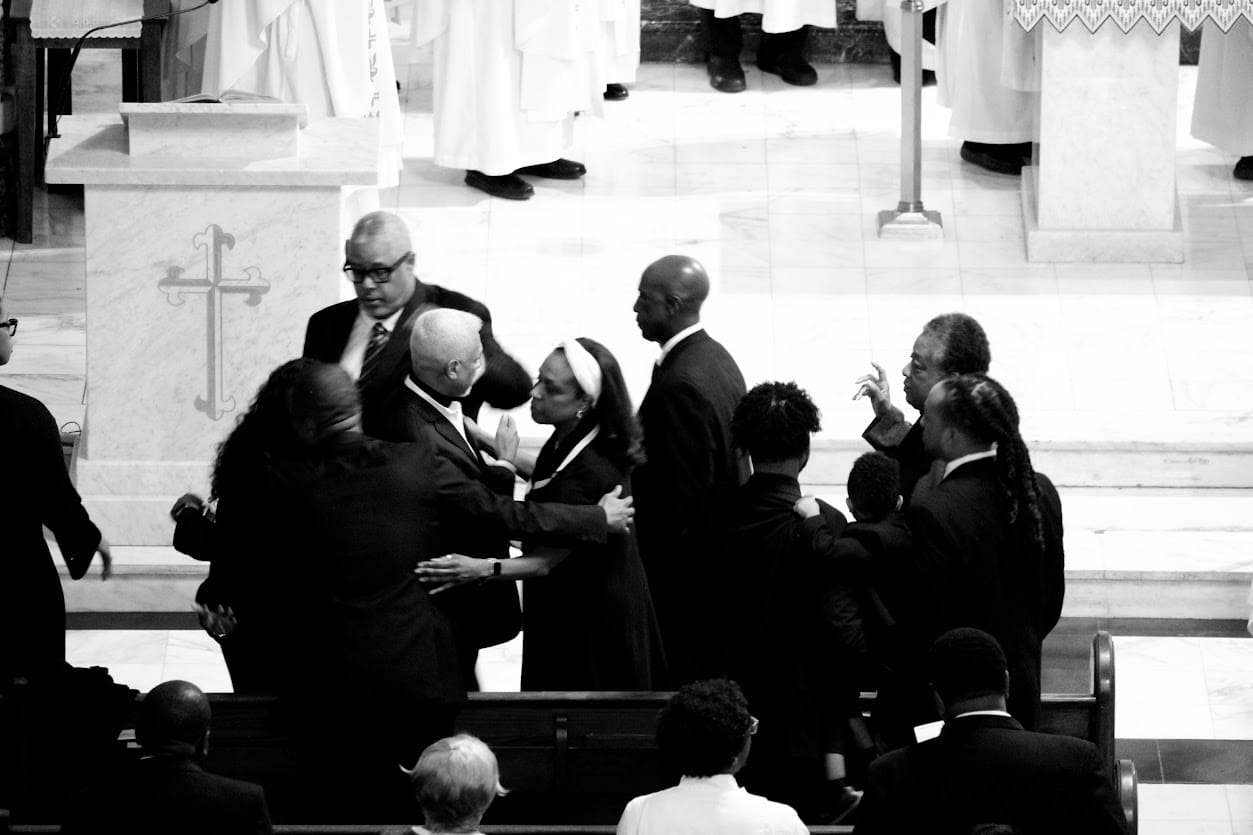
To Black Catholics, this reality often feels like a quiet message. Endure. Keep faith. Hold the line. And many do. But endurance should never be mistaken for consent. It is not agreement with the conditions that produced the struggle. It is faithfulness despite them.
To those reading who help shape the Church’s direction, the invitation is not to feel accused. It is to look again. To ask whether the communities that have carried the heaviest burdens are being seen as sites of future hope or as chapters already addressed. To ask whether pastoral planning is guided only by numbers or also by justice. To ask whether the places where suffering remains most entrenched are being treated as mission fields or as settled realities. Because the Gospel does not only follow growth. It follows need, and if the Church claims to stand with the oppressed, then the communities still living under structural weight cannot remain peripheral to its imagination.
For many Black communities, suffering has never arrived as a sudden crisis. It has lingered. It has stretched across generations. It has taken the form of neighborhoods redlined decades ago and never restored. Schools deprived long enough to normalize shortage. Streets where safety is negotiated daily rather than assumed. Families that carry economic strain not as a temporary setback but as inheritance. This is not new, and that is precisely what makes it dangerous.
Because when suffering lasts long enough, it begins to feel permanent. Not in a theological sense, but in a practical one. People learn to navigate it. Institutions learn to function around it. Society learns to expect it.
In Scripture, the desert is not always a place of punishment. Sometimes it is simply where people are left. Where provision is uncertain. Where the future feels deferred. Where survival replaces flourishing. For some Black communities, life has often resembled that desert.
Faith remains, but it remains in conditions where structural forces continue to shape housing, education, safety, and opportunity. It remains where violence is not episodic but patterned. Where poverty is not incidental but inherited, and over time, it can feel as though the wider world has learned to live with this, not because anyone openly declares abandonment, but because attention drifts. Investment shifts. Urgency fades.
Communities remain, still faithful, still worshiping, still hoping, yet seemingly left to manage conditions that were never meant to be borne indefinitely.
To Black Catholics, this history is familiar. The sense of being asked to endure without relief is not new. It has appeared in different forms across decades. It has shaped how faith is lived, how hope is carried, how belonging is negotiated. This does not mean the Church has ceased to care. But it does raise a hard question: What happens when suffering becomes so longstanding that it no longer disrupts our pastoral imagination?
What happens when a community’s struggle is treated less as a call to action and more as a settled environment? And if this has always been so, does that make it any less urgent now? It must also be said plainly.
Yes, Hispanic and Latino lives matter deeply. The Church is right to respond where people are arriving, where faith is growing, and where pastoral care is urgently needed. But the questions still arise: Do the lives of Black persons matter in the same way? Do Black communities matter with the same urgency? Do Black immigrants matter?
Do the lives of Black Catholics, Black families, Black neighborhoods still struggling under inherited systems matter in the imagination of the Church’s future? The truth is difficult. At times, it does not seem so. Not because anyone declares otherwise. But because what receives attention reveals what is treated as urgent. And what is treated as ongoing is often left to endure.
This is not a call to reduce care for one community in order to elevate another. It is a call to remember that the Gospel does not follow trends. It follows the wounded. It follows those still waiting. The Church must respond to growth. It must welcome new life. It must prepare for the future. But it must also refuse the quiet temptation to accept longstanding suffering as normal, because no community was meant to live indefinitely in the desert, and no people should be asked to carry inherited burdens while the Church turns its gaze elsewhere.
If the Church is truly one body, then those who have endured the longest cannot remain at the margins of its imagination. The question is not whether Black communities still matter. The question is whether the Church will choose to see them as mission sites again.
Fabian S. Adderley is a contextual theologian and pastoral minister originally from the Bahamas. He holds a B.A. in Pastoral Ministry and Philosophy, a Master of Divinity, a Master of Arts in Theology, and is currently pursuing a post-graduate Master of Theology (ThM). His work explores vocation, suffering, and the lived realities of faith within marginalized communities, engaging the intersection of Black Catholic experience, social structures, and the Church’s pastoral imagination.