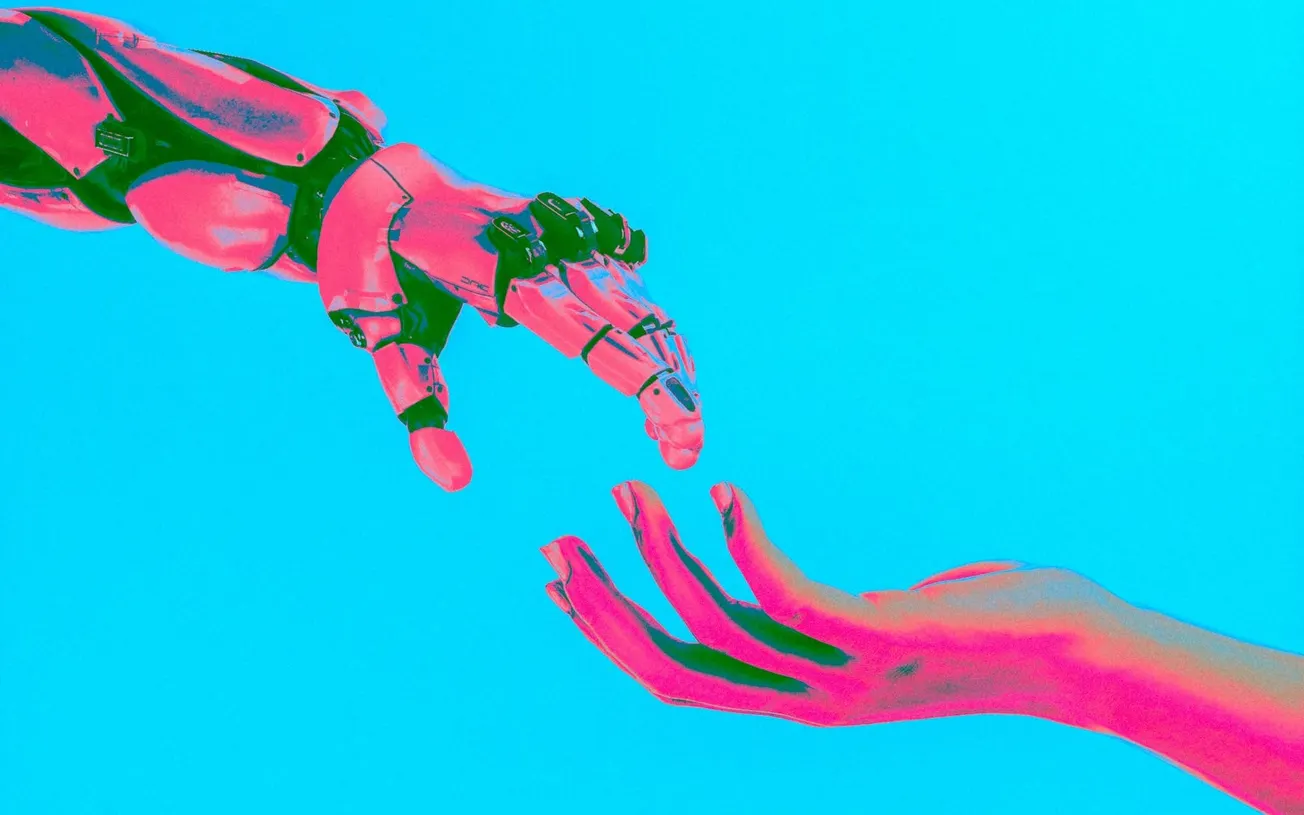

Has anyone given any thought to the potential impact that artificial intelligence will have on the poor people and poor countries in the world?
It may not have crossed your mind. You probably do not think of the technology digital divide or health care divide that exists in parts of the world. The exploitation of natural resources in many nations is probably not part of your daily conversations either. While corporations spend trillions of dollars on AI, the poor remain forgotten and left behind, even though the natural resources in some of their countries are essential to technological advancement.
Government leaders, corporate leaders, as well as corporate and individual investors across the globe are trying to make as much money as possible and will invest in just about anything to do so. Some people remain optimistic and others skeptical about AI and the massive amount of capital expenditure being spent to achieve productivity gains and faster computing power. Fears are spreading that people will lose their jobs, while others are making a fortune investing in related stocks. But again: How will the poor be impacted?
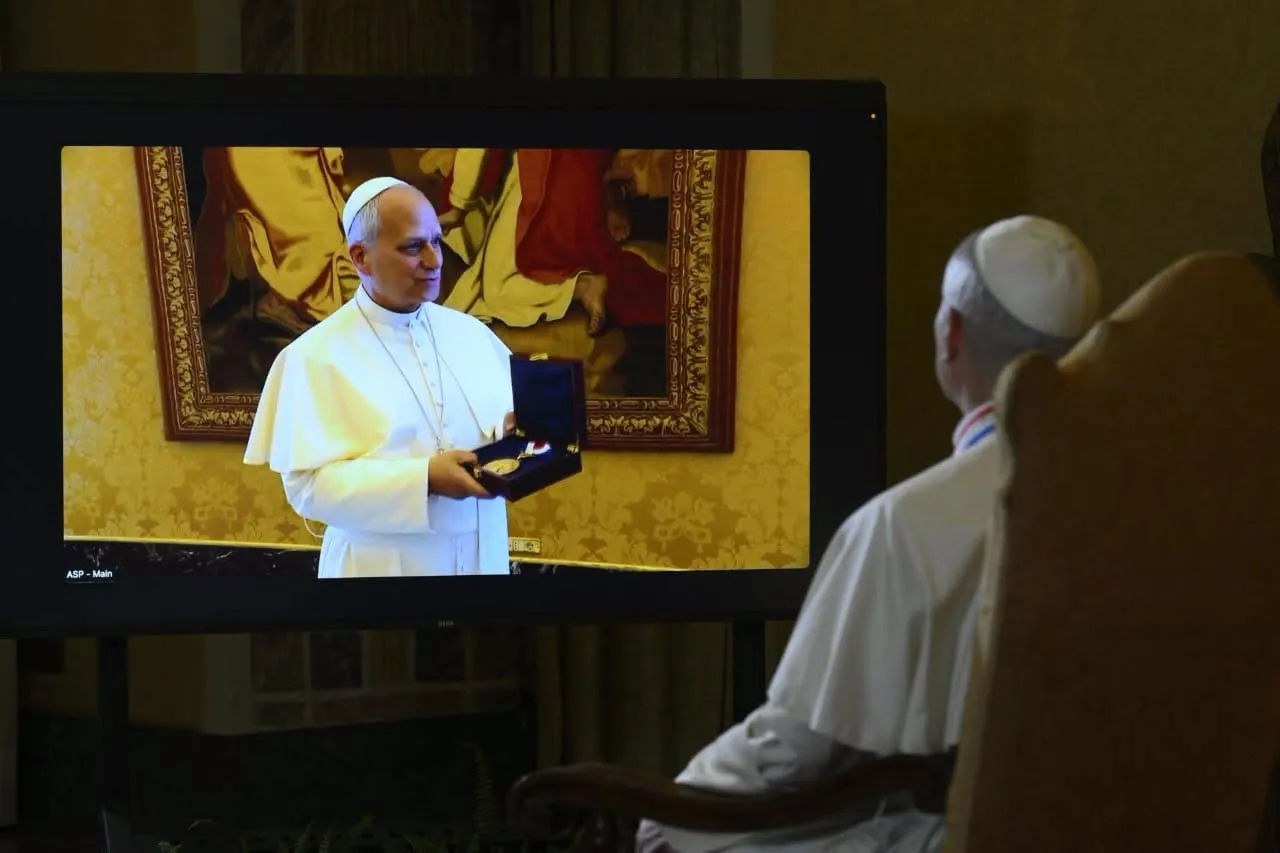
During all of the discourse, I have heard Pope Leo XIV voice concerns about the poor, the exploited, the trafficked, and how AI might impact these respective groups throughout the world. I do not hear people advocating for spending trillions to improve the ability of workers across the globe to earn a liveable wage. Wouldn’t it be wiser to invest in human capacity rather than chips and data centers?
 Efran Menny
Imagine what $2 trillion in global investments could do to end extreme poverty throughout the world. Imagine the infrastructure improvements in water, sanitation, electricity, irrigation, agriculture, health care, education, etc.
Imagine what could be gained from pharmaceutical research facilities located in Africa, Asia and the Americas. Imagine agricultural improvements from improved irrigation systems, farming techniques and enhanced seeds. Imagine reductions in illiteracy through the creation of schools and programs to teach children and adults.
Imagine the end of deaths by curable diseases, the end of starvation, the end of extreme poverty, and the expansion of productive opportunities for people to earn a livable wage to support themselves and their families. Imagine nations able to process and refine their natural resources with their own citizens earning top dollars doing the work.
Imagine an end to civil wars in places like Sudan or the Congo as development creates opportunities to escape extreme poverty and avoid fighting over scarce resources. Imagine an end to the corruption that enriches the few while the many suffer.
Imagine the changed lives. Imagine the impact. Imagine the possibilities. When I think about what the world needs, faster computing power does not appear in the top ten!
As a Christian, I believe the Bible teaches us that we should be focused on elevating all members of humanity to a level where all needs—housing, water, food, education, health, safety, employment, etc.—are met. We should also take care of the planet to ensure it can sustain future generations. If the leaders of the world would create capital improvement projects for the developing world, we might achieve global productivity gains that far outweigh potential AI gains.
Herein lies the challenge: There are significant long-term profits to be made from AI, whereas building infrastructure for the poor provides only a short-term profit for those entities involved in the projects. The standard of living may increase for people who live and work in the improved areas, but there are no guarantees. Add in the possibility of corruption and the prospects get murky, as funds may not be used for their intended purposes in an efficient manner.
In short, the main reason billions of people live in poverty is that there is little profit from helping them. Our society is so focused on profitability and individual gains that we have forgotten our duty to help God's children in need. We should share our favor and blessings with others as God has shared them with us.
 Nate Tinner-Williams
In recent years, the U.S. government under President Donald Trump has significantly reduced international aid and funding for developing countries. We are seeing the impact with the current Ebola outbreak and the increasing number of preventable health-related deaths in the developing world. As Christians, we can and should demand better!
In short, the rich will benefit from AI, but the poor largely will not. A handful of wealthy nations will benefit from AI, but the developing world will not. AI has created lots of millionaires, a handful of billionaires, and the world's first trillionaire, but will AI really make a difference in how most of the people on the planet live? I have yet to read Pope Leo XIV's first encyclical, “Magnifica Humanitas,” but I am encouraged that he is voicing his concerns about this matter.
There is a tremendous opportunity to leverage booming wealth to help the poor while achieving global productivity gains, even if it does not create additional profit. Further, I anticipate that within the next 50 years, business, investment and political leaders may be forced to choose how best to help the masses rather than the few. It is imperative that participation is widespread, as billions of people live in countries where poverty is the norm. Given this, let’s find a way to serve the poor while challenging the world's leaders to do the same.
Ronald E. Smith, Ed.D is a lifelong Catholic who enjoys writing. He is a Rotarian, member of the Thea Bowman Council #406 of the Knights of Peter Claver, and a parishioner at St. Edward the Confessor Church in Dana Point, California, and St. Paul’s Catholic Church in Rubuguri, Uganda. He and his wife Sandy recently founded Friends of St. Kizito Rubuguri Primary School in Rubuguri, Uganda, where they serve as missionaries. He can be reached at resmithinc@aol.com.