The current moment appears to be one of profound significance for American Catholics. We, like everyone else in the world—Protestants, Muslims, Hindus, Buddhists, Jewish people, agnostics, atheists, and all the others—are still human. As humans, we have a remarkable capacity for courage, transcendence, and compassion, alongside a tendency toward selfishness, indifference, and even violence. Catholics are as imperfect as everyone else. Flaws exist alongside strengths and generosity.
These times mark a pivotal moment in the public face of the Catholic Church. While most people understand the word “Catholic” to mean “universal,” the original Greek word is more nuanced. It comes from the words kata and holos, together meaning “pertaining to the whole.” More to the point, it is understood as indicating unity in difference. In the Catholic usage, there is a sense that individuals are most human when in solidarity with others—even, and especially, with those who are different from us.
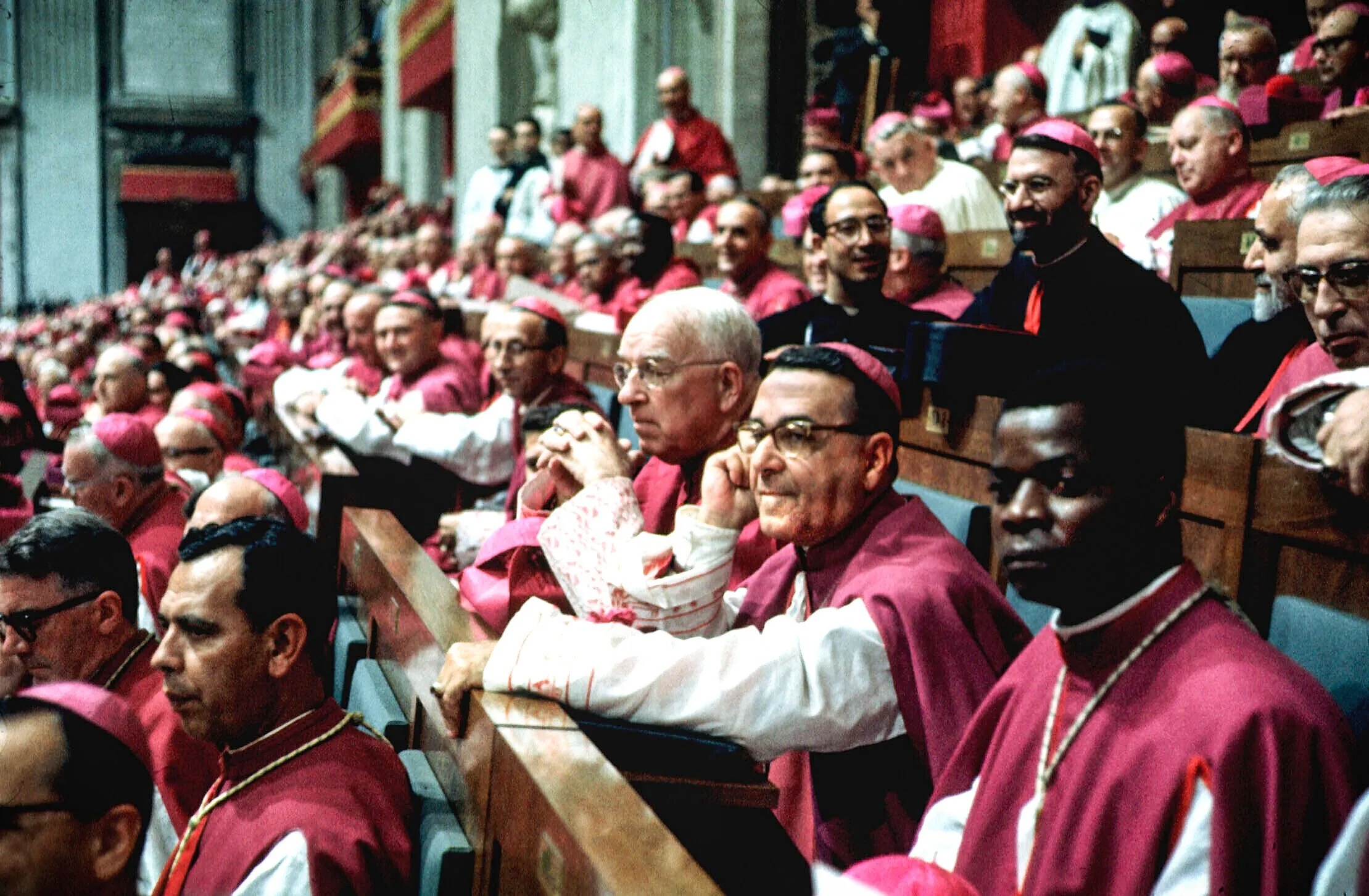
Catholics believe in Jesus, his Gospel, the Beatitudes, and the legacy left by saints such as Francis of Assisi and many others. Catholics also adhere to Catholic social teaching. One of the clearest elements of CST is found in “Gaudium et Spes,” the Second Vatican Council’s Pastoral Constitution on the Church in the Modern World. The world's Catholic bishops approved this document in 1965 by a vote of 2,307 to 75. The document says:
“The joys and the hopes, the griefs and the anxieties of the men of this age, especially those who are poor or in any way afflicted, these are the joys and hopes, the griefs and anxieties of the followers of Christ.”
Catholics also believe in the real presence of Jesus in the Eucharist. Some Catholic theologians assert that Christ’s presence in the bread and wine simply confirms that he is also present in and among those gathered together at the Mass. The Eucharist confirms that the Church is Christ’s Body on earth, and thus is called to do “greater works” than Jesus did (John 14:12). We then are called to be Christ on earth, bringing hope, healing, and love to all in need.
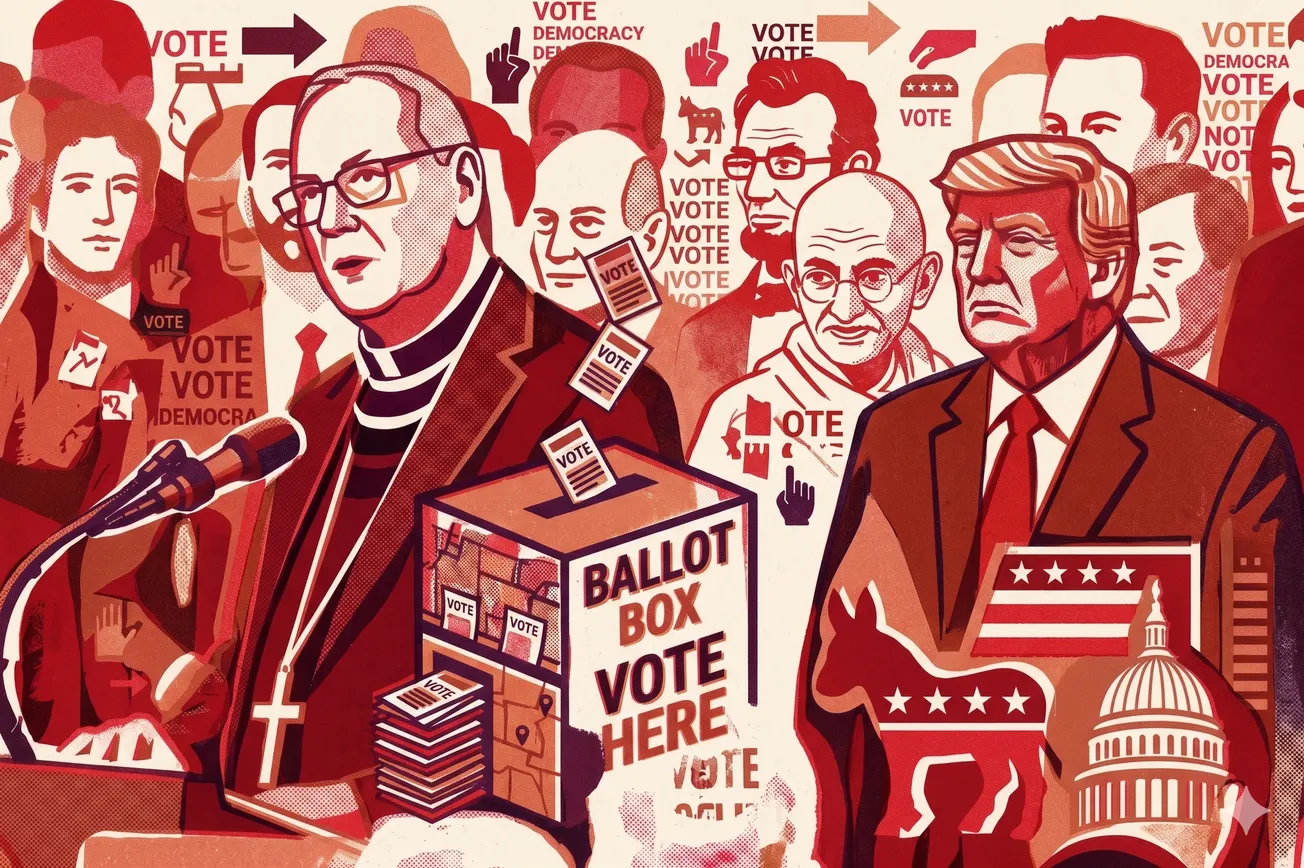
Considering these teachings, I am dismayed that 60% of voting White U.S. Catholics chose Donald Trump and JD Vance in the 2024 election. It is safe to say that without these voters, they would not be in power. Can anyone tell me what from the above Catholic teachings is reflected in the current White House’s rhetoric and policies? Political realities can never reflect religious ideals, but there should be some resemblance.
I am at a loss to understand how my fellow Catholics ignored the obvious examples of immoral, racist, and heartless behavior from the president and cast their ballots for him—not once, but twice (and for some, even three times). His words and actions before his first term, during his first term, and up to today have nothing in common with the Gospel, Catholic social teaching, or the common good.
I don’t even know where to begin: Bragging publicly, and on video, that his wealth enables him to grab women wherever he wants. His blatantly inaccurate and racist assertions about hard-working immigrants. His support for the 2021 attack on the U.S. capitol. These all happened before the 2024 vote, and that brief recap doesn’t express the extent of his racist, bullying, sexist, arrogant, and homophobic assertions and positions.
 Dorothy Dempsey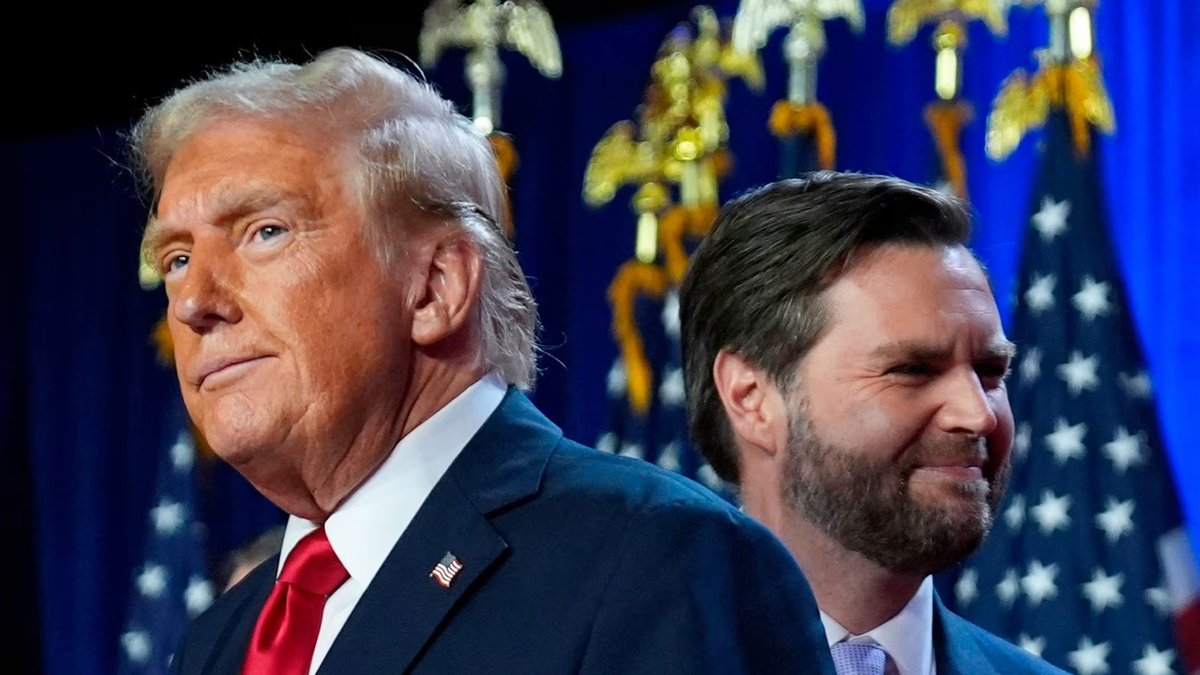
The daily harm of Trump’s actions is beyond belief. They now include unnecessary global health-related deaths, reductions in domestic health services, and now a pointless war with Iran. I am on the board of Leadership Foundations, an organization serving vulnerable populations in 50 cities in the U.S and around the world. Every week, we hear of the devastating impact of federal funding cuts on family and health services in poor communities. At the same time, speaking English with a Spanish accent or a brown complexion can constitute “probable cause” for you to be dragged out of your car by masked men and hauled away to a detention center and eventual deportation.
Each day we are assaulted with an increasing deluge of bullying and violent behavior. Telling reporters who question him, “You are not a smart person”; bombing other nations and killing schoolchildren for no apparent reason; and bragging that his senior advisor Stephen Miller won’t be happy until “everyone in this country looks like him”. Still, from what I read and hear, the majority of White Catholics continue to support Donald Trump.
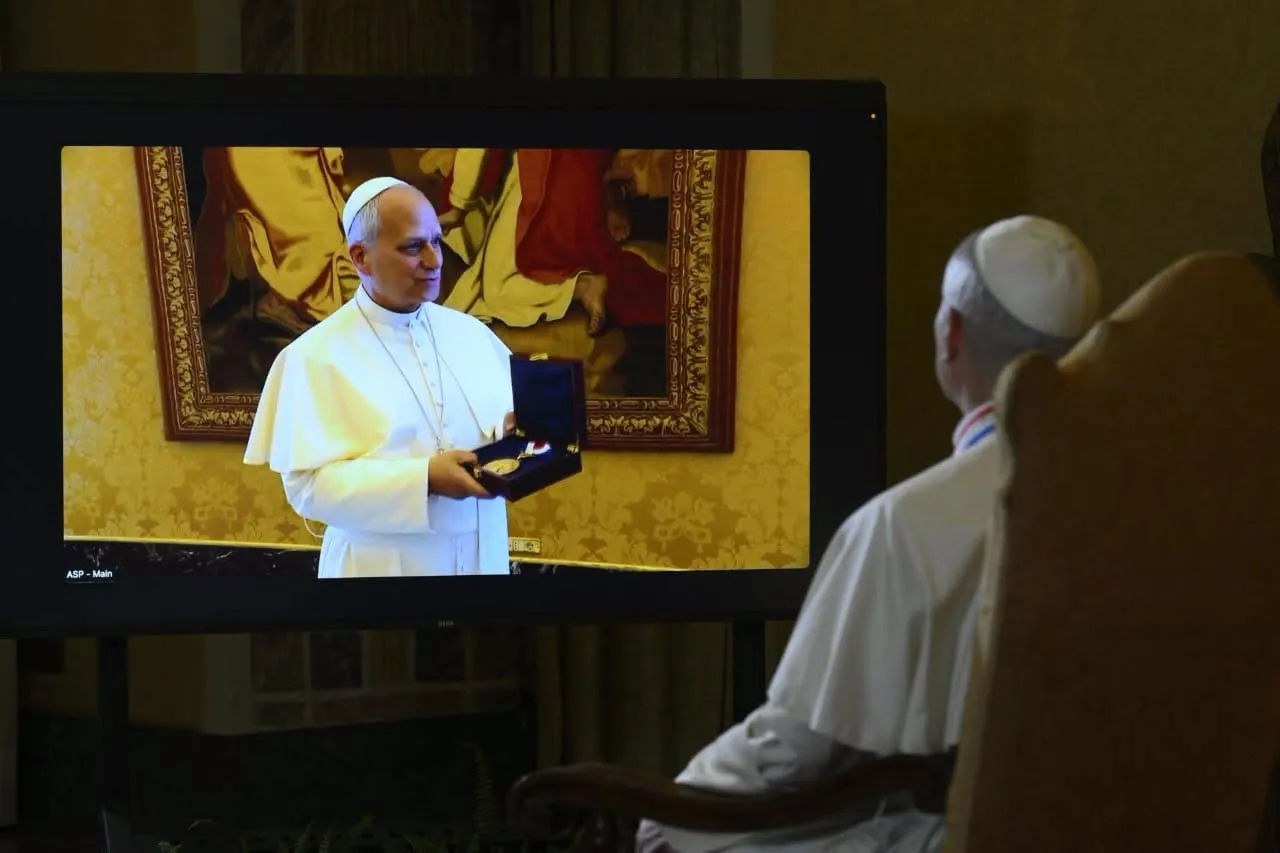
Pope Leo XIV has repeatedly called for peace on earth, using the words of Jesus. Our president has ridiculed him, while his vice president (Catholic for five years) scolds the supreme pontiff and tells him to be careful on matters of theology and to stay in his lane.
I ask my fellow Catholics: Where is your allegiance? To a man who bombards us daily with lies and cruelty, or to your Catholic faith? Our Church is led by a man who has given his life to the Gospel and to humanity, as a priest, a servant of the poor in Peru, a bishop, and now as pope. Our nation is led by a man who has spent a lifetime demeaning and marginalizing the poor and vulnerable.
Do you stand alongside a man who proclaims, “I alone can fix it” and “[The pope] should stop catering to the radical left,” or with a pope who follows the one who taught, “Blessed are the merciful” and “Blessed are the peacemakers”? Which side are you on?
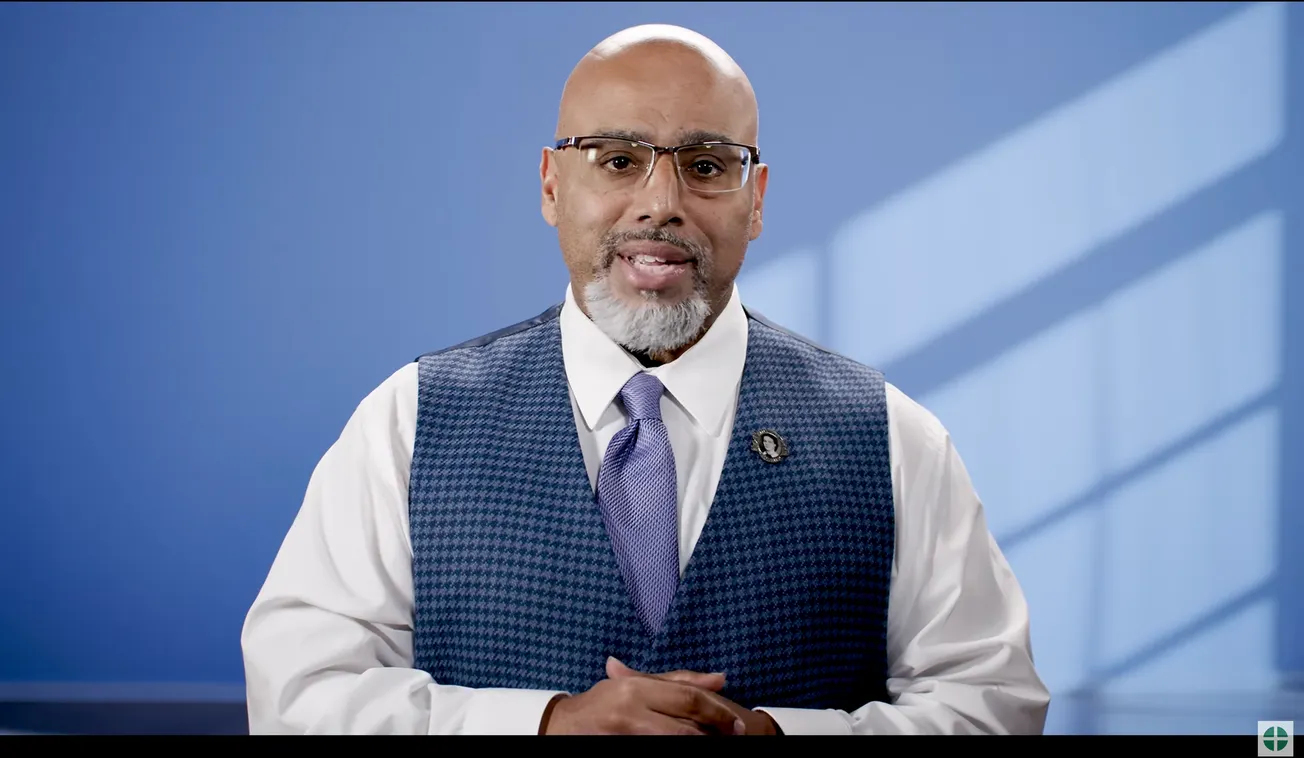
Daryl Grigsby is founder of a Black Catholic men’s gathering, is on the Board of Directors of Leadership Foundations, and is author of “Catholics For the Common Good: An Eternal Offering.”