
In 2008, the Gulf Coast of Texas was bombarded by a catastrophic Category 2 hurricane that had a significantly heavier impact than anticipated. Though our home suffered immeasurable wind damage, the storm caused us to experience some water rationing that I had never encountered with previous storms. There we were in post-disaster humidity and heat without electricity, struggling to stay hydrated against the backdrop of the sun outside and an older-built home with an insufficient cooling system
There we stood—thirsty, sweaty, and desperate against the heavy heat. Thankfully, armed services and non-profits would eventually deliver caseloads of water, but for days, I understood firsthand the plight of many brothers and sisters during Hurricane Katrina just a few years prior who struggled with water scarcity during the post-disaster period.
It was this very experience of surviving Hurricane Ike that set me on a journey toward greater environmental awareness, gradually deepening my appreciation for the moral duty to care for creation and our neighbor. However, recent reactions to Pope Leo’s own emphasis on the need for greater stewardship of creation reveal that more people may also need to join this journey.
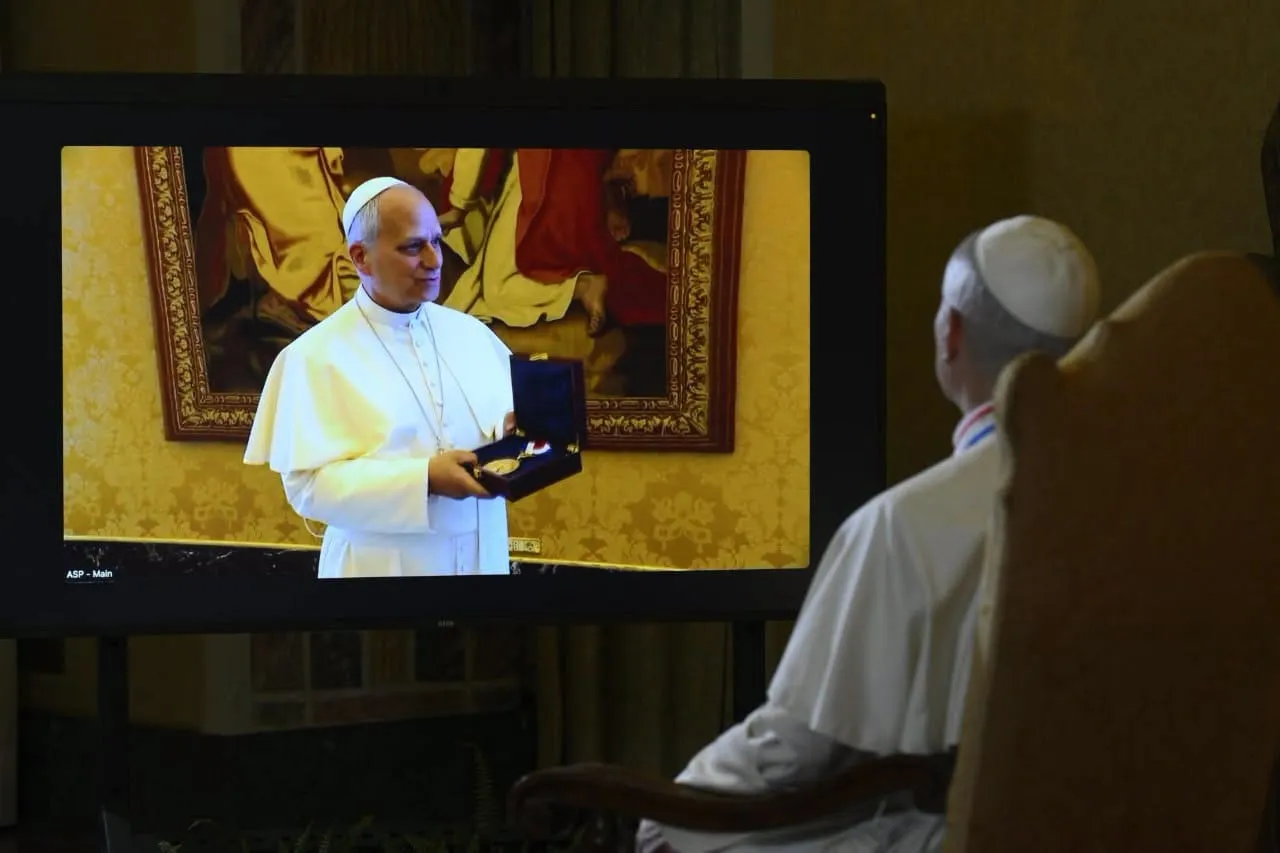
In a world where nearly 4 billion suffer severe water insecurity once a month during the year, Pope Leo XVI has continued to echo this call for the Church to be witnesses of caring for creation. Continuing Pope Francis’ theme of ecological conversion, Pope Leo invited the Church in September to pray for the care of water.
Exhorting not only the Catholic Church but also the global community, he desired for the scope of its application to be wide. In his intentions, he pleaded with the global community about the need for personal responsibility that reflects devotion to God:
“May our care for water be a sign of love for the Creator and a commitment to the lives of the poor, educating new generations to value and protect the Earth’s resources.”
Pope Leo’s call for greater moral responsibility and stewardship of this lifesaving natural resource connects to various aspects of the Catholic faith.
In light of the disparaging social media comments in response to his words, labeling his teachings “Marxist” and “liberal environmentalism,” it is clear that catechesis and conversion in this area of care for water is needed. In the following article, I outline how Pope Leo’s exhortation for greater stewardship for creation, particularly as it relates to water, connects to Catholic Social Teaching and broader theology, alongside suggestions on how to begin living out this call.
Water as a gift from God
Because of its essential importance to our livelihood as a provision from God, water is an important aspect of Catholic Social Teaching. Our powerful gospel-infused framework for addressing the social needs of our reality compels us to see water in its proper theological understanding.
As a matter of theology, water is an essential sacred gift from the Creator. In the creation narrative in Genesis, God created the world as a means of reflecting his love. In the process of this grand act of benevolence, water is a special gift to sustain life. In his divine charity for those he created, God, through water, provides a way for all of creation to be nourished, serving as a constant reminder that He hasn’t abandoned his Father-like role as provider.
Water also plays a salvific role in the story of salvation. In the Old Testament, God uses the miracle of the parting of the Red Sea during the release of the Israelites from captivity to demonstrate his desire to save his chosen people. Once more, in Judges 6:36-40, God uses dew on Gideon’s fleece to symbolize his promise to save Israel. In the New Testament, this usage of water to symbolize salvation continues most prominently in the institution of baptism as a sacrament by Christ.
Altogether, these examples reveal God’s usage of water to communicate his desire to love, sustain, and save us. In giving Adam and Eve dominion over the Earth, He allowed his creation to not only receive this gift of love but steward it, ensuring that all may have access to this life-saving gift
Water is a matter of human dignity
On matters of social teaching, water and human dignity are intertwined. Every human life, regardless of matters of socioeconomic status, geographic location, and race, is sacred because every person is made in the likeness of God.
Catholic social teaching also invites us to consider the principle of solidarity, which underscores that we bear a responsibility to all. The importance of our interconnected nature as a human family demands that we all be able to partake in the abundance of goods. In this fraternal unity, we recognize that our communion, not only in the Church but also as citizens of our common home, requires us to consider the well-being of others.
Therefore, as Catholics, if we profess and believe this profound theological and social teaching, it is incumbent that we move away from the understanding that our concern for water is an environmental concern. Putting this topic in a narrow box only limits our capacity to effectively achieve justice that everyone is owed, which leaves billions in dire life situations.
Loving our neighbors means protecting their access to water
To break this stronghold, we all have to start with a greater understanding of what Jesus Christ meant when he gave us the commandment to love our neighbor. Christ calls us to something greater than empty lip service. Loving our neighbor compels us to consider the spiritual and material conditions that allow them to exist with dignity. With this understanding, the struggle for water access and conservation is something that isn’t just an international issue in developing economies but something that is present to us in America. For Black Americans, the topic of water scarcity is a topic that connects deeply with our complex history in America.
In the last decade, this conversation has been a recurring stain of failure by the government to provide for Black communities. The Flint water crisis was a massive public health nightmare that led to former President Barack Obama declaring a state of emergency due to lead contamination. In 2022, Jackson, Mississippi, faced a similar emergency when catastrophic flooding led to damage at a water treatment facility that impacted 180,000 residents without access to water. Coupling this familiar failure with decades of disinvestment and neglect from local and state officials, the problem finally struck the Black-majority city, which further diminished our willingness to trust emergency response preparedness.
Going beyond the experiences of Black Americans, water scarcity and conservation present challenges to our brothers and sisters across the diaspora who live in developing economies. In Haiti, considered the poorest country in the Western Hemisphere, access to clean & safe water is a serious concern. Also in the Caribbean, nearly 3 million Cubans experience severe water shortages that impact their lives due to oil shortages. In Africa, about 411 million people don’t have access to basic water services.
From prayer to action
In these instances, the message of the Church is essential: we all have a moral responsibility to understand how our lives are connected even when separated by geography. Our faith requires us to go beyond understanding to action. Water is fundamental for human life, and everyone has dignity and worth as a creation of God; the poor and vulnerable have less access and should be the concern of the Body of Christ. That same water that baptized our savior is the same resource that is required for our neighbors to participate in society.
It is common when large-scale water crises happen; we offer prayers. Though a good faith-filled action, our focus shouldn’t end there. Instead, we should form our consciences to explore the depths of the situation to see it from a different approach. Questions about the systems at large, the history of the residents, and how all these interact to make the present situation today are important to consider. It is through this intentional act of forming our conscience better that we understand how some communities have unsafe water, failing infrastructure, and scarcity of resources. When we form our consciences in this way, the love God requires of us becomes more apparent as we consider the ample threats to the dignity of life. Altogether, this should lead us to examine ways we waste and consume and the broader implications for care for our common home. From personal conversion, we understand the large macro-level issues related to access and caring for the common good.
Through such conversion, we as Catholics can truly become examples of light and the salt of the Earth as Jesus calls us to be (Matthew 5:13-16). From local efforts to supply water resources to organizations that respond to large-scale crises to simply sharing the need for such efforts with fellow parishioners, there are ways we can and must get involved to champion this global concern.
For when water is understood from both a theological and social standpoint, the implications will reverberate across our worlds. Not only will our appreciation to God become deeper, but this devotion will also evolve into deeper fraternal unity across the world and love of neighbor
Black Catholic Tradition and the call for water justice
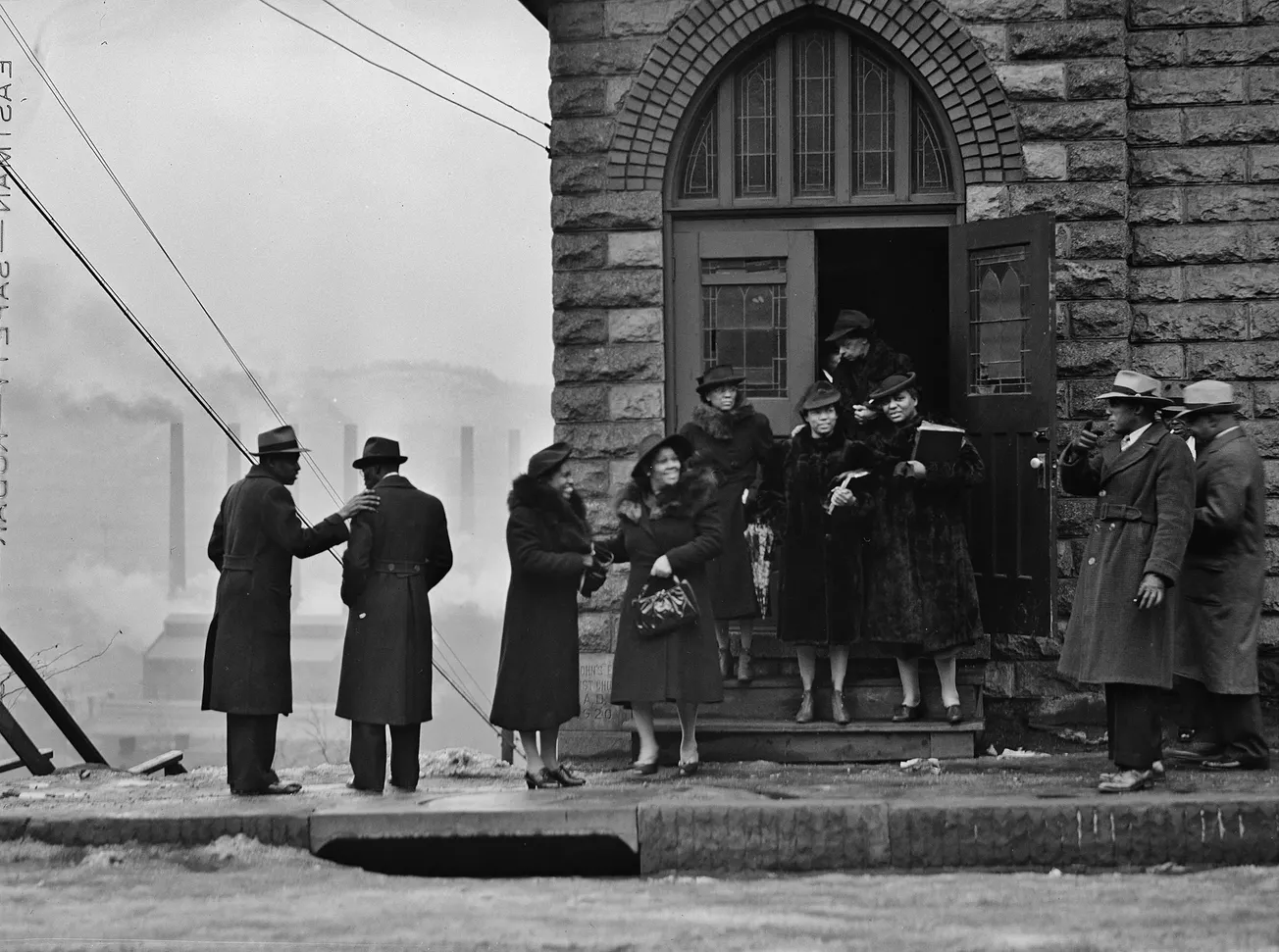
Black Catholics have always been on the vanguard of societal conversion by demanding that structures of sin, including governments and agencies, as well as society, change their disposition to move from lukewarm charity to transformative action. Between the impactful preaching of Thomas Wyatt Turner, Servant of God Thea Bowman, and modern-day clergy such as Fr. Bryan Massingale, time and time again, we’ve been the ones to champion the vulnerable and historically marginalized in preaching and teaching.
This struggle for water justice and awareness should be no different. The Black Catholic tradition demonstrates that simple sympathy is not sufficient for action. Whether it's water scarcity across the diaspora, contaminated supply, or underinvested infrastructure, Black Catholics can move the needle of concern and urgency.
Efran Menny is a husband, father, and regular contributor to BCM. His work is informed by his experience as an educator and his studies in social work. He has a passion for elevating topics on justice and theology for Black Catholics.