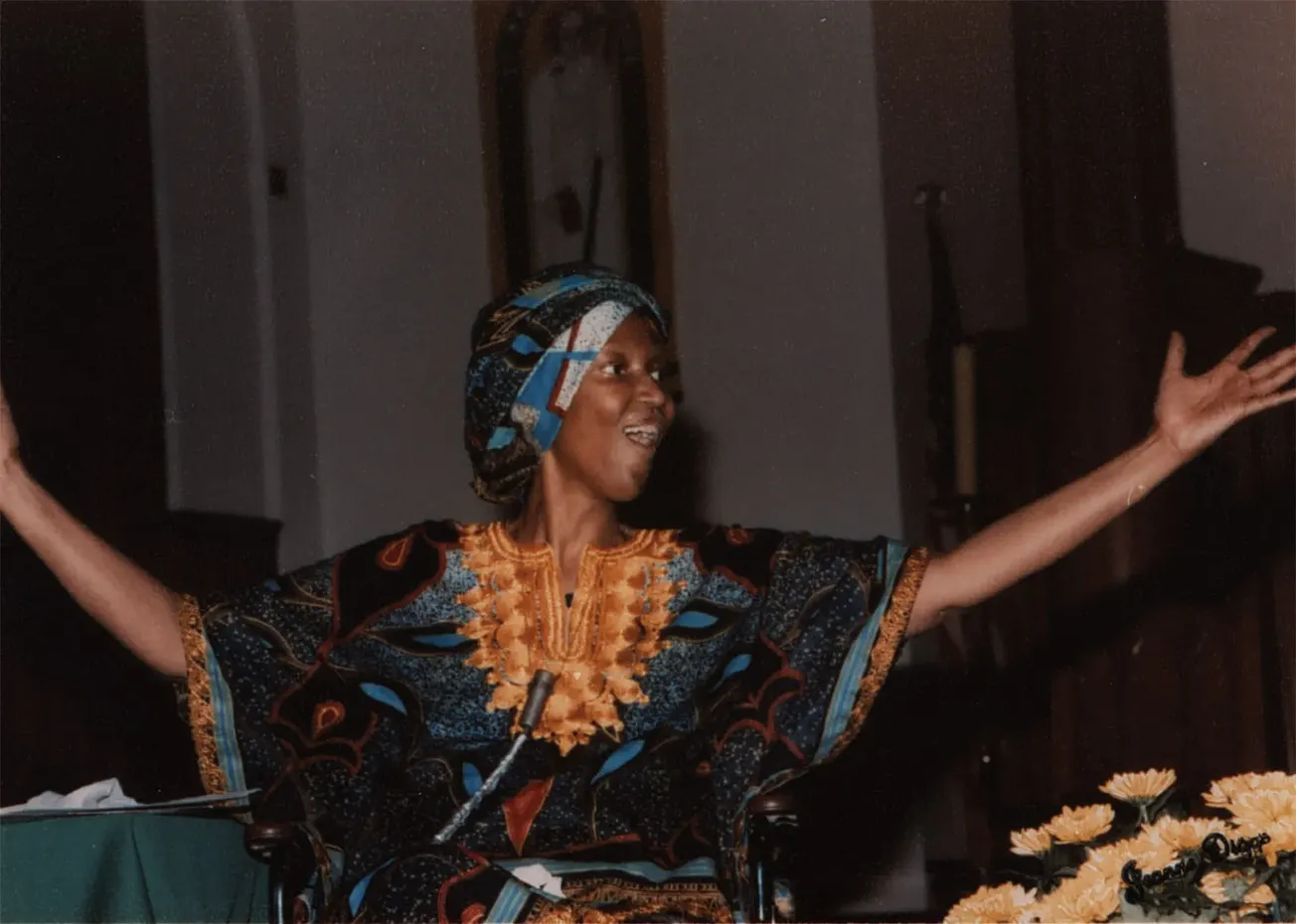
The Second Vatican Council did not hesitate to emphasize the importance of preaching. Sometimes as Catholics we may downplay the role of good preaching. However, “Ad Gentes,” the conciliar document on missions, uses very precise language:
“The chief means of [planting the Church] is the preaching of the Gospel of Jesus Christ.” (AG 6)
According to this understanding, ministers are expected to deliver inspiring homilies whereby the people of God hear the Gospel and are then able to share the message with others. Preaching and testifying have been the Church’s tradition from its earliest days until the contemporary moment. Preaching the message of Jesus can lead people to have an encounter with him.
Black Christians tend to value preaching more than other groups. Black Catholics are no exception, as there is an expectation of inspiring and thought-provoking Sunday sermons at Mass. We hear the proclamation of the Gospel during the celebration of Mass. Ideally, we can reflect and contemplate the Sacred Scripture, attempting to understand how this impacts our daily life.
We all need to hear good preaching. Moreover, in the ideal world, this would be reflected in all of the Catholic churches across North America, emboldening us as the Christian faithful to give witness to Jesus. Undeniably, a good homily will inspire and place greater assurance in the practice of our Catholic faith. Preaching helps to illuminate the eyes of the faithful.
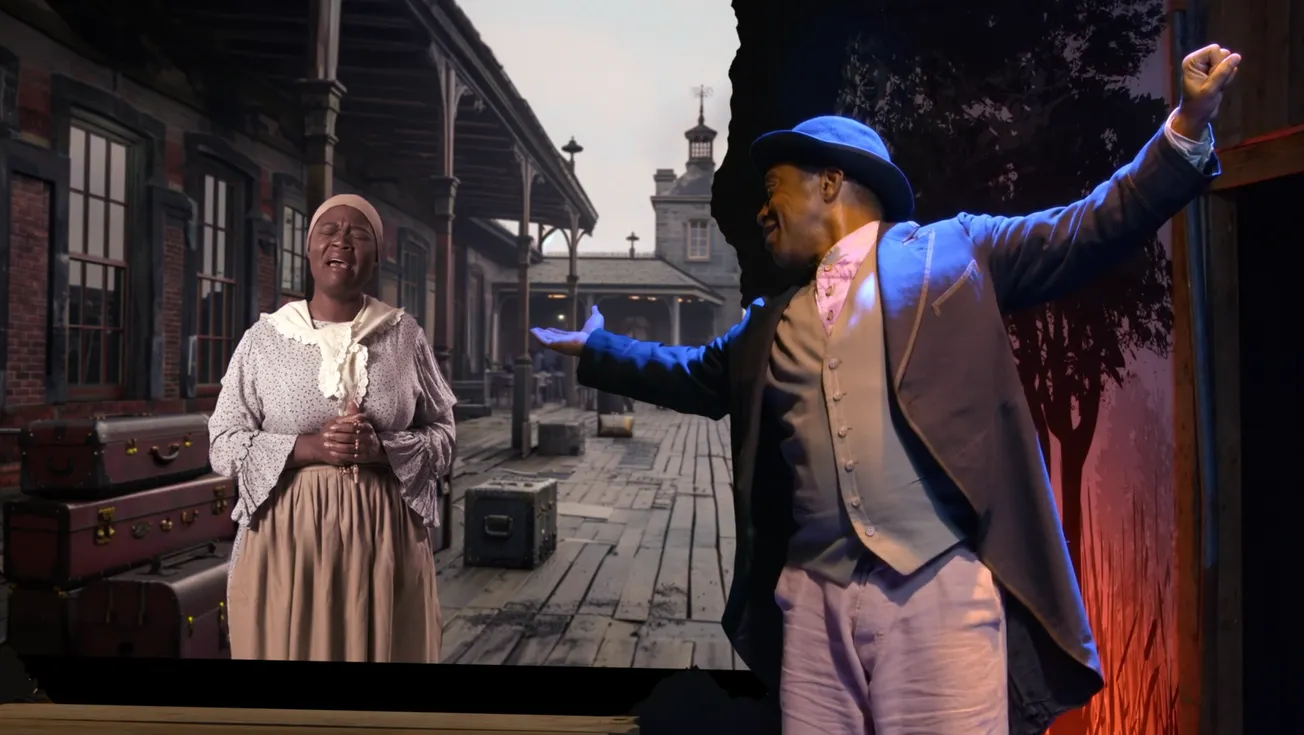
It is noteworthy to recognize that “good” preaching (Catholic or Protestant) has always been meaningful and proved inspirational for Black people. During the antebellum period in the United States, enslaved Africans escaped to dense forests, cabins, or homes/shacks for praise, worship, and the inspiration taken from hearing the Gospel message. Those who could read would share Scripture aloud, inspiring and uplifting the community of believers. This was always a pivotal moment, as those present heard and ultimately believed that Jesus had a message for them. This was the message of freedom.
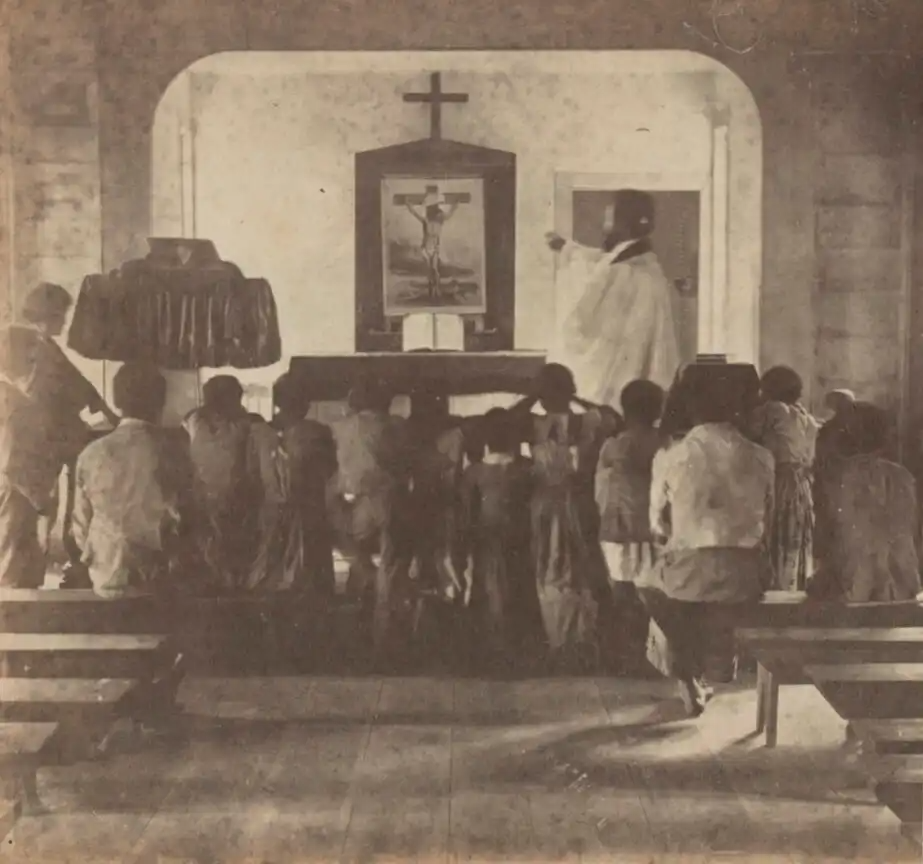
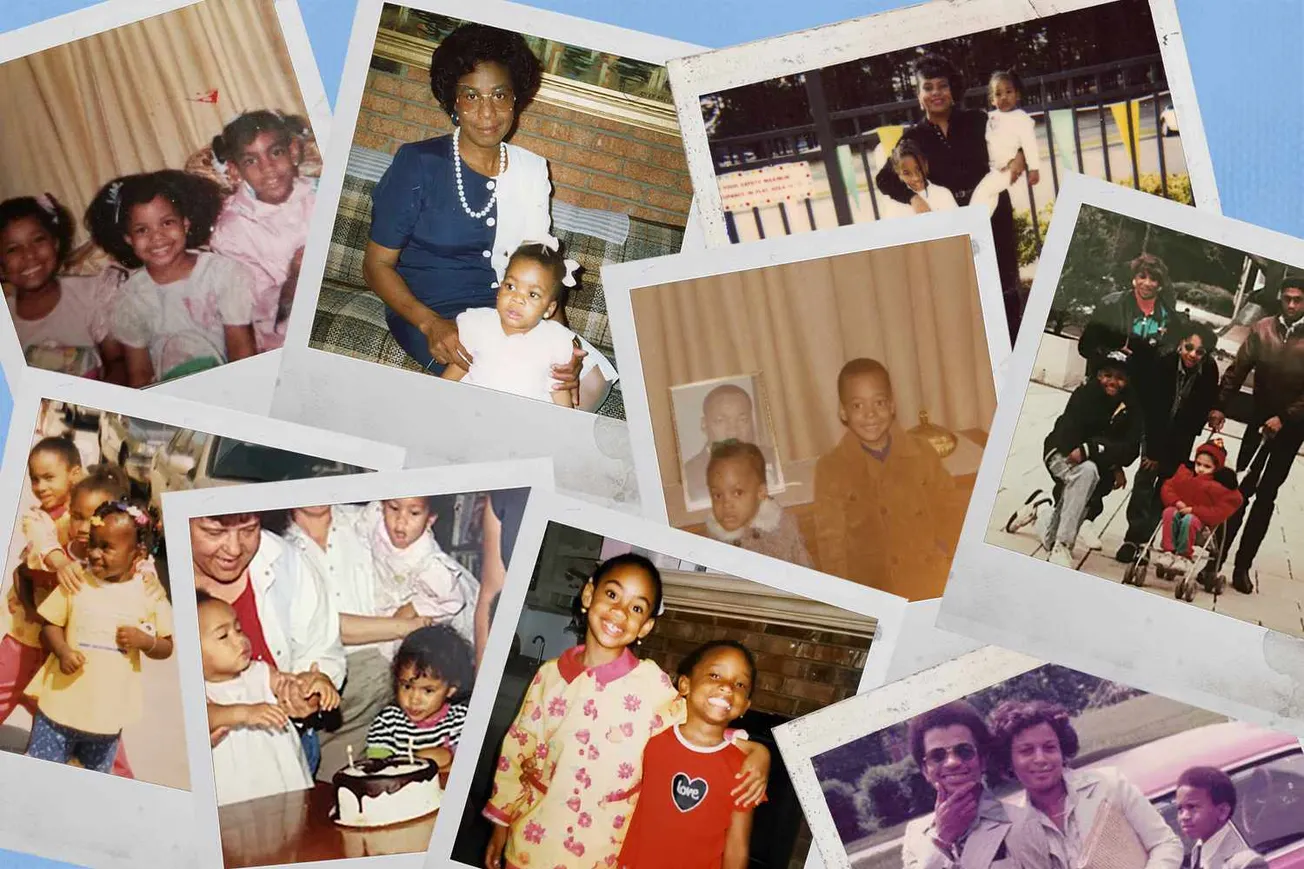
The desire to preach is also found among Black women. Women, who are most often the majority in the congregation, are also the primary teachers of the faith in the home. Passing on the tradition to children and grandchildren has occurred over several generations among Black Catholics, who often begin their personal testimonies by sharing the spiritual importance of a Christian mother or grandmother. Women have always testified within our tradition and did not hesitate to proclaim the Gospel in various settings like their own homes, among friends, extended family members, and anywhere that was open and receptive. In doing so, Black women boldly asserted the truth using the platform available to them, using their voices to spread the message of Jesus.
The Gospel of Luke shows this in practice with the encounter Jesus had with the woman at the well. Once she received his message, she did not hesitate to evangelize, sharing this joy with others. She was able to preach the truth because she had a personal encounter with Jesus. In the Gospel of John, Mary Magdalene becomes one of the first to preach Jesus after his resurrection. She had been unable to recognize him until he called her name, but immediately thereafter, she preached with the hope of inspiring the apostles to move from fear and hiding into the continuation of Jesus’ ministry.
Most importantly, the Blessed Mother gave her “fiat” as her willingness to participate in the story of salvation. Her preaching, although subtle in most of the gospels, carries great meaning. In the infancy narrative, however, we hear her beautiful Magnificat as she eagerly shares her testimony and experience with her cousin Elizabeth. Mary proclaims with joy the light she carries within her, a testimony to the power of the Gospel.
These are but a sampling of examples of biblical women who have found ways to communicate the message of love, liberation, and salvation within their respective communities.
Allow me to ask a provocative question: If the Catholic priest or deacon simply does not function well in their preaching capacity, why not allow the women of faith to share the pulpit? To be clear, I am not making an argument about women’s ordination. However, I am declaring that women (religious or lay) have a strong presence and voice in the Church. The gift of preaching should be for the benefit of the Church in the worship of God.
Black Christian women naturally preach to inspire their children, grandchildren, friends, and others. They share their personal narrative in dialogue with the life and ministry of Jesus and preach hope and understanding to anyone who requests their spiritual mentorship. With their love of the Scriptures and fidelity to the Church, Black women continue to proclaim the message and salvation found in Jesus. Black women have a unique capacity to preach to people in the midst of their daily circumstance, which moves listeners closer to God as they begin to see their own lives in light of the Gospel.
Black women also preach in prayer groups, Bible studies, sacramental preparation, retreats, and the like. Each of these settings requires them to speak with passion the truths found in the Scriptures and the message of hope found in the belief in Jesus. The Black women who volunteer their time to take on such endeavours do not hesitate to preach the Gospel, because they have a personal relationship with Jesus. This relationship is one that is to be shared for the benefit of all people.
Ultimately, clergy are not in abundant supply in our Church. Those who are fulfilling their vocation on behalf of the people cannot reach the breadth of the Christian faithful. Given this, the preaching of Black women who are filled with the Holy Spirit and who have devoted time to study and reflection can bear a powerful witness. Today, Black Catholic women are more than capable of fulfilling this role.
Finding opportunities to place women in leadership roles became a Vatican priority under the tenure of Pope Francis. However, given the present realities of the Church and the ongoing clergy shortage, the time is dawning to create new approaches and meet pastoral challenges.
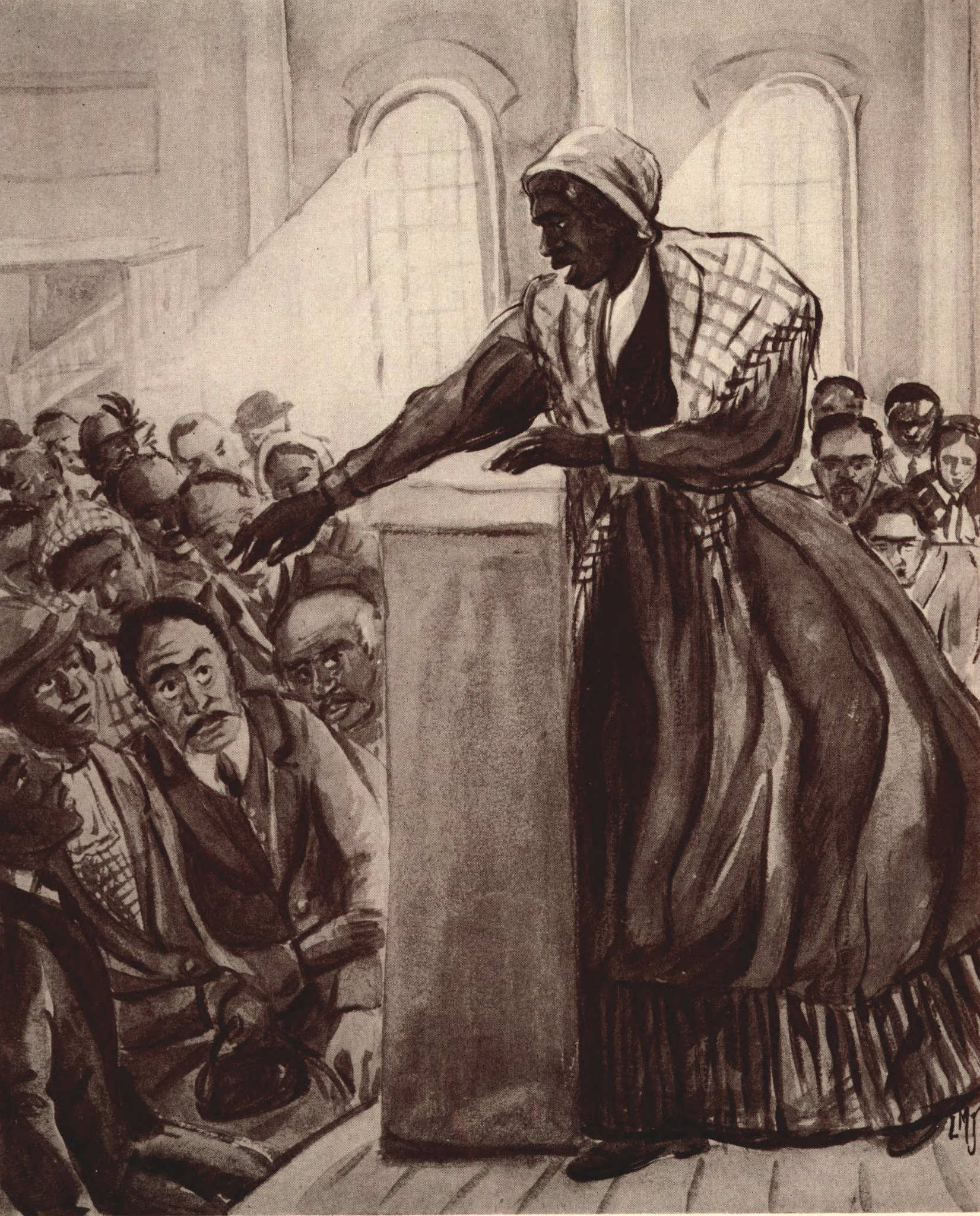
In her 1851 address at the Women's Conference in Akron, Ohio, Sojourner Truth delivered her famous “Ain’t I a Woman?” speech. Despite her lack of theological training, her words are worth noting and still bear fruit today:
“And how came Jesus into the world? Through God who created him and woman who bore him. Man, where is your part?”
Her words are powerful not only because they are true, but also because she demonstrates beauty and simplicity in proclaiming Christ. Black women, either formally or informally, have continued to preach and give bold testimony to the Biblical narrative, especially the message of the Gospel. Black women’s experiences can speak to the realities of very diverse communities—including the poor, oppressed, LGBTQ2S+, homeless, abused, and so on. Unfortunately, our voices have not been made a priority in the Church.
I am certain some people will read this reflection and have a very positive reaction while others may remain skeptical to the idea of women—in particular, Black women—preaching in the Catholic context. However, for those who are still uncertain, I would remind them that Jesus had both male and female disciples. Women who heard the preaching of Jesus were personally impacted and made the decision to follow him. Later, in the early Church, both women and men shared the message of Jesus by giving personal testimonies among family and friends.
Today, can the Catholic Church create a welcoming space allowing Black women to share their gift of preaching? Personally, I would begin in churches that lack clergy, uplifting Black women, preferably those trained as catechists or theologians. Parishes that require significant pastoral attention from a priest could rely on competent women to preach during funeral services, weekday Masses, or in schools, retirement and nursing homes, and in adult faith formation settings.
Due to their experiences of suffering and survival in North America, Black women in their ministry of preaching can reach the heart of the people in a personal way, unlike the preaching of most priests or deacons. Allowing Black women to preach and offering support and training would be a creative and fruitful strategy during an era of Church decline. After all, the relationship of Black women with the Catholic Church has been tumultuous, and this initiative would help heal the visible and invisible wounds.
Those who find this idea inappropriate or unnecessary in our Church today should remember one very important Black Catholic woman who preached the truth only found in Jesus. Servant of God Thea Bowman, now on the path to sainthood, was beyond outspoken. She was prophetic. She saw the needs of Black Catholics and also the larger Black community. She insisted they should become priorities for the Church. She was a preacher, teacher, activist, songstress, and dutiful disciple of Jesus.
Sr Thea was able to convey a powerful message to the U.S. bishops in 1989, validating and proclaiming the value of Black life. Her words sparked inspiration, deep thought, conviction, and an awareness of the role of the Church in the lives of the oppressed. She spoke prophetic truth in a manner that was not typical, especially in the realm of religious sisters. Sr Thea did not ask permission to use her voice. The truth she spoke was simply that of Jesus and his message of hope. Her life and presence in the Catholic Church is the model of Black women who can preach.
Sr Thea is who I take my own inspiration from. I may not have her oratory brilliance, but like many Black women who are passionate about the Lord, I can—when provided space—preach the truths of the Gospel. Sr Thea was one of the many Black women in our tradition who used their voices prophetically. The powerful message of Jesus, especially for those who desperately need to draw closer to him, is needed perhaps more than ever in our society.
Again I say, Black women can preach. Sr Thea cleared the path for others to follow and replicate her example and discipleship. The question is this: Is the Catholic Church willing to embrace them?
Tamika Royes has 15 years of experience in the social services sector in various roles. She has been a tireless advocate for justice causes, beginning in high school. She has earned a graduate diploma in Catholic studies at Assumption University and is currently pursuing a Masters of Arts in Theology at Regis St. Michael's Faculty of Theology, University of Toronto.