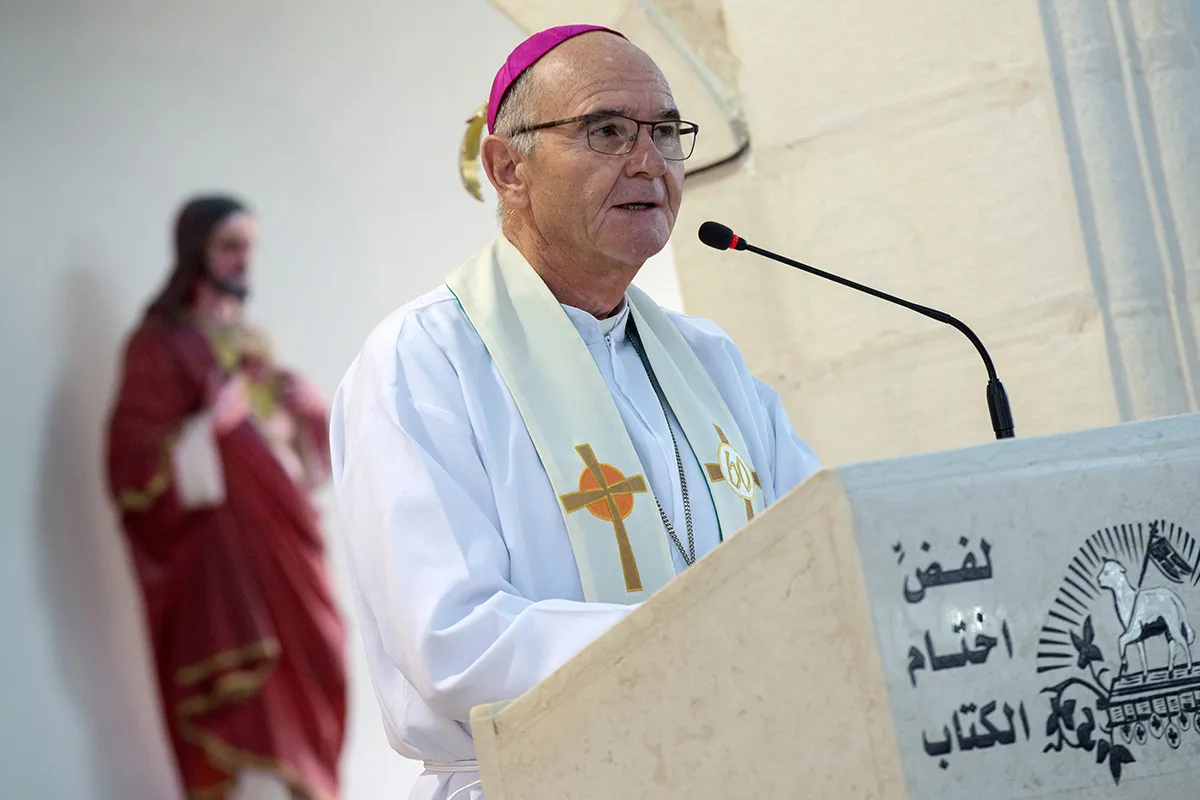
A South African cardinal has denied a U.S.-backed conspiracy theory of “White genocide” against Afrikaners, as the Trump administration continues in a resettlement program many have called baldly racist.
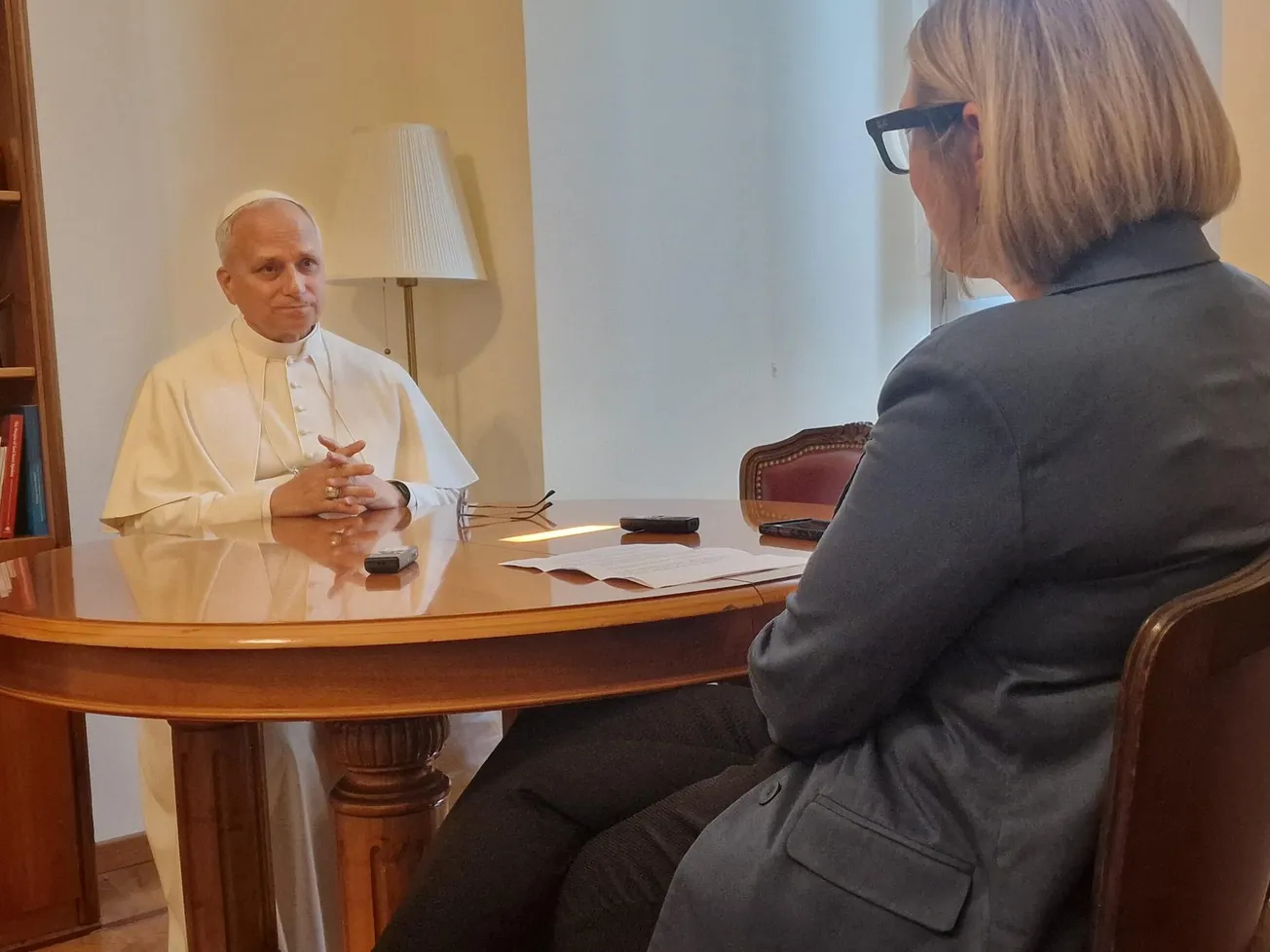
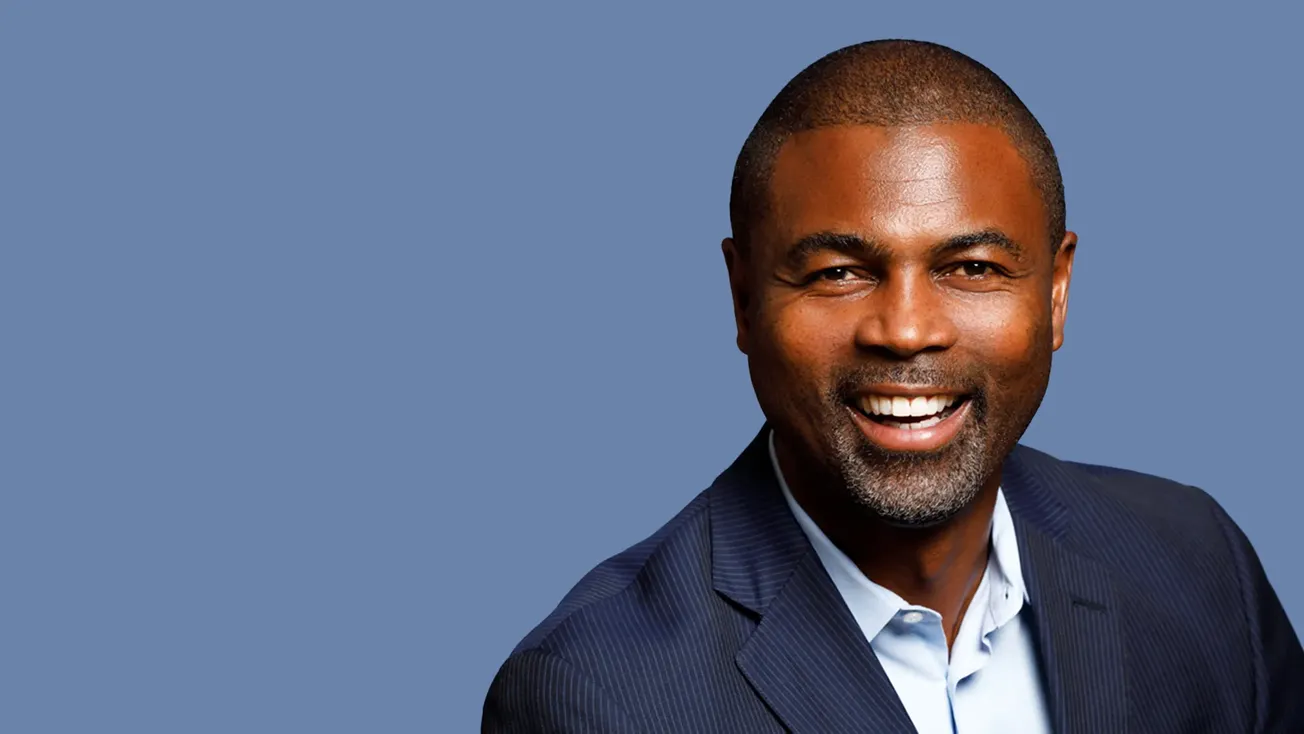
Archbishop Stephen Brislin of Johannesburg, in comments to the Catholic news outlet Crux, called the genocide claim a “false narrative” from those who resent affirmative action policies implemented after the Apartheid era.
“Certainly, there is a Black Economic Empowerment – what’s called BEE, which would try to ensure that the situation of the past, where black people were excluded, will now be included,” Brislin said in the wide-ranging interview.
“But that doesn’t mean that the white population is now being deprived. What it does mean is that the job market has become far more competitive, because in the apartheid era, jobs were given to whites, and you didn’t really have to compete for jobs.”
South Africa Cardinal says Trump wrong about 'white genocide' in countryhttps://t.co/xObmF0WFLU
— Crux (@Crux) January 31, 2026
The “White genocide” claim in South Africa has gained steam in recent years despite decreased or fluctuating numbers of armed attacks against farms owned by Afrikaners, who descend from the Europeans who colonized what is now South Africa beginning in the 17th century.
The violence, coupled with claims of anti-White discrimination, has been a driving force of the genocide conspiracy theory, pushed by various far-right figures in South African popular culture. Despite being repeatedly debunked, the claims have also been picked up by White House officials under President Donald Trump.
Since his second inauguration in January 2025, Trump has spearheaded “Mission South Africa,” which has brought hundreds of Afrikaners to the United States as refugees. This has come amid the White House’s broad efforts to deter immigration and deport thousands of undocumented and even lawful residents from Latin America, the Caribbean, Africa, Asia, and elsewhere.
Cardinal Brislin noted that despite the prevailing claims of genocide, South African émigrés are likely seeking economic mobility rather than fleeing violence and discrimination.
“South Africa is suffering from unemployment. It is suffering from poor economic growth. And so people are seeking opportunity in other countries,” he said.
“But also, there are people who fear for the future because while we are a democracy and our structures are really holding out, the fact of the matter is there’s a certain uncertainty because of the political situation at the moment.”
South Africa, led by a Black president in Cyril Ramaphosa, recently saw its longtime ruling party—the African National Congress—lose its majority in parliament after 30 years in power. A new unity government has faced internal pressures and growing international tensions. In November, Trump announced that South Africa will not be invited to the 2026 G20 Miami summit, partially in response to the country’s alleged mistreatment of Afrikaners. The U.S. skipped the previous G20 meeting, which was held in Johannesburg.
Despite having already slashed aid funding for South Africa, Trump also announced in November that the U.S. will cease “all payments and subsidies” for the embattled African country over its alleged mishandling of the G20 handover procedures.
Nate Tinner-Williams is co-founder and editor of Black Catholic Messenger.