What is Black theology? Why does it matter, or why should we study Black theologians? These questions can sound perplexing, in particular in the setting of a community of learners, persons who are very committed to the importance and study of theology.
I made the decision to pursue graduate studies seeking the opportunity to grow deeper within the intellectual tradition of the Catholic Church. Additionally, I have developed an intellectual and spiritual desire to explore the depth of Black Catholic Canadian experiences. Black Catholics in Canada typically do not receive a significant amount of attention in the global Church. Further, there is not much information available regarding their existence, early communities or settlements, or the number of Black Catholics in Canada.
The United States is more advanced in this area, given the wonderful scholarship exploring the African-American Catholic experience. More importantly, African-American Catholics are also visible in the theological tradition and have made tremendous contributions. Therefore, it is puzzling when I hear someone question the significance of Black theology for study and theological formation.
Black theology emanating from the United States has a history that is unique and has endured various obstacles. Moreover, as Catholics, why should our study of theology be limited to European scholarship? Black people have endured unique circumstances and experiences within the Catholic Church. If one is honest, they must acknowledge that many of these experiences were negative.
Even U.S. Church leaders, though, have failed to fully recognize the significance and existence of Black Catholics either lay or religious. Fighting the good fight are those like Dr. Shannen Dee Williams, who skillfully documents the lives of African-American women religious in the United States in her 2022 book “Subversive Habits: Black Catholic Nuns in the Long African American Freedom Struggle.” Williams’ is one of the relatively few works of scholarship where the sole focus is Black Catholic women religious. Her work is innovative in its contribution and it also emphasizes the emerging thought of Black womanist theology arising from the lives of Black religious women.
The field of Black theology has expanded over many years, with input from scholars from very diverse backgrounds. Theologians such as Fr Bryan Massingale, Drs. M. Shawn Copeland and Diana L. Hayes, and the historian Fr Cyprian Davis, OSB are notable among them. Of course, more names could be added to this list. This scholarship is necessary for the Church to remain open to all persons and to address the pastoral needs of the people. Theology is, after all, an undertaking done on behalf of the Church. Therein, theologians are tasked with explaining ideas and concepts in a manner that is meaningful to the people of God.
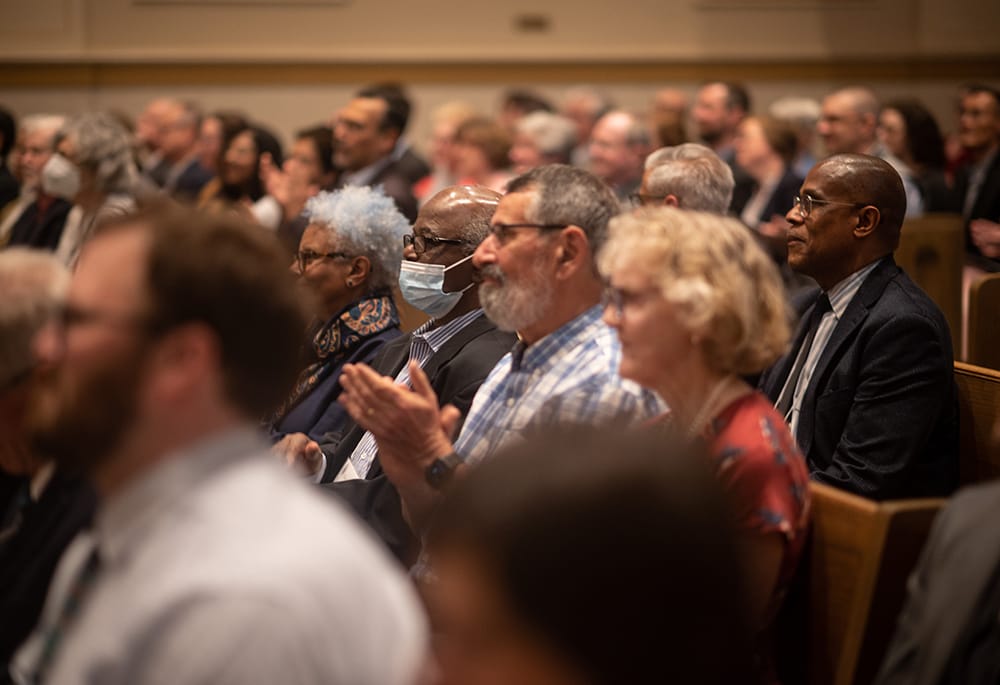
Why, then, must we study Black theology? The answer could also take the form of another question: Why study theology at all? In the end, Catholicism is not an exclusive religious expression belonging (or restricted) to any specific ethnic group or country.
The Church—especially ours at the moment—is global. The majority of the world’s Catholics do not reside in North America or Western Europe. Our Church has a diverse face, with the number of Catholics in the Global South continuing to expand. Vocations are also increasing in these communities and so, too, is the spread of the Gospel. Given the level of demographic changes which have been occurring in our Church, it is the role of theology to offer a response so that they may come to know the truth more fully and better express the faith.
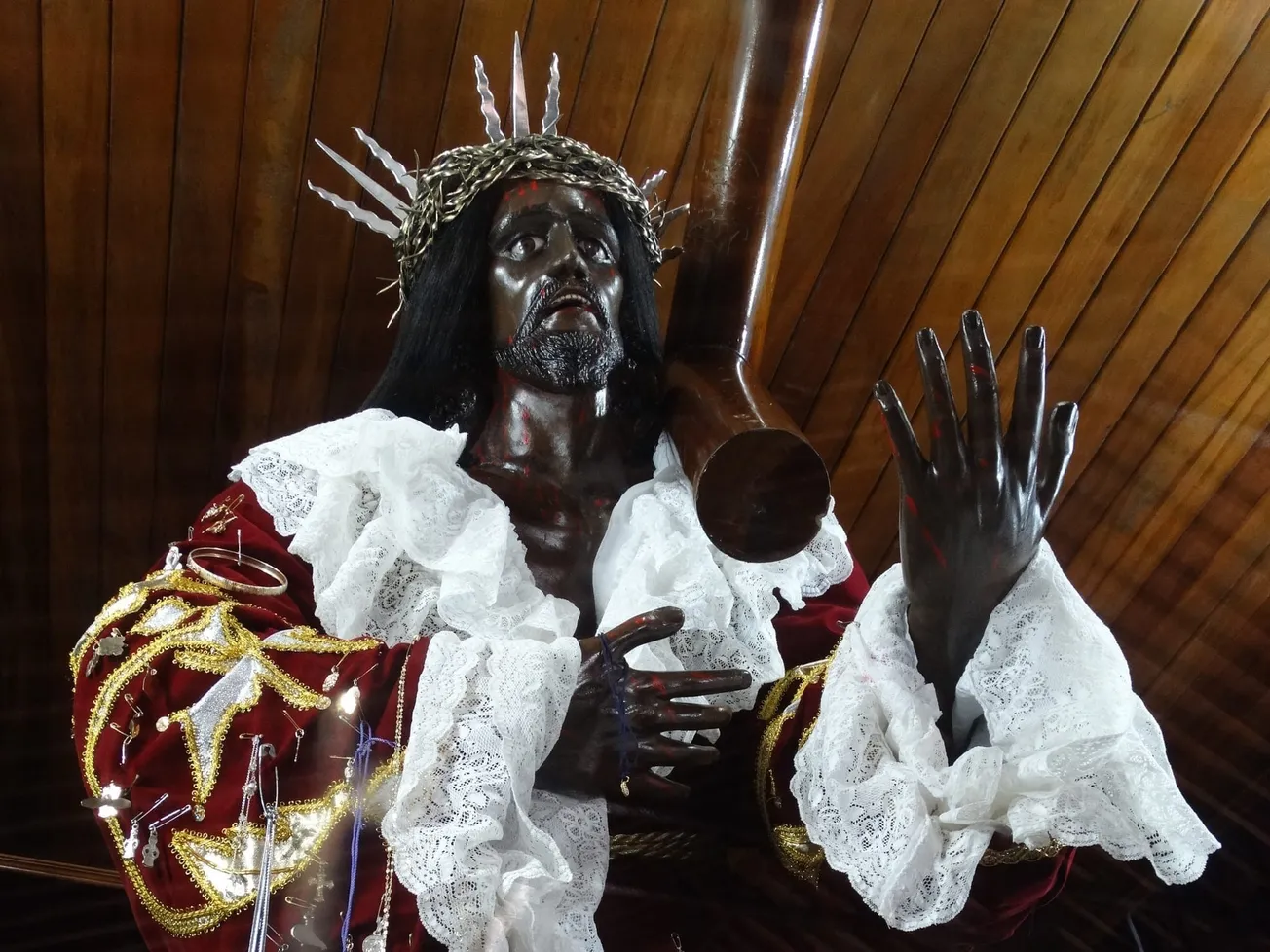
Black theology centers the Black experience, especially in relating to the person of Jesus. However, it is also concerned with the struggles for Black liberation, with keeping faithful to the Gospel, and with seeking out those most marginalized. This is a theology of resistance created to offer hope and speak hard truths in the pursuit of justice. Black theology is a theology for the people and led by the people for the benefit of the Church. Theology should ultimately raise the consciousness of the Christian faithful, so that through hope in the Gospel they can find spiritual nourishment and draw others closer to God.
With this in mind, we should consider Black theology a prophetic theology, and one of spiritual resilience. Black theology is welcoming to the active presence of God in the lives and experiences of Black people. As such, Black people in Canada and the United States should expect to find a home within the Church. They have tremendous gifts to offer, given to them by the Creator.
Black theology began as a response to the racial and social unrest in the United States during the Civil Rights and Black Power eras. Theologians were tasked with responding to this social, and spiritual crisis, as one incident after another demonstrated the virulent anti-Black racism in American society. The call for a spiritual response and a theology that supported the goals of the movements had a powerful impact within the Black Church.
Although the Catholic Church as a whole was slow to respond, Black Catholic theologians, and activists were on the front lines of the struggle. Black theology continues to speak to this struggle. Survival and resilient theology is needed to affirm the faithful in their relationship to God. Black theology, in the end, affirms Black identity, culture, and history.
So, then: Why study Black theology? Because it testifies to the truths of the Gospel, affirms the Black experience, and adds to our understanding that there are many ways to relate to God. Ultimately, this is a gift for the entire Church.
Tamika Royes has 15 years of experience in the social services sector in various roles. She has been a tireless advocate for justice causes, beginning in high school. She has earned a graduate diploma in Catholic studies at Assumption University and is currently pursuing a Masters of Arts in Theology at Regis St. Michael's Faculty of Theology, University of Toronto.




_-_Iglesia_de_San_Felipe_(01).jpg)