The Diocese of Arlington is seeking descendants of African Americans enslaved by a prominent Catholic family in Virginia, according to a new announcement.
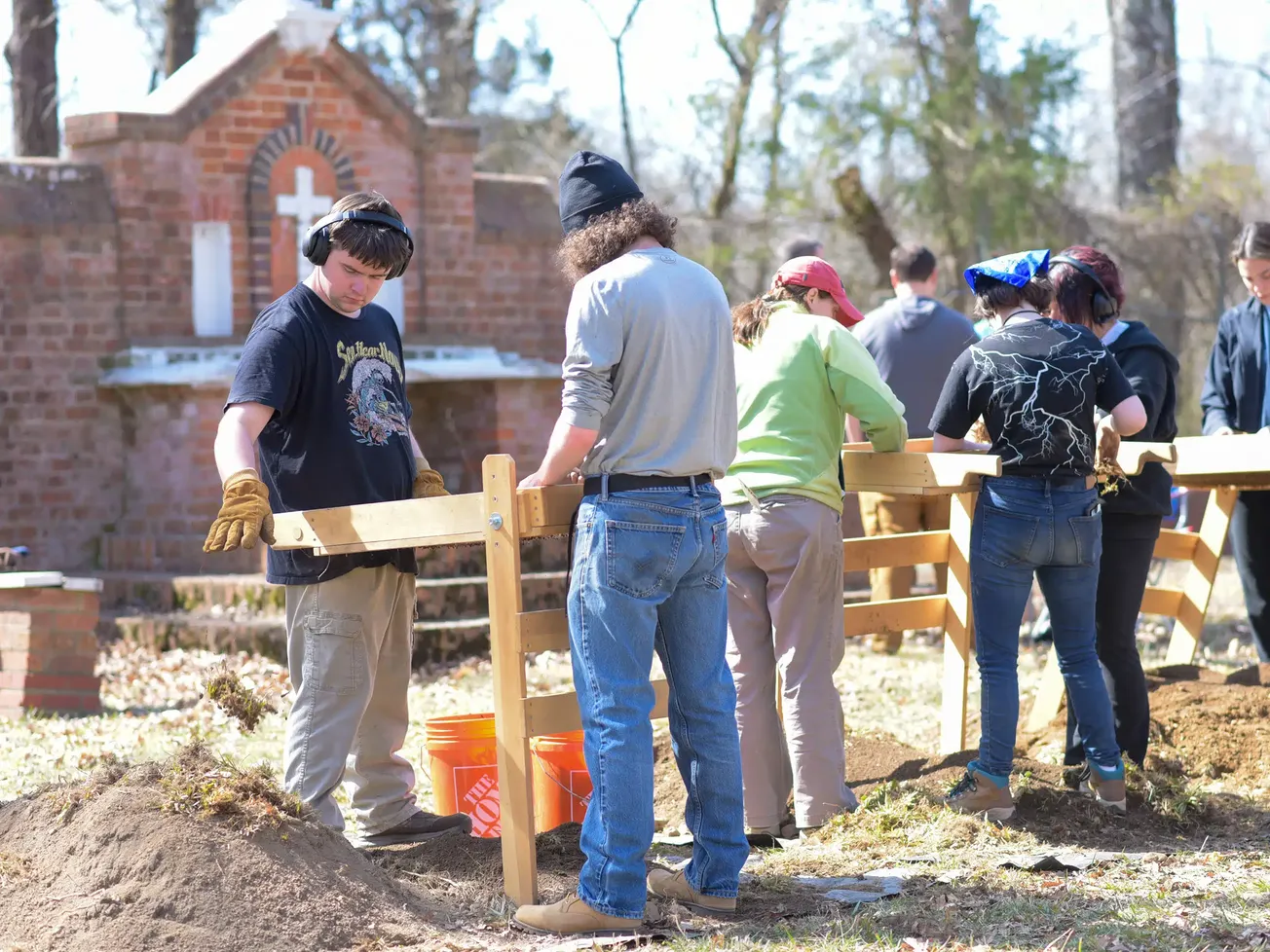
Dr. Laura Masur, a professor of archeology at the Catholic University of America, led a team of students in a dig at the historic Aquia, Virginia, property of the Brent family a year ago. There, they uncovered dozens of unmarked graves of those believed to have been held in bondage by the family, which is linked to the colonial founding of both Maryland and the Catholic community in Virginia.
The excavation followed a 2022 ground-penetrating radar survey that found as many as 88 total burials, including many that may be linked to as-yet unidentified African Americans.
“Masur and the Diocese are seeking records, family trees, and oral histories that may help identify descendants of the Brents and those they enslaved,” reads a joint statement from CUA and the Diocese of Arlington, which covers Northern Virginia.
Professor Laura Masur and students partnered with @arlingtonchurch to investigate a 17th-century cemetery in Aquia, VA.
— The Catholic University of America (@CatholicUniv) February 20, 2026
Instead of a chapel foundation, they uncovered fieldstone grave markers that suggest members of the Brent family and enslaved individuals are buried there.…
Masur, who has done similar archeological studies at Catholic cemeteries throughout the Washington metropolitan area, says the new discoveries in Aquia were initially unclear, thought to possibly be a heretofore unknown building at the Brent’s cemetery, which dates to the 17th century.
The diocese’s GPR survey led them to reach out to Masur, who with her students discovered a new section of the graveyard, filled with grave markers that had been hidden by a flood deposit less than a century ago.
“This new information expanded our understanding of the burial history of the site,” Masur said.
“Working with the Diocese of Arlington, we want to honor all those buried at the site, including members of the Brent family and the people that they held in bondage. That includes seeking their descendants and engaging in a dialogue about how to memorialize the burial ground.”
CUA and the diocese say the burials date to the period between 1670 to 1775, just before the founding of the United States. There is no evidence the cemetery was used after the turn of the 19th century.
Among the notable members of the Brent family were Margaret Brent, who helped settle Maryland and Virginia in the 1600s, and her great-nephew George Brent, who founded a settlement for Virginia Catholics and later owned the Aquia property. George’s will listed 25 enslaved persons near the time of his death in the late 17th century.
The Brents intermarried with a number of prominent Catholic families through the centuries. These include the Carrolls—from whom came Charles, the only Catholic signer of the Declaration of Independence, and John, the first U.S. Catholic bishop—the Youngs, Diggeses, Neales (e.g., Leonard, who succeeded John as Archbishop of Baltimore), Masons, and Baylys (the maiden name of St. Elizabeth Ann Seton, the first U.S.-born Catholic saint).
“As we have found at other sites in this region, it is likely that the descendants of people enslaved by the family could have those names as well,” said Masur.
Masur and the diocese are seeking members of the public who may have information that could help expand the research and create and opportunity to recognize and honor those who labored under the Brents. Similar efforts have recently seen success in Washington, St. Louis, and with various communities connected to Jesuit slaveholding in the South and Midwest.
In Virginia, the work could lead to enhanced genealogical knowledge for African Americans lacking a piece of their family history.
“For those folks who have relatives that are buried there, who are seeking their ancestry, I think it’s important for them to know that they have relatives that were in the area,” Joseph A. Brooks Jr., who chairs the Arlington Diocese’s Black Catholic ministry, told the Arlington Catholic Herald.
“For those who are looking to research their genealogy, this could be a tremendous step in helping them to close some of those missing gaps.”
Anyone with information on the Brents, their descendants, or those they enslaved is encouraged to contact Dr. Masur at masur@cua.edu or diocesan archivist Lindsay Alukonis at lindsay.alukonis@arlingtondiocese.org.
Nate Tinner-Williams is co-founder and editor of Black Catholic Messenger.