At its fall plenary assembly in Baltimore, Maryland, the United States Conference of Catholic Bishops (USCCB) voted on Nov. 18 to designate the last Sunday of October as an annual Day of Prayer for Racial Justice.
Each fall, active U.S. bishops gather for a plenary assembly to discuss pastoral priorities and address some of the most pressing issues facing the Church and society.
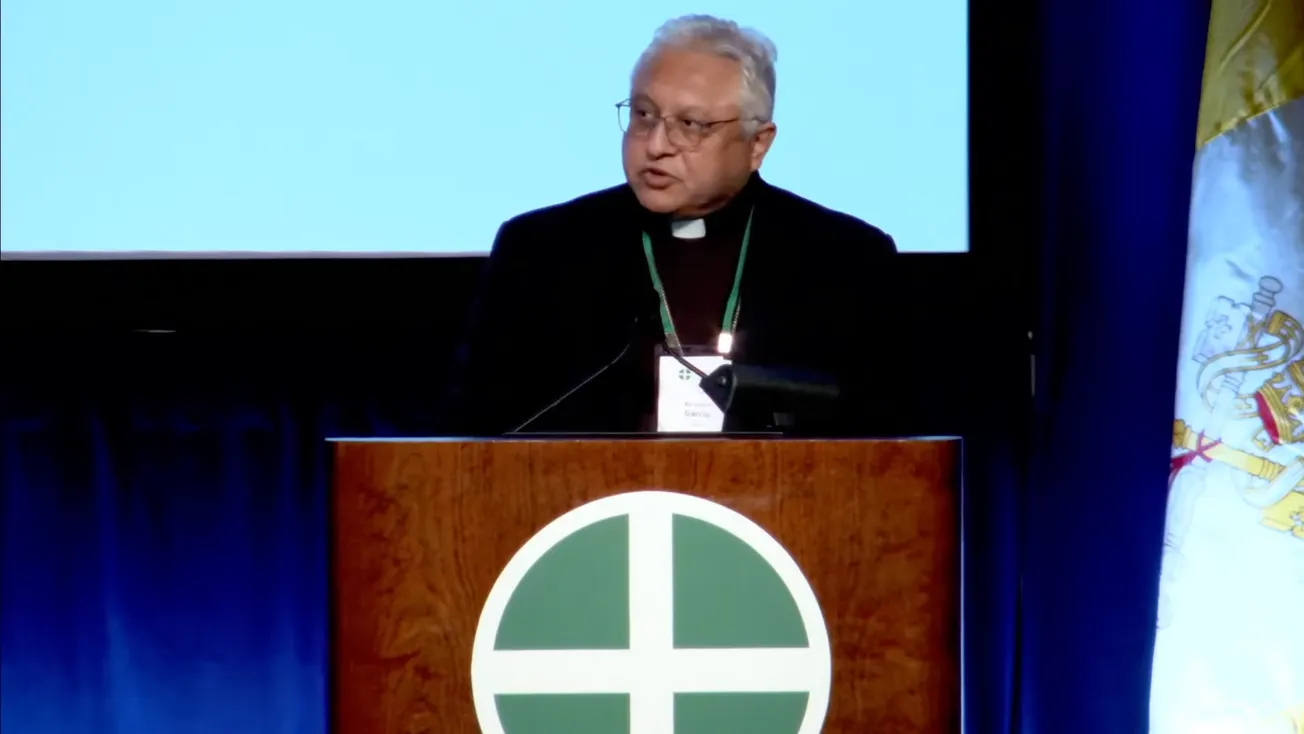
Recognizing the need for greater efforts toward racial justice, inclusion, and reconciliation both within the Church and in society, Bishop Daniel Garcia of Austin, Texas, chairman of the USCCB’s Subcommittee on the Promotion of Racial Justice and Reconciliation, presented the proposed Day as an action item for the assembly to consider and vote on.
He explained that Day would offer the Church an opportunity to acknowledge the wounds caused by the sin of racism and foster greater healing.
“Such a day creates sacred space for reflection, repentance, and the conversion of hearts, fostering deeper reconciliation within the Body of Christ and across our communities,” said Bishop Garcia.
Anticipating the question, “Why establish this Day now?” Bishop Garcia pointed to the continued prevalence of racism in communities, schools, and parishes. He explained that conversations with people of color reveal the many ways racism persists, undermining the “God-given dignity of every human person.”
Citing a recent study by the Center for Applied Research in the Apostolate (CARA), Bishop Garcia emphasized the urgency of addressing racism and its effects, particularly within the Church.
“Some of you may also have seen the new CARA survey that was released recently,” said Bishop Garcia. “Sixty percent of respondents reported that they believe racism exists within their local communities. Additionally, 26% of Black respondents indicated that they have personally experienced racial discrimination within their parishes or Catholic schools.”
Rather than being discouraged by these findings, Bishop Garcia invited his fellow bishops to see them as an opportunity to take action and help the Church live up to its calling to be a place of healing and community.
The Subcommittee was also intentional in selecting the last Sunday of October. In consultation with the Committee on Divine Worship, its members determined that the readings for either the 30th or 31st Sunday in Ordinary Time would complement the Day’s themes of healing and racial reconciliation.
Falling on the last Sunday of October, the observance would also serve as a transition into November, which recognizes both Black Catholic History Month and Native American Heritage Month.
“This timing would allow the designated Sunday to serve as a bridge between related observances, creating opportunities for parishes to engage in prayer, reflection, dialogue, and formation around the Church’s call to racial justice and reconciliation,” said Bishop Garcia.
More importantly, establishing this Day would help integrate the work of racial justice and reconciliation more fully into the liturgical life of the Church.
With the endorsement of the Committee on Divine Worship and the USCCB Administrative Committee, the proposal was put to a vote and passed, with 180 bishops voting in favor, 15 voting against, and seven abstaining.
Sheila Hodges is the Editor of Black Catholic Messenger.