
On Jan. 7, Renée Nicole Good dropped her six-year old son off at his Minneapolis school for the last time. She brought him some stuffed play animals as a present, but did not live to deliver them.
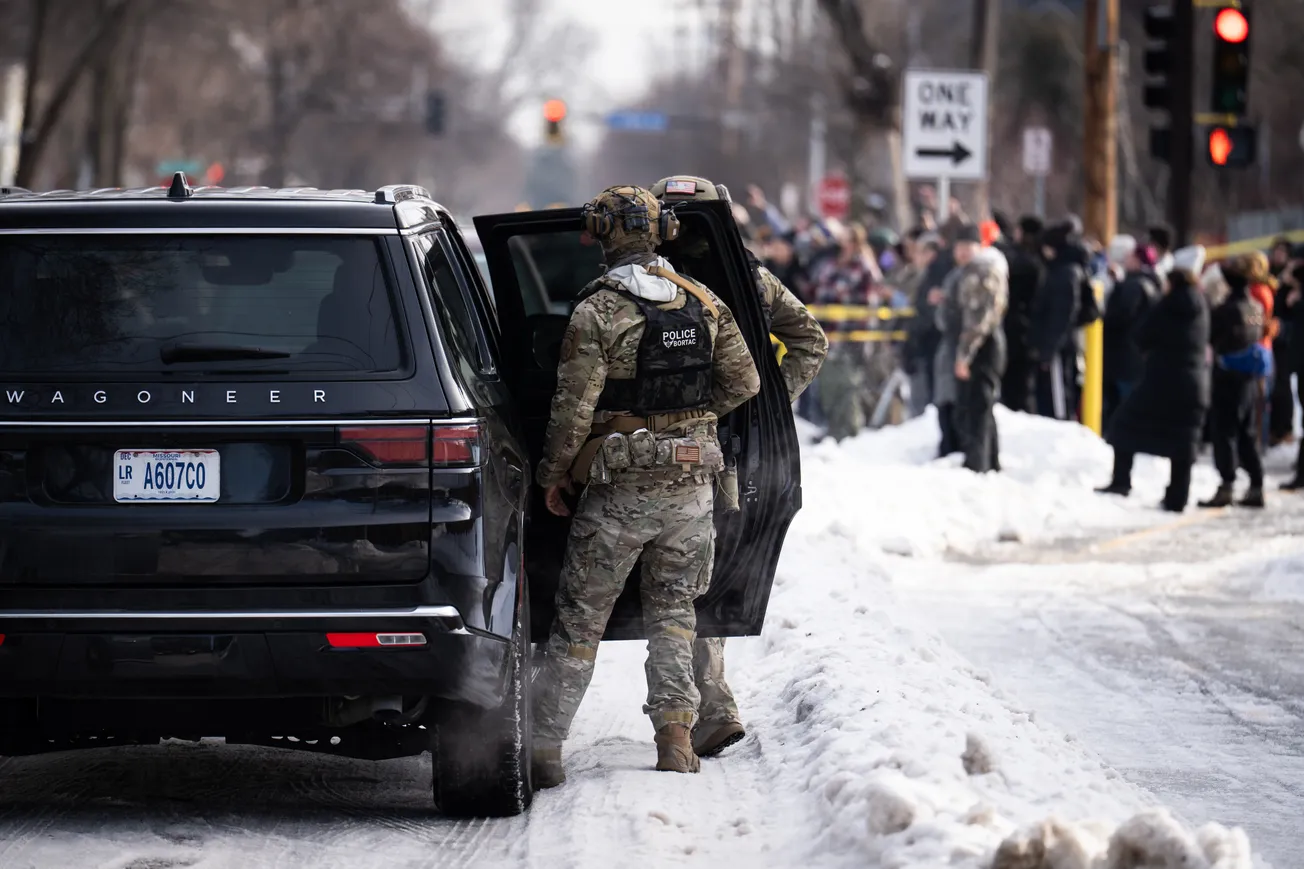
In the aftermath of her senseless and tragic death, the news cycle was ruled by the lie that her killer—U.S. Immigration and Customs Enforcement officer Jonathan Ross—shot her in self-defense as she supposedly attempted to run him over.
Newly-released footage reveals Renee Nicole Good’s last words. pic.twitter.com/Q0NsuUrpDR
— Democrats (@TheDemocrats) January 9, 2026
This asinine incident in Minneapolis instantly reminded me of another police killing, one with striking similarities, that I reported on in Cincinnati 10 years ago.
The officer involved in the killing of 43-year-old Samuel DuBose in July 2015 was a University of Cincinnati police officer named Raymond Tensing, 25, with four years of experience in law enforcement.
I covered that killing—a miscarriage of justice—for the Tennessee Tribune, the state's oldest Black newspaper, and the Cincinnati Herald, the city's weekly Black newspaper. A decade before, I was a courts and police reporter in Sandusky, Ohio, covering its police department—which acted more like an oppressive, occupying army.
A father of 13 children, DuBose was, like Renée Good, unarmed and sitting in his car, wearing his seat belt, when Tensing shot him in the head.
Tensing, like ICE Agent Ross, claimed that DuBose had hit him with his car while trying to flee a traffic stop. Body camera and cruiser video showed just the opposite: Tensing was never dragged by DuBose's car and therefore his life was never in danger. At the time of her killing earlier this month, Renée Good was engaged in warning the residents of an obviously upscale neighborhood about ICE’s presence in the area.
Like the UC officer, Good’s murderer was an overzealous officer operating in an area where he had no purpose. Before encountering DuBose, Tensing had been patrolling the area (aimlessly, to my mind), according to cruiser footage I viewed during a press conference, along with city and university officials.
He finally found what he was looking—and perhaps hoping—for when DuBose drove by, his car missing a front license plate, a feature required by Ohio law. Even so, both men were off-campus and a solid mile from any UC-related property or student housing. (Following DuBose's murder, university police stopped making off-campus traffic and pedestrian stops.)
Tensing's record showed a habit of making traffic stops and issuing citations to Black people. 82.5% of his arrests were of Black Americans—the highest percentage of any officer on the force. Pedestrian stops of minorities by the majority-white UC Police Division, according to investigators at the time, accounted for 62% of the total. (Just 8% of the student population were people of color.)
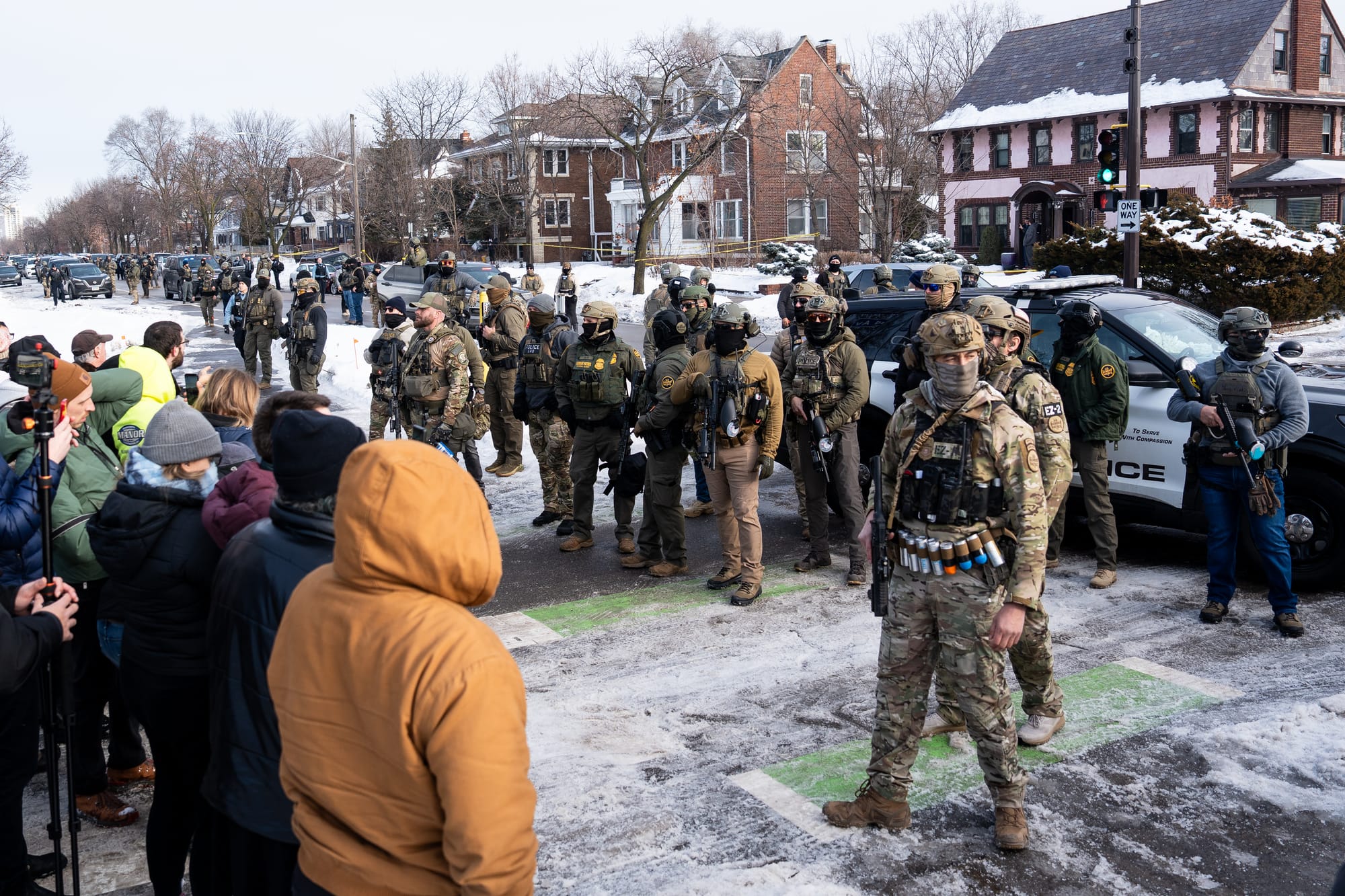
Today, concerning Agent Ross, one wonders: Has anyone really looked at the surroundings of where he shot Good? Where were ICE agents expecting to find undocumented immigrants in such a location at this time of the year? And of what sort? Gardeners, cleaners, construction workers?
We don’t know what justice Renée Good will or will not receive. It is too early to tell. After killing DuBose, Tensing was charged with murder and voluntary manslaughter, but two trials both ended in hung juries. After the second, the charges were dismissed.
Morning classes at UC were cancelled the day video of the encounter between Tensing and DuBose was released. Its content was just that graphic. Seven months after DuBose’s murder, both the UCPD police chief and his deputy chief resigned on the same day.
Much has changed in the UC area since June 2015, just as it has since George Floyd's murder in Minneapolis in May 2020 by the White police officer Derek Chauvin. Aided by a police consulting firm, the UCPD was overhauled from top to bottom with a focus on de-escalation techniques.
Now, however, we have masked government agents acting like armed thugs. Honestly, no one can tell the difference. I would stake my life on this statement. Renee Good did just that.
The result is that, along with her two other children, her six-year-old son is still waiting for Mommy to come home with his new toys. Toys that I just hope—and pray—don't have her blood on them.
Robert Alan Glover is an alumnus of the University of Dayton where his studies included theology. He writes for The Catholic Miscellany in the Diocese of Charleston, among other media. He resides in Lexington, Kentucky.