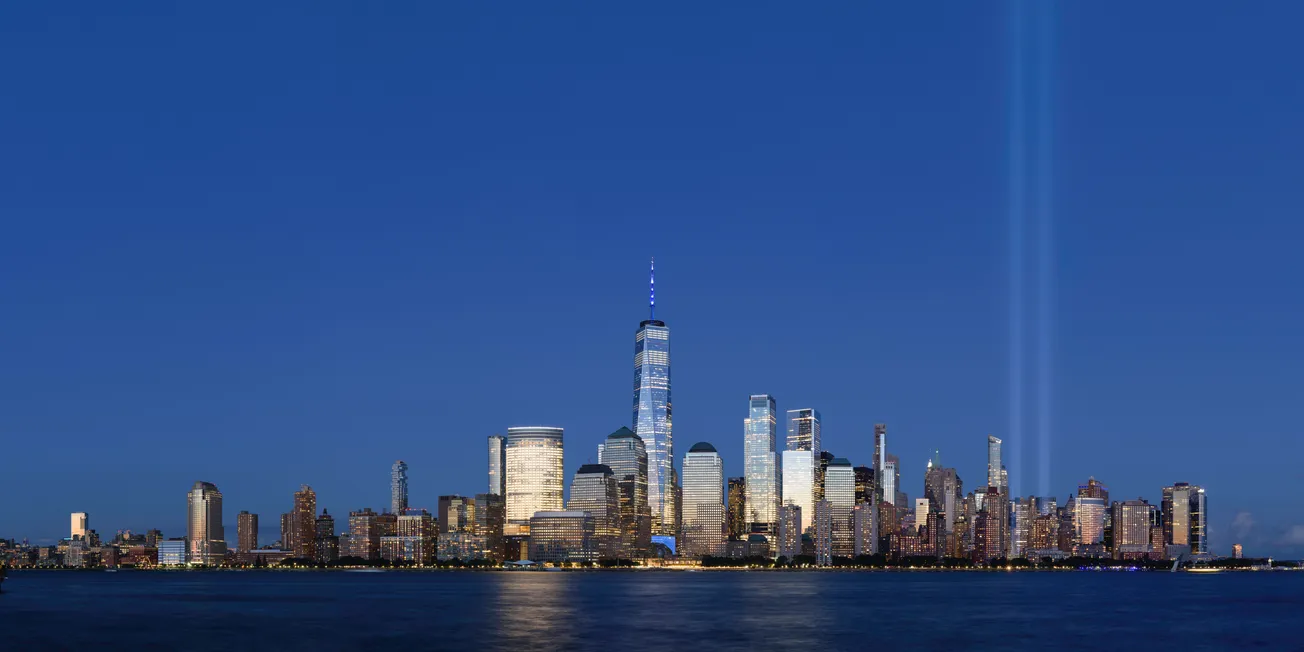
Bishop Ronald Hicks, formerly of Joliet, Ill., will be installed as Archbishop of New York on Friday, Feb. 6. I write this local guide as a way to help him in his work.
I recommend one of the first things Hicks does is attend a gospel Mass at one of Harlem’s numerous Black Catholic churches. He is going to need the beauty and power of the African-American sacred music tradition as he faces his task ahead.
 Félix Cepeda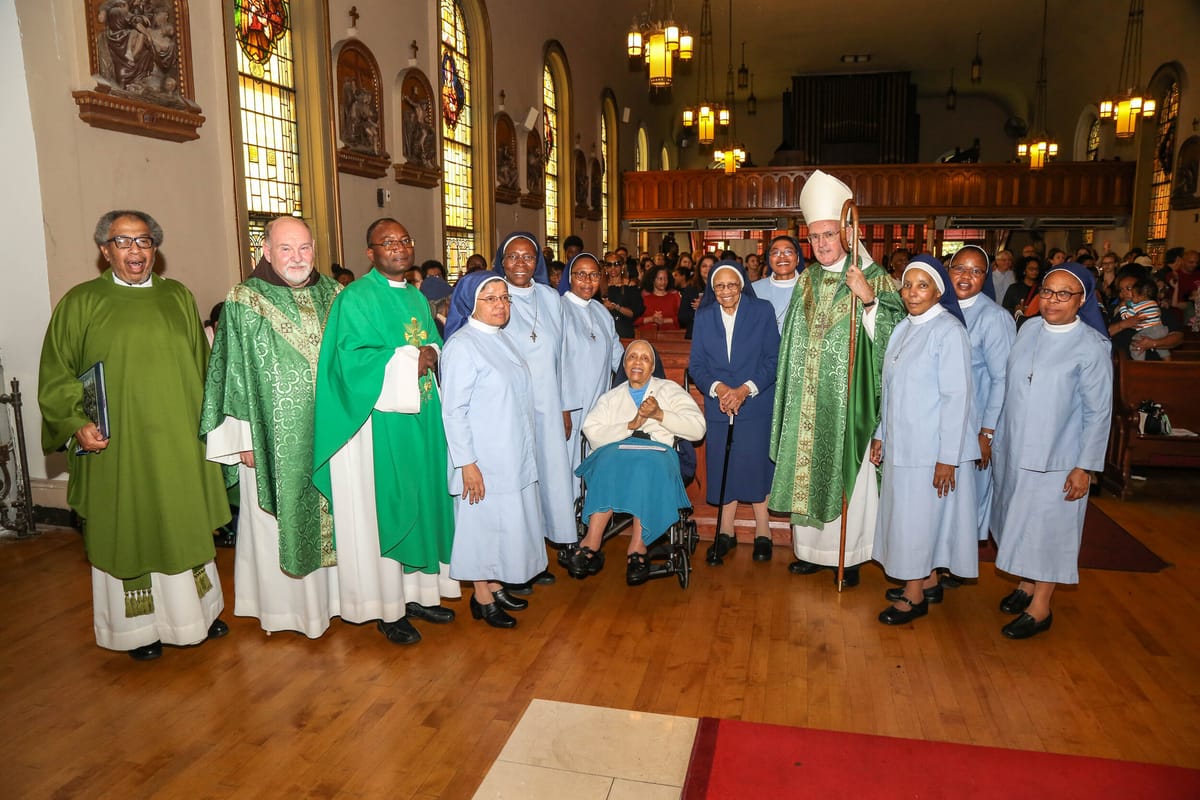
He should also visit both of the Catholic Worker communities in Manhattan and pray in the chapel at Maryhouse, the former home of Servant of God Dorothy Day.
I also recommend that Archbishop-designate Hicks visit the St. Frances Cabrini Shrine in Washington Heights. Mother Cabrini is, after all, the patron saint of immigrants. New York City, like many parts of the country, has recently seen ICE and other federal agents attack immigrant communities, which so desperately need our support.
Also in Washington Heights is the Altagracia Faith and Justice Works organization, affiliated with nearby St. Jude Catholic Church, where they do great work with youth and the community. In northern Manhattan and the Bronx, Hicks will find many Catholic parishes with people from the Dominican Republic, which is the largest immigrant community in New York. Besides celebrating Mass, he can also enjoy some of the delicious food!
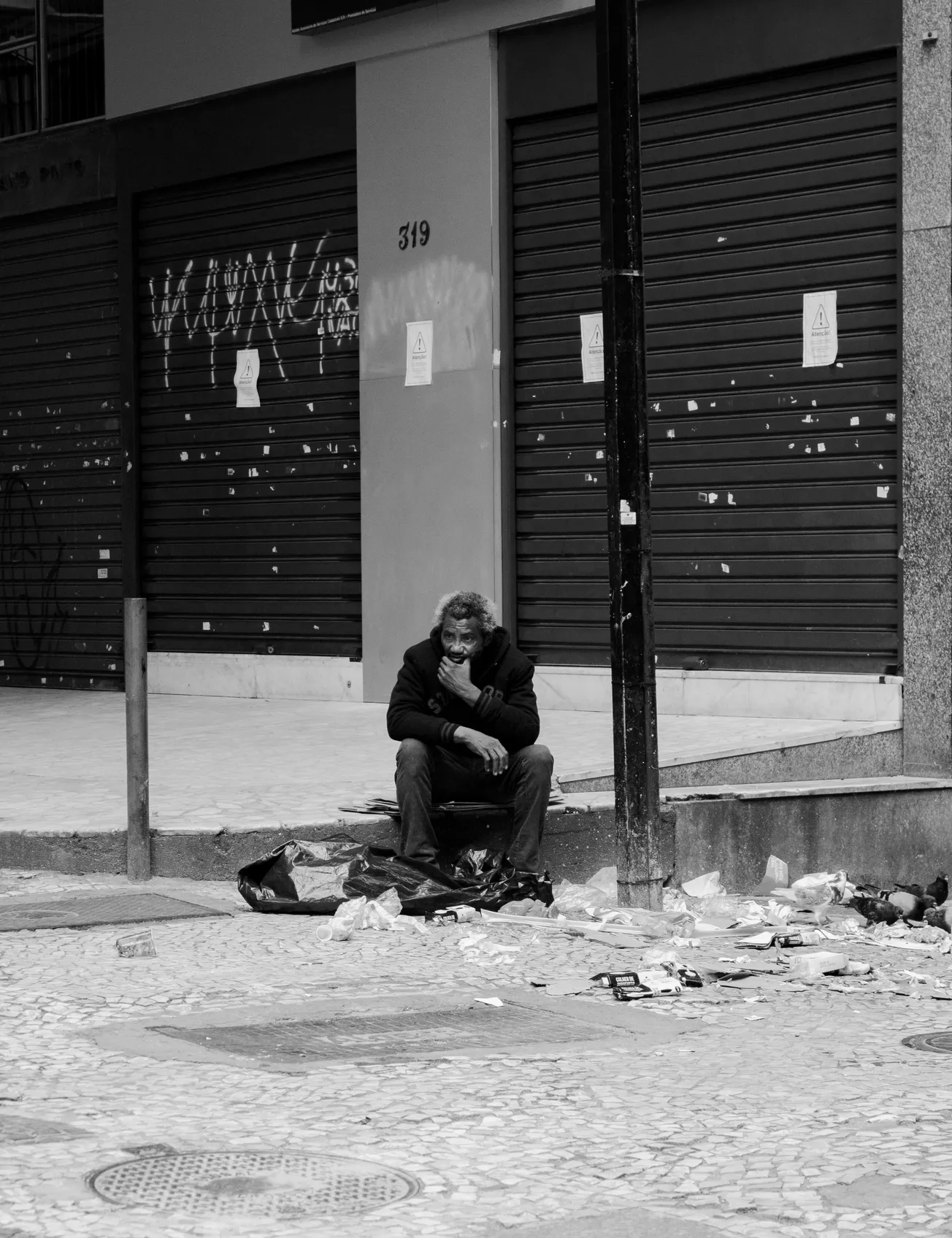
Every Sunday, Xavier Mission at the Jesuits’ St. Francis Xavier Church in Lower Manhattan offers a meal to local houseless/homeless people. The new archbishop should visit and get to know folks from this community. The LGBTQ+ ministry Out at St. Paul, based at St. Paul the Apostle Church on the Upper West Side—run by the Paulists—is also very vibrant.
Hicks should definitely visit the Church of the Transfiguration in Chinatown, a historic parish founded in 1827 by a Cuban-born priest, Venerable Félix Varela, to serve poor immigrants. It now serves a largely Chinese community with Masses in Cantonese, Mandarin, and English.
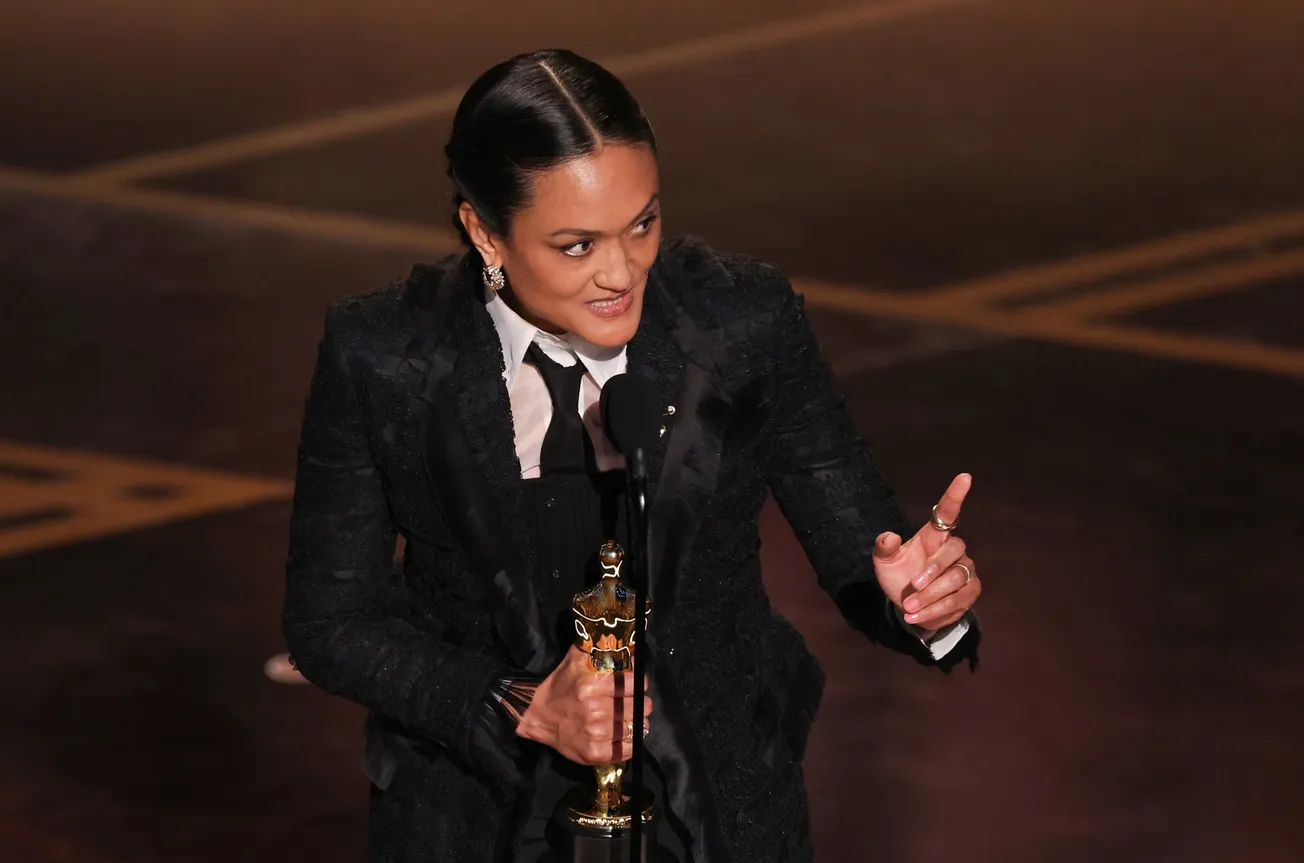
 Nate Tinner-Williams
Of course, the new archbishop should also reach out to the non-Catholic community in New York as well, especially since only a third of the city is Catholic.
Among the important institutions not connected to the Church are numerous cultural organizations, like the American Indian Community House in Murray Hill and the Urban Indigenous Collective in Midtown.
The Malcolm X & Dr. Betty Shabazz Memorial and Educational Center in Upper Manhattan commemorates Malcolm X, the famed Black Muslim leader who was shot and murdered at the former Audubon Ballroom there in 1965, and his wife Betty Shabazz. Hicks might enjoy this particularly holy space.
Additionally, the African-American musician Marjorie Eliot has been offering free jazz concerts in her Harlem apartment every Sunday for more than 30 years. This is another holy space for many in New York.
The People’s Forum, found in Hell’s Kitchen, does important community organizing, as well as cultural and intellectual work with the working class and marginalized in the city. Plugging in here is important because past archbishops of New York have talked about being neutral when politics are concerned, and Hicks’ predecessor in Cardinal Timothy Dolan famously spent an inordinate time courting President Donald Trump and other conservatives.
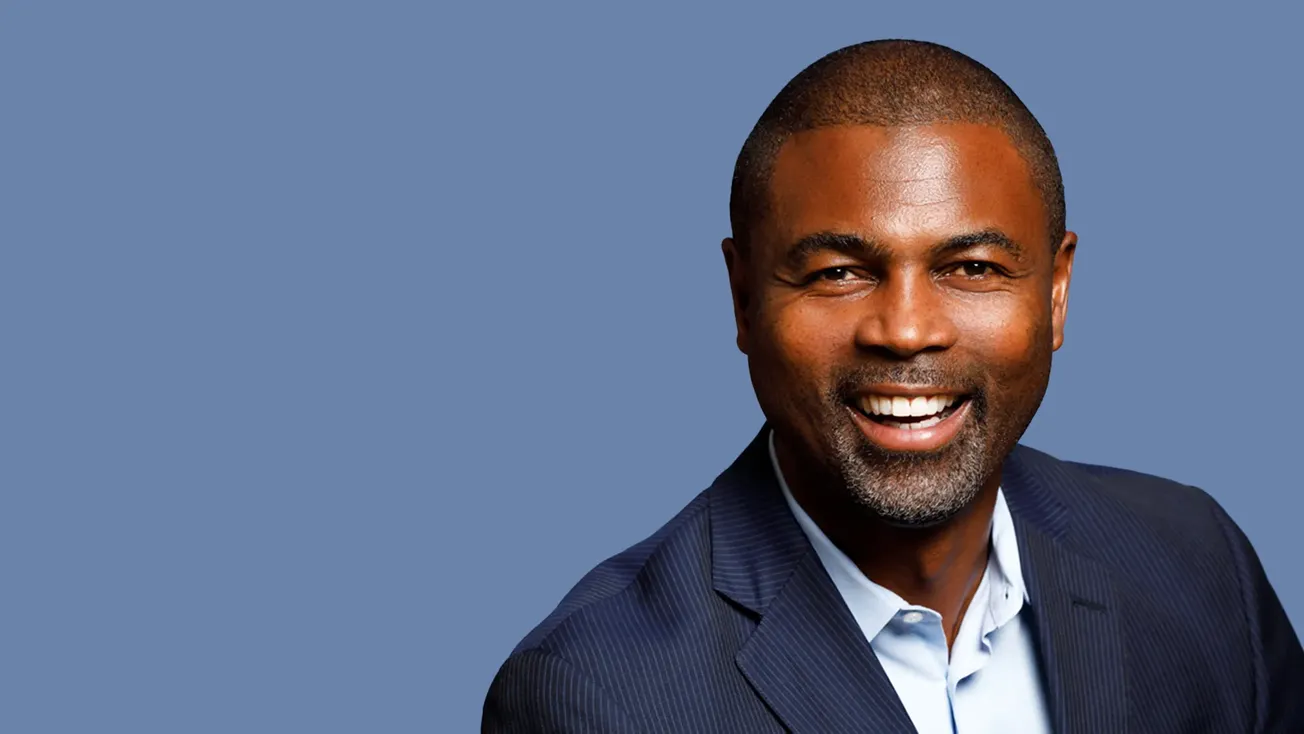
 Daryl Grigsby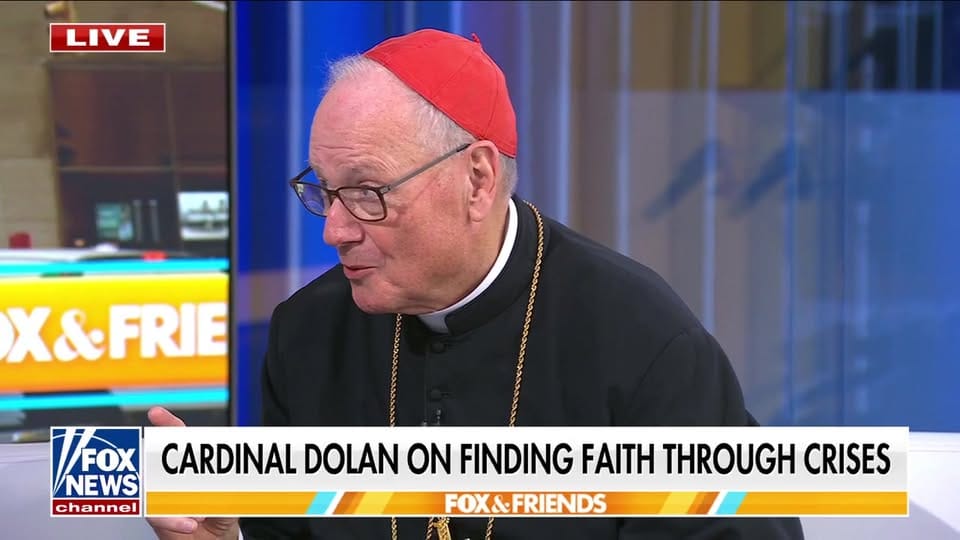
The new archbishop should make a point to connect with the Catholic left and the secular left in New York. There are issues on which progressives and Hicks will not agree, but there are many of us who are open to working with him to benefit oppressed people in New York and around the world.
It would be great news if the new archbishop becomes an ally of Mayor Zohran Mamdani. Again, there are ideological differences but I believe there are many areas where they can collaborate to improve the lives of the less fortunate, like creating affordable housing, defending immigrant rights, and the like.
Most of all, I pray for the new archbishop that his tenure will be successful. He has mentioned that his favorite saint is St. Óscar Romero. We must all pray that he will have Romero’s courage and compassion, which is needed so much in these trying times.
Félix Cepeda is a former Jesuit brother who served in the Dominican Republic. He is an intersectional, anti-capitalist Catholic activist working in New York City and the Dominican Republic.