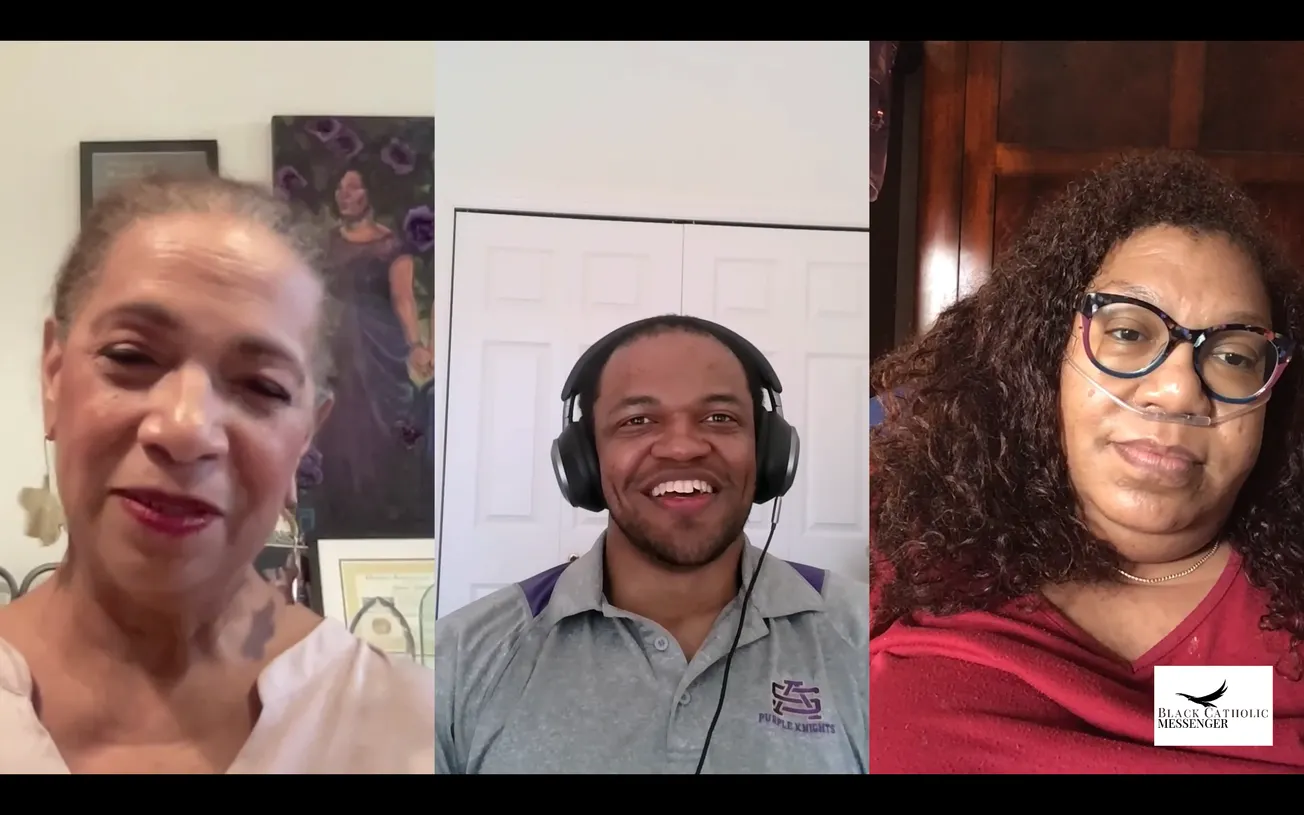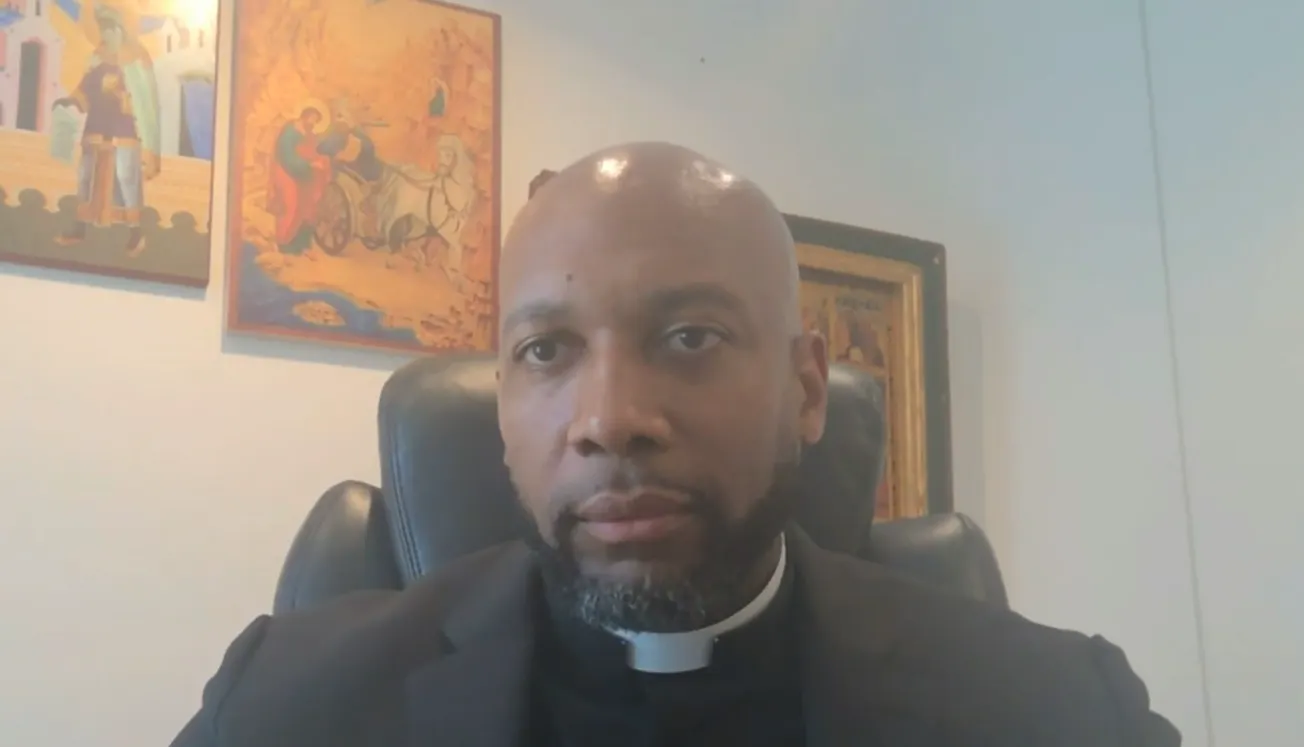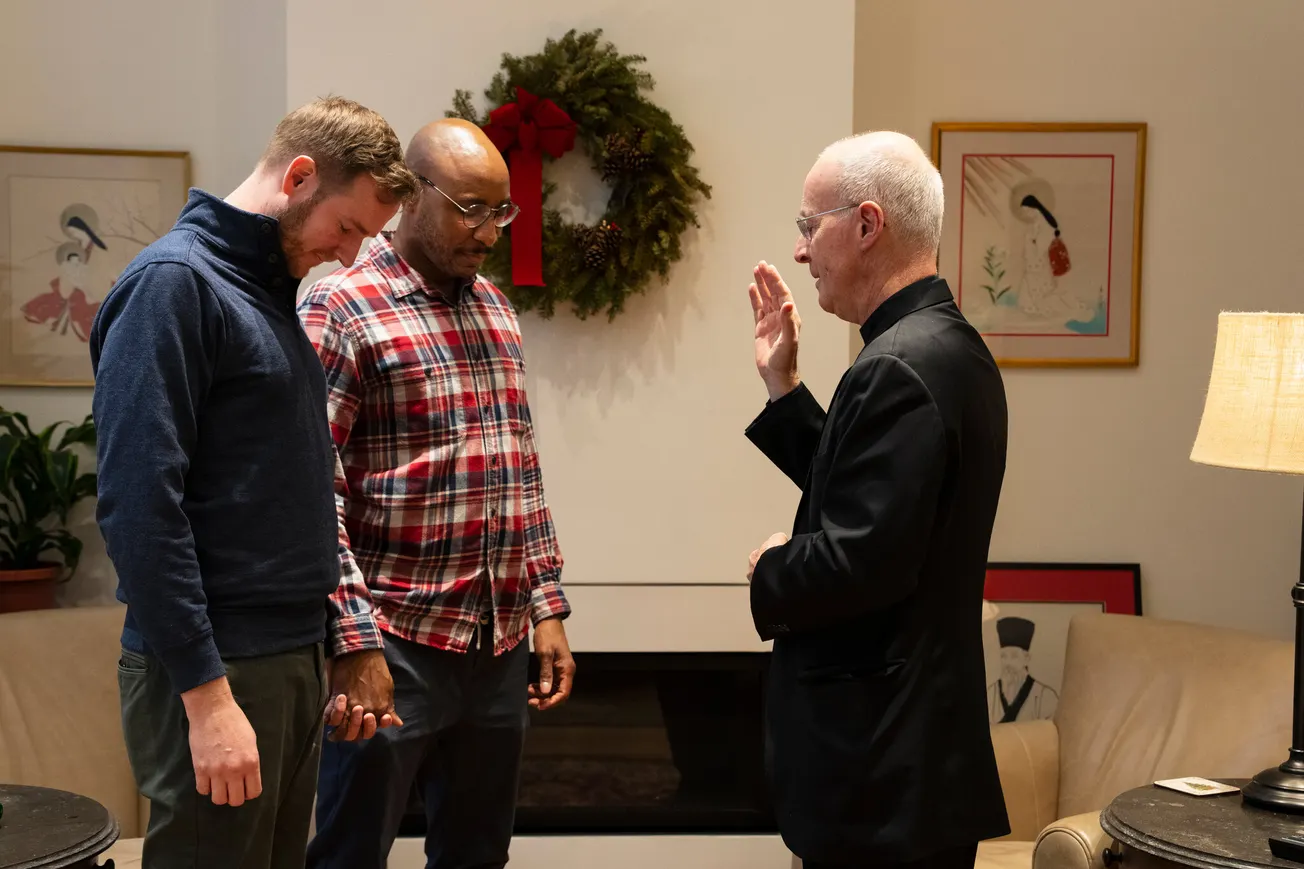
In a world often divided by religious differences, the call for unity among Christians is more pressing than ever. In the latest episode of the Black Catholic Messenger show, a diverse panel of Black Christian leaders explores the significance of ecumenism, particularly within the Black community, as we celebrate the 2026 Week of Prayer for Christian Unity from Jan. 18-25.
Ecumenism refers to the fostering of unity among different Christian denominations. It is not about erasing distinct beliefs but about finding common ground. Eric T. Styles, a Josephite seminarian in Washington, says ecumenism is about “returning to one another in Christ without flattening out our distinctiveness.”
“So, finding one another without requiring one another to become carbon copies of one another. Unity, not uniformity.”
Founded in 1908 by two Episcopalians who later converted to Catholicism, the Week of Prayer for Christian Unity invites believers to reflect, pray, and work together toward greater communion. This year, it comes on the heels of the 1700th anniversary of the First Council of Nicaea, which took place in 325 AD. A pivotal moment in Christian history, the council addressed the divinity of Jesus and solidified the doctrine of the Trinity.
To many observers, the anniversary serves as a reminder of the shared foundations of faith that can unite Christians across denominational lines.
Churches and Christian communities worldwide are invited to join the Week of Prayer for Christian Unity, held from 18 to 25 January 2026, drawing on resources prepared by the Armenian Apostolic Church and available in many languages: https://t.co/PLB4qhbAPH pic.twitter.com/v8IwbR61Qx
— World Council of Churches (WCC) (@Oikoumene) January 9, 2026
The new podcast episode also touches on contemporary understandings within Black Christianity, including how the legacy of Dr. Martin Luther King Jr. resonates with the current ecumenical movement. Styles notes that King’s voice is a powerful symbol of Christian unity, and his message continues to inspire efforts towards reconciliation among different denominations.
The panel—including Baptist, Orthodox, and Catholic perspectives—acknowledges that many theological differences are often rooted in linguistic variations rather than fundamental beliefs, suggesting that dialogue can lead to greater understanding.
Rev. Dr. Ebony Grisom, a Baptist chaplain, highlights that while members of her tradition typically do not affirm creeds, they share core beliefs with other denominations. She emphasizes that the diversity of Protestantism, while significant, does not preclude unity in Christ, especially for African Americans.
“Most of our families are ecumenical, right?” she noted. “My own family, one side is AME for generations, the other side Baptist for generations. And while I was in closer proximity to the Baptist side of my family, when I went to seminary, I remember feeling like I had to make a choice, right? [To] which house of study would I belong? Was I a Methodist or was I a Baptist?”
Grisom's journey echoes that of many Black Christians who have been exposed to a variety of traditions that later inform their understanding of Christianity as a diverse, all-encompassing space. In some cases (and in some understandings), Black Christianity extends even outside of the Nicene tradition, including non-Trinitarian groups—a topic discussed with vigor in the podcast.
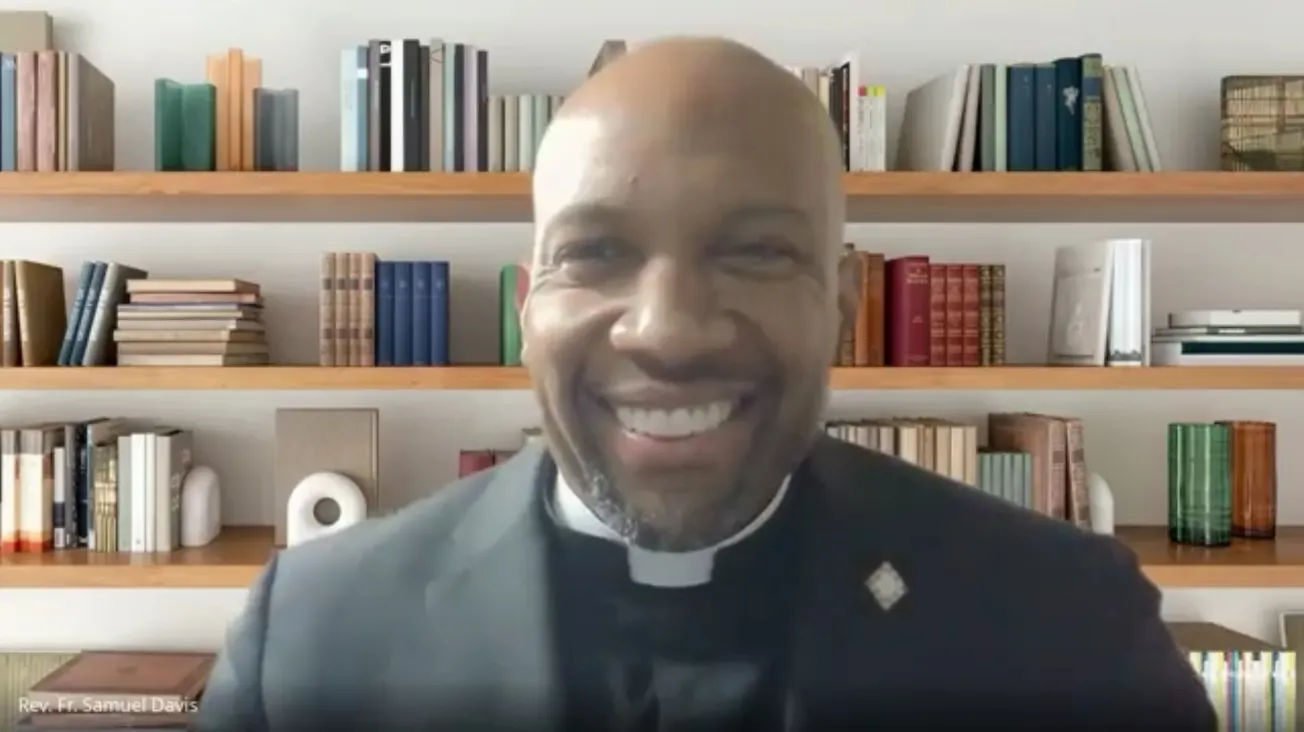
Fr Samuel Davis of the Greek Orthodox Archdiocese of America states that ultimately, love must underpin all efforts toward Christian unity. He expresses hope that as the Orthodox and Catholic churches move closer together, their unity will inspire Protestant denominations to follow suit.
“Once we unify, then we begin to walk hand in hand, step by step, moving forward with the intention that once again that we are one Church, it would bring about revival that we've never seen before in our country and also in the rest of the world,” said Davis.
“We cannot be splintered for so long. Is the body of Christ splintered? Absolutely not. So we must come together and pray and work for every effort that we can to truly be the body of Christ on the earth once again, together.”
To hear more from Black Christians on ecumenism, listen to the latest episode of the Black Catholic Messenger show on your favorite podcast platform.
Nate Tinner-Williams is co-founder and editor of Black Catholic Messenger.