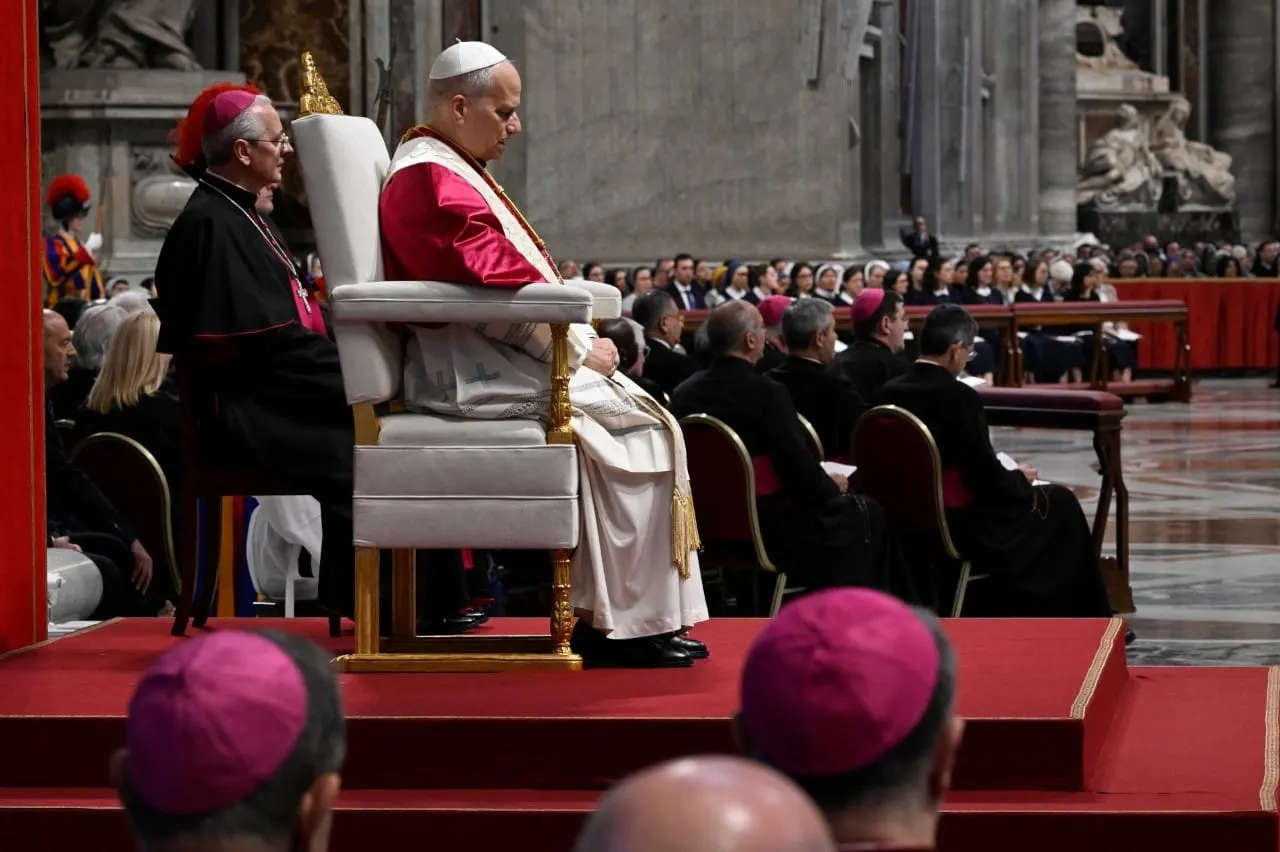

In early modern Europe, the castrati—males castrated to maintain high and childlike singing voices—were the dangerously charismatic rockstars of early modern Europe. In fact, their beautiful singing voices led Pope Sixtus V to specifically enlist them in the papal choir of St. Peter’s Basilica.
Moreover, the virtuosity of castrati like Farinelli, Senesino, Tenducci, and Caffarelli gained them high status in courts, choirs, and opera houses throughout the continent. Today, the remnants of their influence can be found in the music of celebrated composers such as Vivaldi, Monteverdi, Handel, and Mozart. Despite their outsized contributions to European art, music, and culture, however, they were virulently demonized and pathologized as inherently immoral, wanton, and prurient.
Interestingly, some of the antipathy toward the castrati was directly motivated by disdain for African musical practice. For example, when the French poet and librettist August Creuze de Lesser traveled from France to Italy—where the castrato phenomenon was strongest—he wrote:
“Europe ends at Naples and ends quite badly. Calabria, Sicily, all the rest is part of Africa.”
As Protestant Europe moved into the Enlightenment, Italian social, theological, and artistic practices like the monarchy of the pope, mysticism, the castrati, opera, theatre, carnivals, madrigals, and the circus—once held as the marvels of European society—became increasingly offensive. Most offensive of all was the virtuosic performance of Baroque music, which French philosopher Jean-Jacques Rousseau derided as “that whose harmony is confused, overburdened with modulations and dissonances, with a stiff and unnatural melody, a difficult intonation, and a forced movement.”
Conversely, figures like Fr Johannes Tinctoris, a 15th-century music theorist, wrote in his treatise “Complexus Effectuum Musices” that music is a social good that “delights God, multiples the joy of believers, lifts up the spirit of the earth, and drives away Satan.” African societies had a similar emphasis on the role of music as a social good and spiritual repellent. They also preserved tribal history, religious traditions, dances, marriage and funeral rites, and other important social matters through music and griots, figures who dedicated their lives to memorizing the community’s traditions.
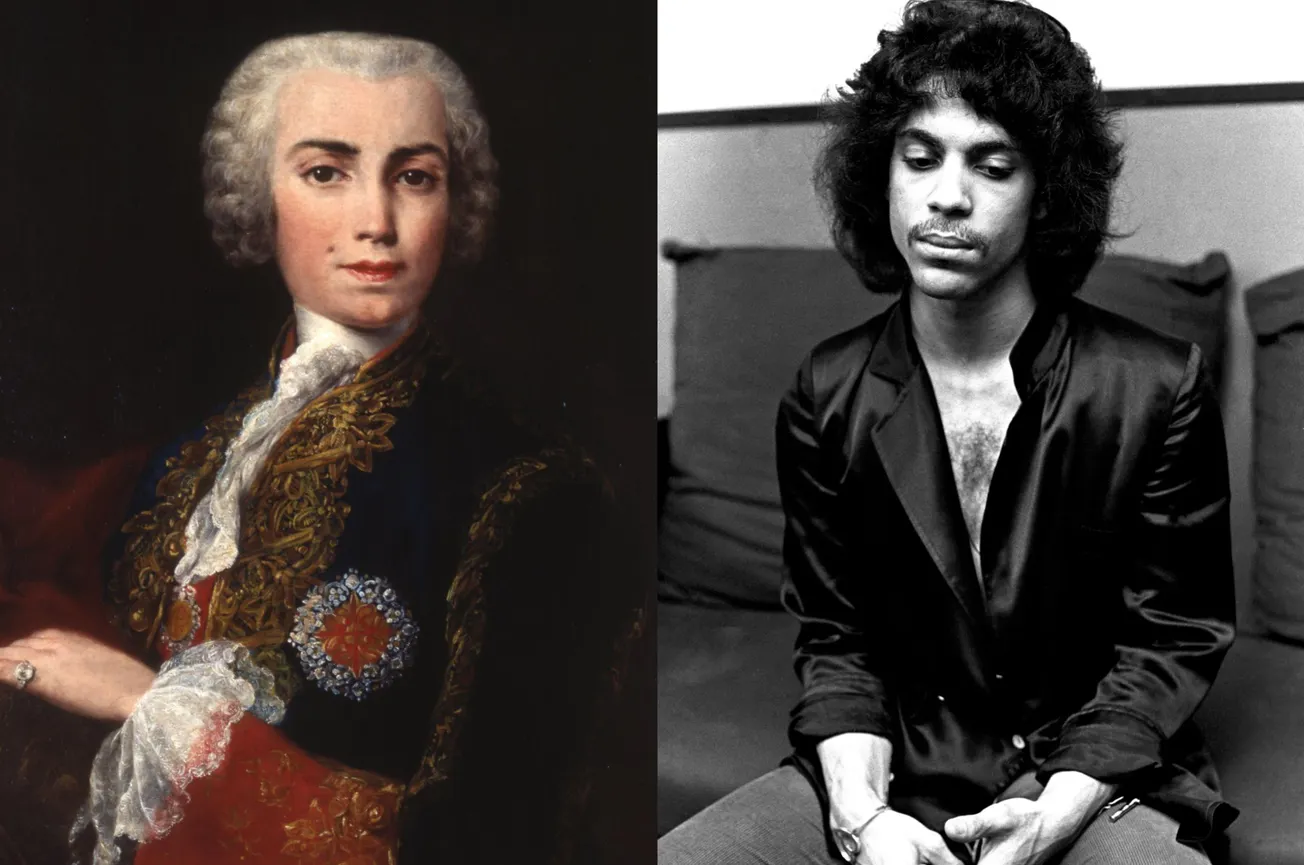
R&B (rhythm and blues) traces its origins to Black sacred music and the oratorical traditions of West Africa. Many of its most famous performers (Marvin Gaye, Luther Vandross, Prince, Stevie Wonder, Chris Brown, Usher, D’Angelo, etc.) first began singing in churches and other Christian environments. Here, there is an interesting shared experience—Black male R&B singers have been demonized for the same asserted traits that castrati were said to demonstrate. Additionally, although Black music and musicians greatly influence modern American society and global culture, they also have had many of their contributions ignored or pathologized unjustly.
The sensuality of the tenor voice is a criticism leveled at Black R&B musicians of today like it was at the castrati. The Italian singers of old employed smorzature (dampening), rinforzi (reinforcing), gruppetti (a four-ornament turn on a main note), mordenti (a rapid alteration between notes), trilli (ringing), appoggiature (a note leading to a dissonant suspension), and sfumature (shading) in order to incite intense emotion. When one listens to Usher’s “Confessions” album, Trey Songz’s single “Can’t Be Friends,” or Ginuwine’s “So Anxious,” one can easily detect similar trills, melisma, repetition, ornamentation, and suspensions to reflect feelings of grief, ecstasy, and love. More to the point, both groups of performers have drawn ire for disrupting the austere conventions of Western composition.
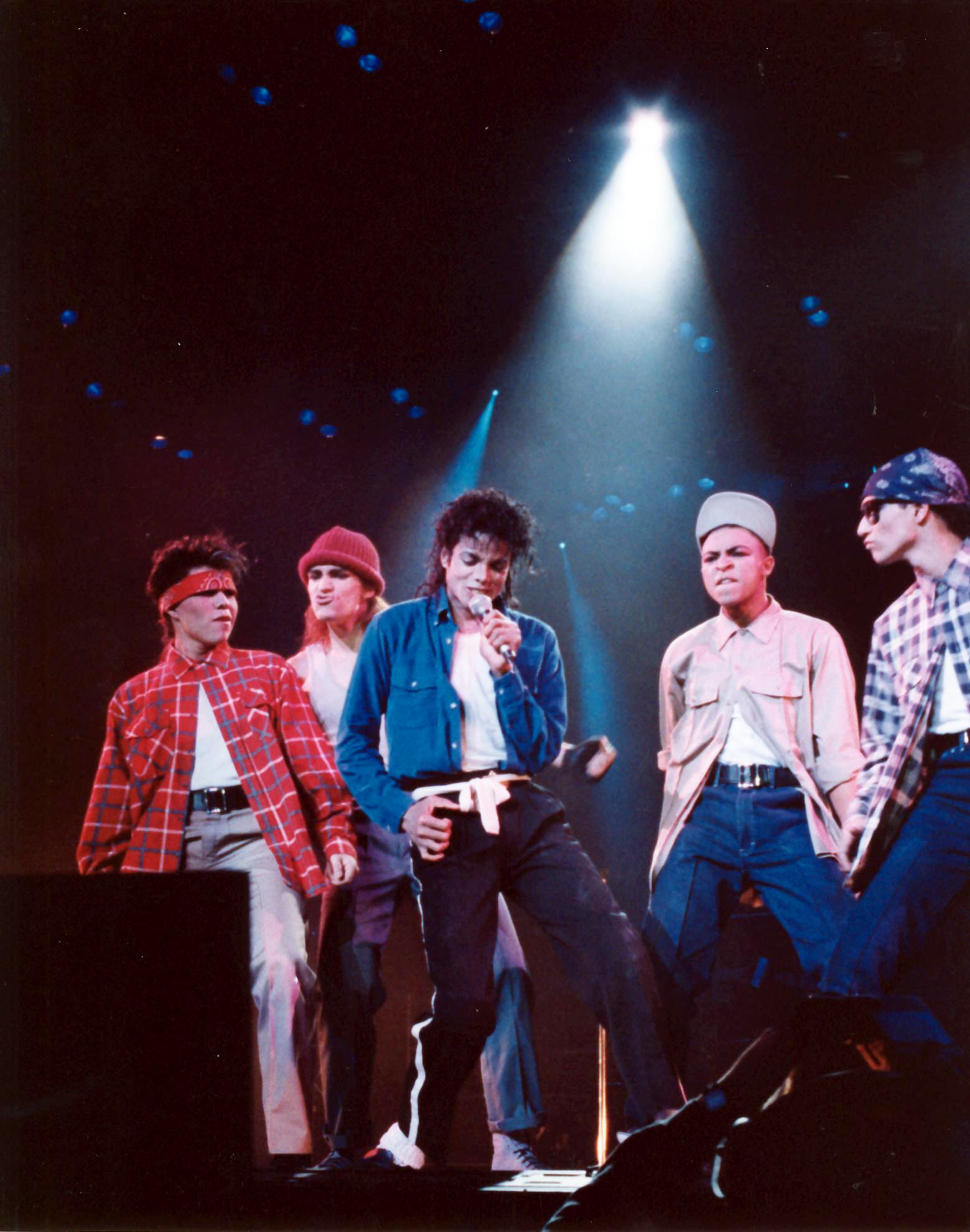
Indeed, arias composed for castrati, such as Monteverdi’s “Tu se' morta, mia vita, ed io respiro?” and Pietro Metastasio’s “Se cerca, se dice,” often detail the experiences of heartbreak, seduction, and tragedy within the lives of legendary figures like Orpheus and Julius Caesar. Their unique timbre and range were integral to expressing the intensity of victory, defeat, and romance that made the lives of such figures compelling. The castrati were seen as the ideal voices to present these figures in a dramatic production, just as R&B singers are a consistent source for exposition of intense feelings in the modern day.
The following questions present themselves. Why did the castrati inspire such revulsion? And why do Black R&B musicians still cause such frequent consternation? The questions are quite complex, but one particular reason is especially influential. I would assert that it is due to the following phenomenon: The castrati of the past and R&B musicians of modernity are dangerous to hegemonic cultural mores, institutions, and patterns of rectitude for their expression of vitality, courage, and transgression of asserted boundaries in ways that can make our society and its arbiters of probity nervous. Censorship of transgressive ideas, however, is a thoroughly unacceptable state of affairs. The society that oppresses the emotive musician is one that aims for rigidity and groupthink. Moreover, censoring of the musician often leads to the suppression of the inventor, the scientist, and the attentive citizen. This dooms the commons to a lack of adequate passion, responsibility, or embrace of risk.
With unfettered music, however, the limitations and terms of the status quo can transform. Because of constitutional guarantees of free speech and association, Americans can think freely while creating transgressively, a project that grants the opportunity to improve, experiment, and transcend the current moment. The castrati were once integral to this project in Europe, but now only the ghost of their presence remains, heard faintly in the arias of soprano singers and hinted at in artworks like Caravaggio’s “The Lute Player.” They have largely been forgotten from history due to the controversy surrounding their emergence, the unique quality of their art, and their inability to be defined or confined.
The erasure of the castrati, however, is a shameful act of history that perpetuates their marginalization and the appropriation of their contributions. This is particularly offensive given the thunderous proclamation of the Hebrew prophet Isaiah:
“Don’t let foreigners who commit themselves to the LORD say, ‘The LORD will never let me be part of his people.’ And don’t let the eunuchs say, ‘I’m a dried-up tree with no children and no future.’ For this is what the LORD says: I will bless those eunuchs who keep my Sabbath days holy and who choose to do what pleases me and commit their lives to me. I will give them—within the walls of my house— a memorial and a name far greater than sons and daughters could give. For the name I give them is an everlasting one. It will never disappear!”
(Isaiah 56:3-5)
Scripture is unequivocal: Eunuchs are members of the Kingdom of God, and are not to be mistreated. Consequently, Catholics should seek to rehabilitate and honor the contributions of the castrati as a rejoinder against all unjust discrimination and censorship, and a move toward a vision of artistic freedom that can give voice to the unspoken.
Given the proximity of the castrati to many contemporary Black musicians in style and content, broader acceptance for the contributions of the castrati could help society understand and promote acceptance of Black musical talent as well. Above all, such an effort would honor the teachings of Jesus himself, who noted that “there are those who become eunuchs for the sake of heaven.”
Alexander Walton is an honors graduate of Morehouse College, where he earned a Bachelor of Arts degree in Philosophy. He is currently a Master of Arts candidate at Yale Divinity School and the Yale Institute of Sacred Music.