
For Black History Month, I wanted to do a pilgrimage to the Our Mother of Africa Chapel, located on the bottom floor of the Basilica of the National Shrine of the Immaculate Conception in Washington. But first, I had to go to another Black pilgrimage site, the National Museum of African American History and Culture, also known as the Blacksonian.
I had visited the museum before on multiple occasions, but on this trip I was traveling with my sister and her girlfriend, the latter of whom had never been and wanted the experience. The first time I went was almost 10 years ago, and I spent a lot of time in the first-floor exhibits, learning about the slave trade and the ascent into freedom. It’s sombering, and the touches of humanity in a period when Black and brown bodies were constantly robbed of their dignity felt heart-wrenchingly beautiful.
As I walked through this time around, there was an added heaviness from witnessing the past 10 years of a backsliding democracy in America and a slow retreat from the rights fought for with blood, sweat, and tears.
What stood out the most to me in the museum was the section on the Middle Passage. We heard and saw the depictions of the conditions endured by the enslaved Africans, and saw the small chains that held children. Walking out, we saw the White House. Number 47 was so close, yet so untethered to reality and history.
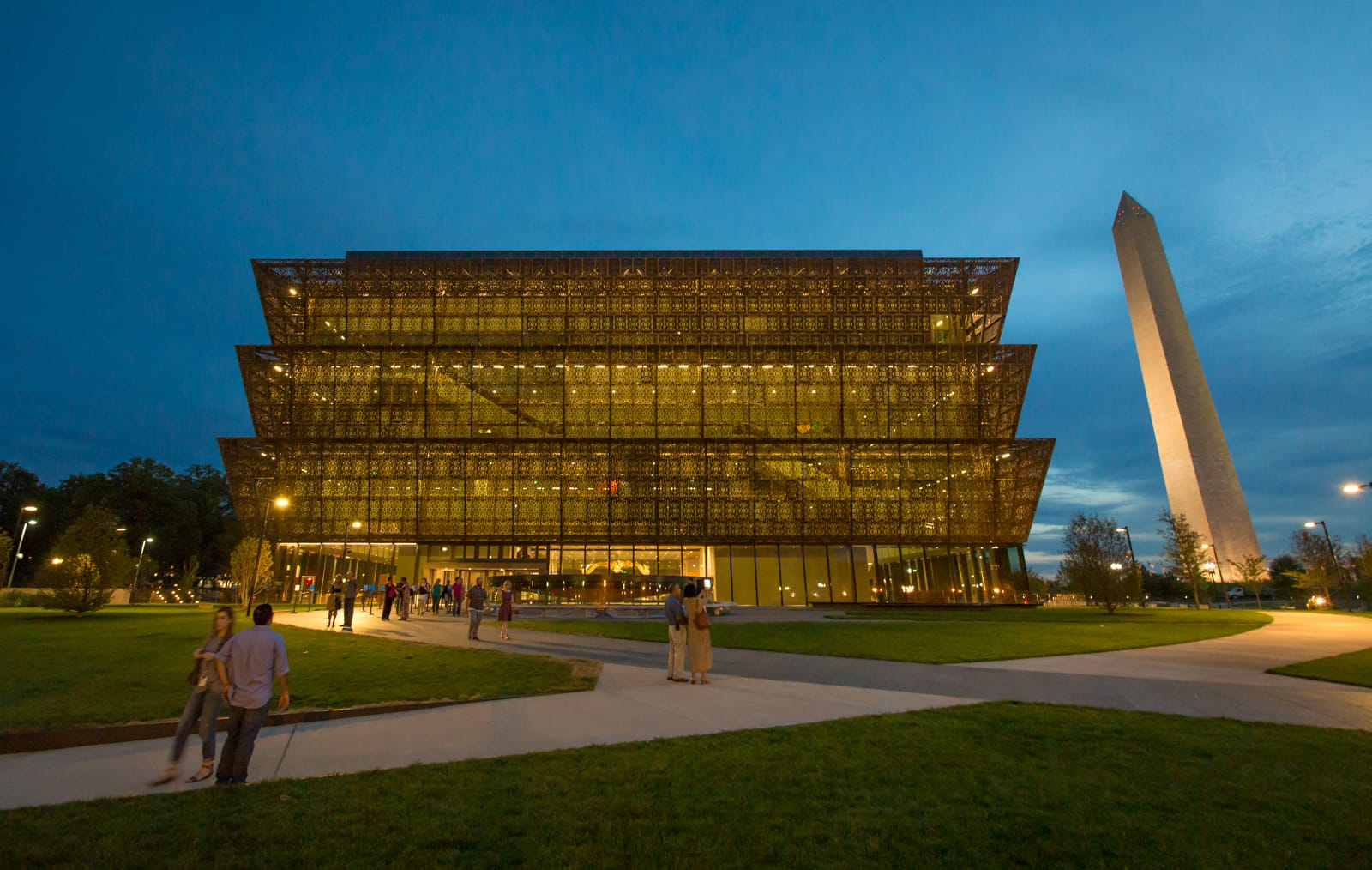
Two days later, I took a bus to the basilica. The wind blew in my face as I walked up the steps towards the entrance. I genuflected in the main church before heading down the stairs.
The Our Mother of Africa Chapel is truly beautiful, and a hidden gem of the basilica’s many chapels dedicated to different Marian cultural devotions. To enter the Our Mother of Africa Chapel, you pass over a slave ship—the Henrietta Marie—on which dozens of enslaved Africans lost their lives.
As I stepped into the space, I felt warm tears run down my face. There was a wave of emotion, anger over the millions of lives distorted by the sin of slavery, millions who had their innocence stolen from them because of the color of their skin.
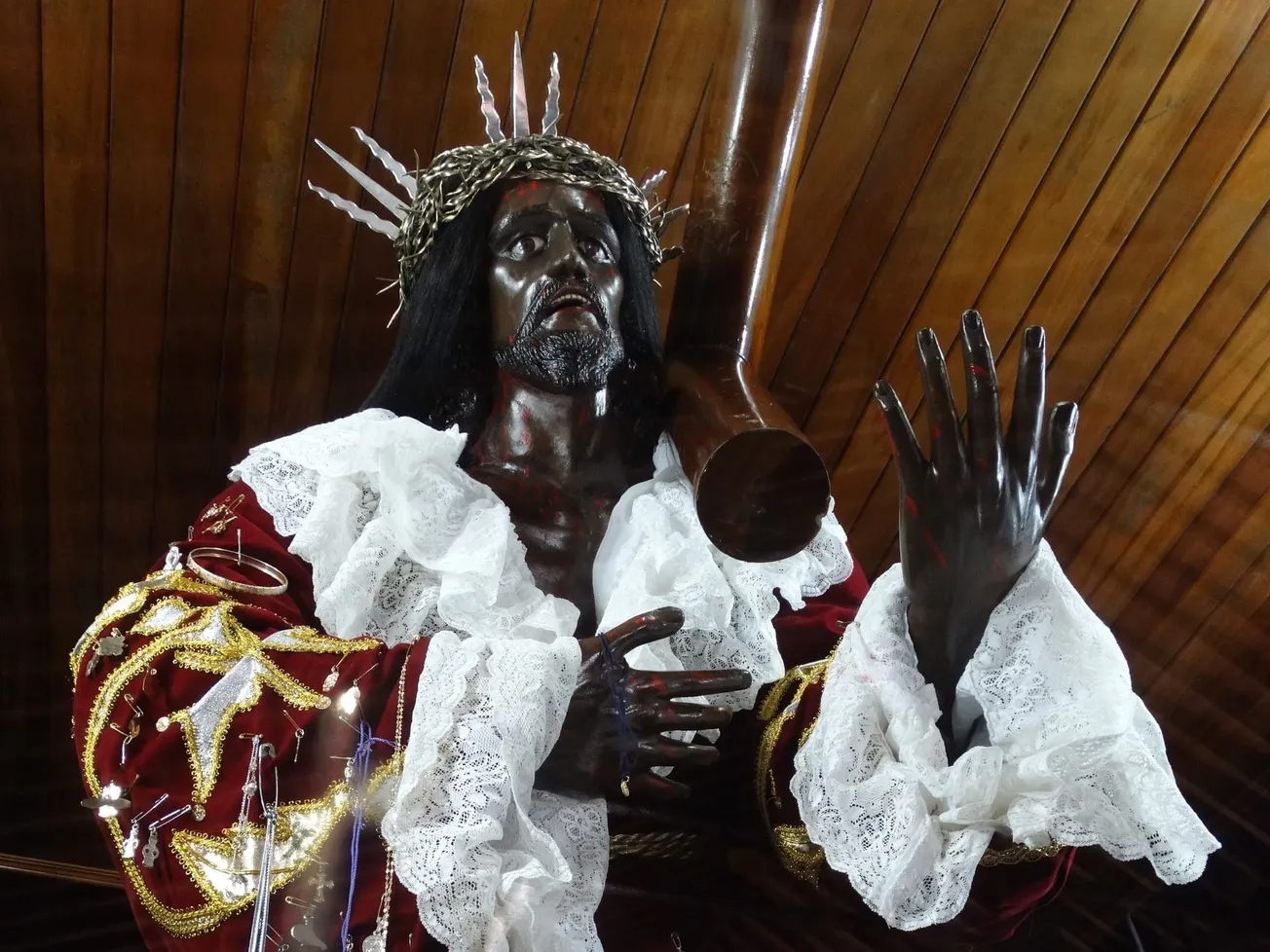
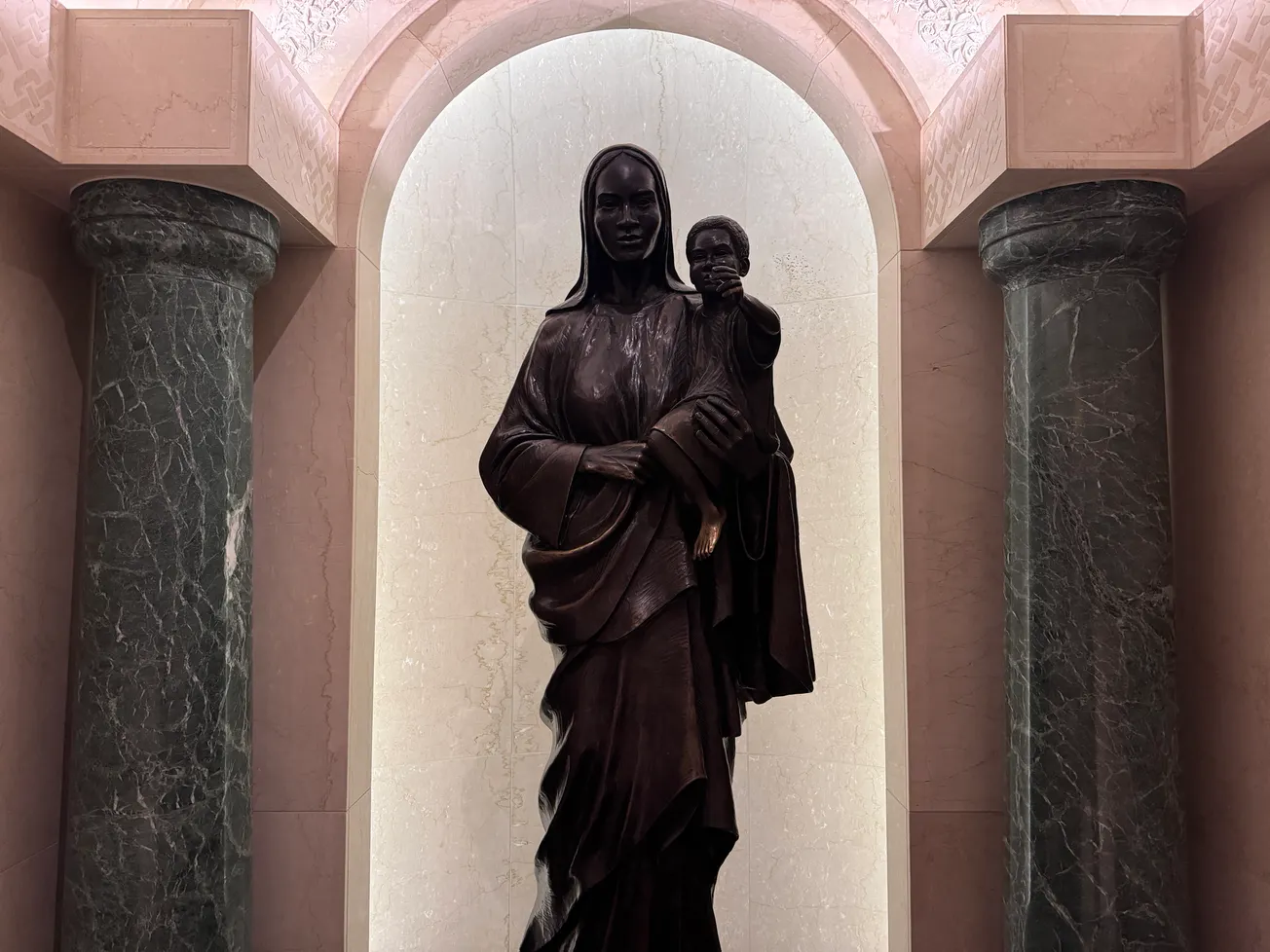
Honestly, some of my anger was directed at God. Why would he let this happen? But as I walked inside, I felt the Spirit move. In the Our Mother of Africa statue by sculptor Ed Dwight, an ebony Mary holds a Black Jesus with a ‘fro. Two of the Evangelists look on, both Black as well. The other two face the altar, a smooth marble stone with a crucified Black Jesus above. He’s sinewy and determined; his hands, pierced, remain in clenched fists.
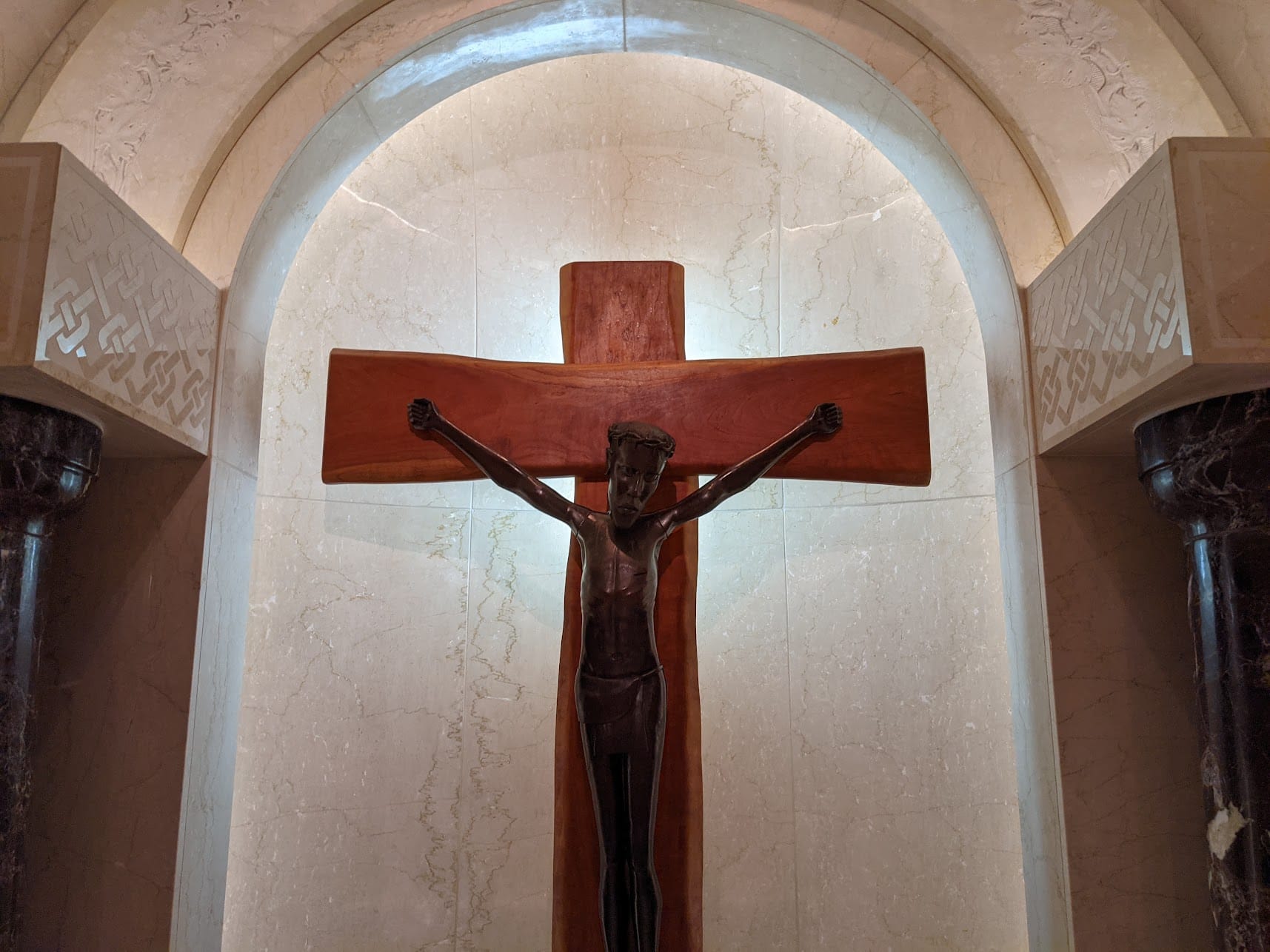
Across from Mary is a bas relief showing the history of African-American people, with the Holy Spirit looking over their fights for justice, both the victories and the losses. As many feelings washed over me, something inside pulled me to the crucified Jesus. His hands clenched in victory reminded me of a few truths.
One is that Black is beautiful. Since God incarnated Himself, taking on skin and melanin, he has consecrated our experiences to make them beautiful. All human experiences can be made holy. The Black experience in America, birthed through the tragedy of greed, can somehow be redeemed.
The second is the message of Sister of the Blessed Sacrament Mary Roger Thibodeaux, which is enshrined in the Blacksonian:
“The cause of justice is and always will be in strict accordance with the will of God.”
Christ with his fist raised shows a God who is constantly on the side of the oppressed, granting power to resist the temptations of despair and hold fast until the race is won. In a country marred by gross incompetence and corruption, it is crucial to remember that what we are experiencing and witnessing is not the end of our story, but Christ with his raised fist is.
In a world where many White Christians are more willing to submit to an authoritarian administration than to even a modicum of biblical justice, we can look to the God who took on melanin and its lived experience as a source of comfort and strength. Let this be our hope.
Tulio Huggins is a writer and theology graduate student. You can follow his writing on substack and instagram at @tulioisreading.