
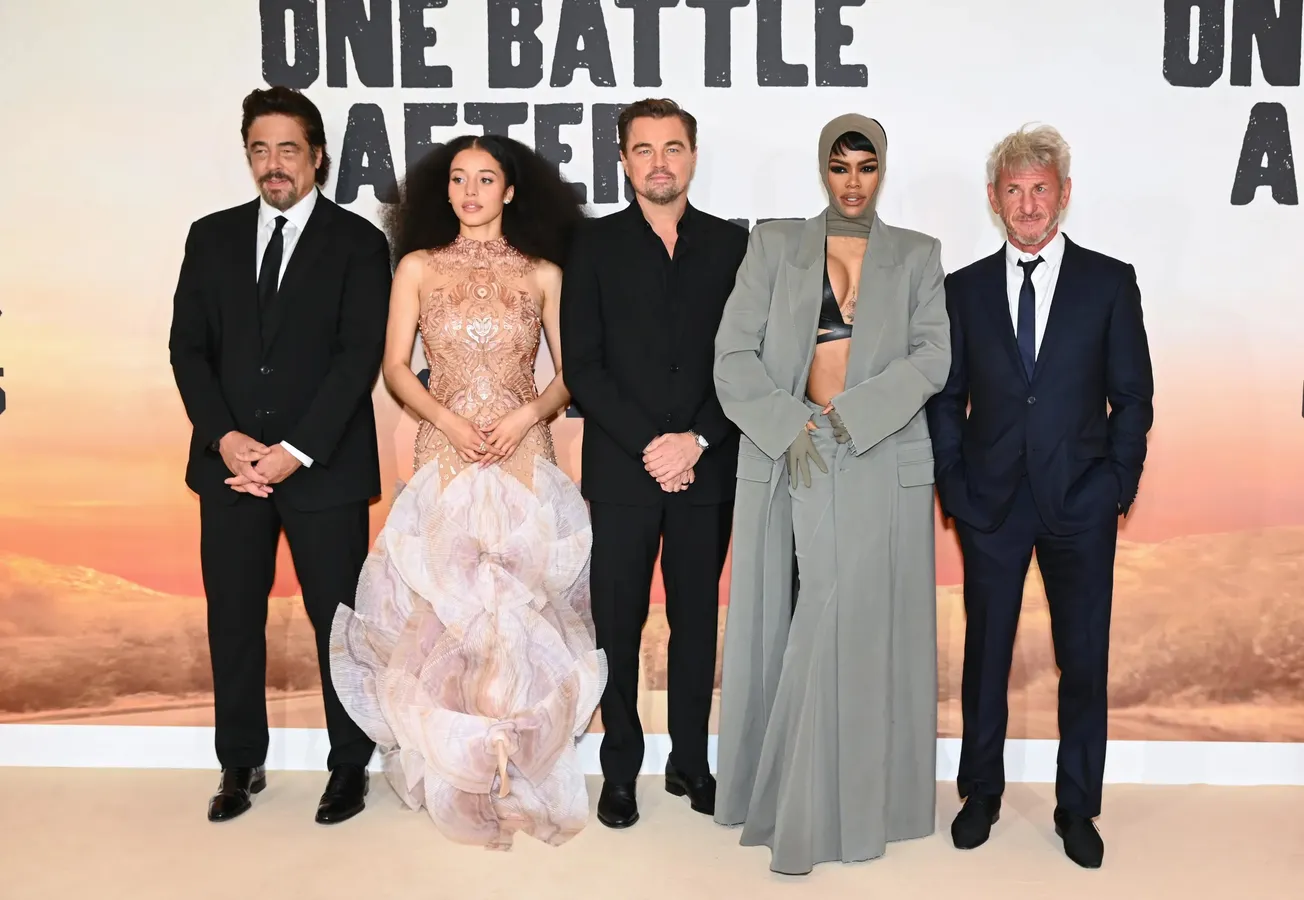
Of the Best Picture nominees at the Oscars, none inspired more heated debate than “One Battle After Another,” a film I personally enjoyed. It is at once harsh and tender, with neither quality diminishing the other. Plenty of people have condemned its depiction of leftists, and while I agree with such criticisms, there is another aspect that deserves attention.
The film opens at a detention center, where migrants are freed by members of a revolutionary group, the French 75. One of the members is Perfidia Beverly Hills (Teyana Taylor), who possesses a towering swagger despite her slight frame. She encounters the detention center’s commander Steven J. Lockjaw (Sean Penn) and sexually humiliates him. This moment leads to Lockjaw’s fetishistic obsession with her, to which she submits on at least one occasion. When Lockjaw is later recruited to join an underground White Supremacist society, The Christmas Adventurers, his past relations with Perfidia jeopardize his acceptance in the group.
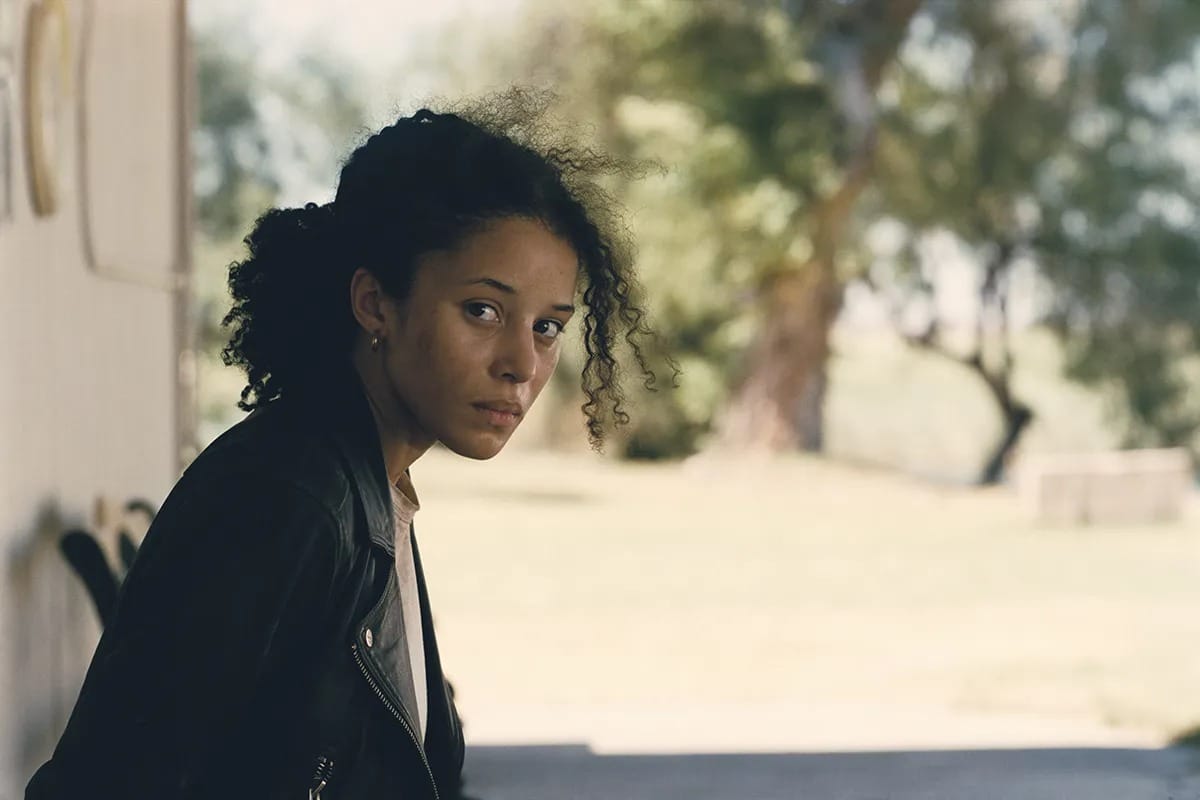
Hoping to hide all evidence, Lockjaw hunts down Perfidia's biracial daughter, Willa Ferguson (Chase Infiniti), whom he may have fathered. This is what sets the events of the film in motion, and I haven't seen enough people discuss how uncomfortable that is.
I've read reviews that claim the film makes a mockery of the far right, but I don't agree. Sure, it's an exaggerated portrayal, but it isn’t satirical. It is just reality. MAGA doesn't need to hide anything; they do everything in the open. In the real world, high-ranking U.S. military officials are reportedly telling soldiers that the Iran War is divinely ordained. Everyone can see President Donald Trump is a slob with a limited grasp of the only language he's fluent in, but he still has access to the nuclear codes. He’s easy to mock, but he is the most powerful person on the planet, wreaking havoc in every corner of the globe.
Given this, nothing about Lockjaw would be distasteful to the far right. I don't think the average Trump voter even watched this film, but if they did, how would it anger them? Wouldn't it give them license to mock how disorganized the film’s leftists are, how they waste so much time on pronouns, how their movement is fractured by the betrayal of one woman who consequently goes into hiding and abandons her child? Do you really think pundits like Ben Shapiro or Matt Walsh would think Perfidia is a complex and nuanced character, or just an unfit mother who has an overwhelming sexual desire for White men?
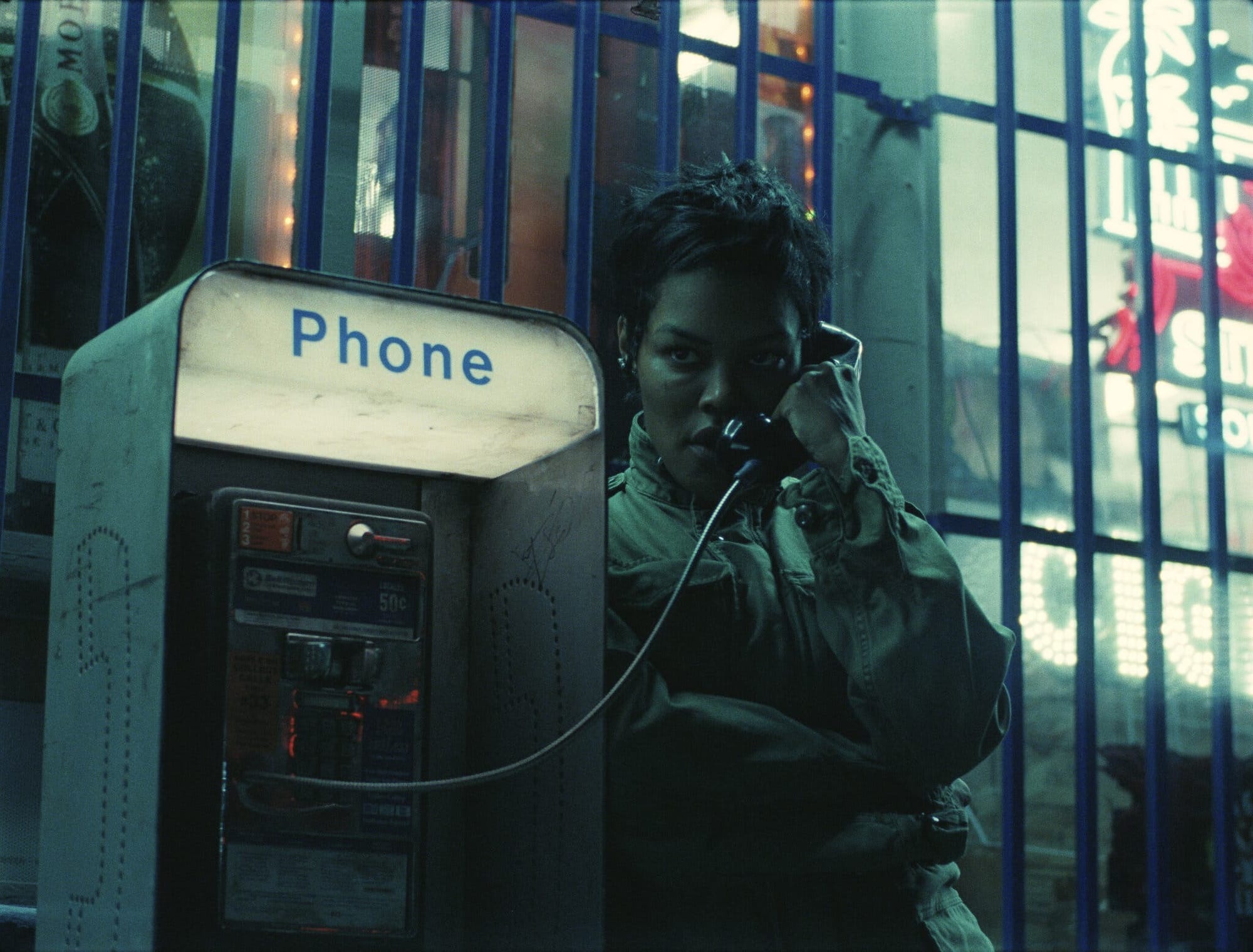
Many defend Perfidia as a flawed yet powerful portrayal of Black womanhood, but in reality, she’s pursued and objectified by a White Supremacist. She is coerced into having sex with Lockjaw, rendering her earlier humiliation of him irrelevant. How, exactly, is she empowering?
It's not as if White filmmakers are incapable of creating well-rounded Black female characters. Mike Leigh's “Hard Truths” (2024) is a prime example. In that film, Pansy (a luminous Marianne Jean-Baptiste) is one of the most unsympathetic characters in recent fiction. She is always unleashing angry outbursts on her family and strangers, often irrationally. No excuses can be made for her, but her fury is the result of a deep, private wound she hasn't allowed anyone to see.
While Taylor and Penn were recognized by the Academy for their performances—being nominated for Best Supporting Actress and Actor, respectively, and Penn winning—there are three others that stand out the most, and only one received an Oscar nod, which is baffling. Newcomer Chase Infiniti is dazzling and Regina Hall brings an understated brilliance to every scene she appears in.
Like Penn, Benicio de Toro was a contender for Best Supporting Actor. His character, Sergio St. Carlos—also called Sensei—was largely shaped by del Toro’s input, and his “Latino Harriet Tubman” sequence is the best in the entire film. (The original scene introducing his character, written by director Paul Thomas Anderson and which del Toro said lacked any logic, was ultimately replaced with the version seen in the film.)
The depiction of Sergio’s underground haven for undocumented immigrants is the most affecting part of the film, one of the rare moments not shrouded in cynicism. The French 75 may blow up buildings, take hostages and pose ultimatums to politicians, but their organization implodes after Perfidia’s betrayal. Members are killed or forced into hiding, like Bob Ferguson (Leonardo DiCaprio). His glory days as a revolutionary behind him, he’s now a paranoid single father who won’t even allow his daughter Willa to have a cellphone.
Bob is not terribly compelling as the main character. He’s nothing more than a bumbling fool, a direct contrast to Sergio. While Bob’s fear makes him hysterical, Sergio maintains a cool equilibrium under pressure. Bob’s most important priority is Willa, even over his own sanity. Perhaps the greatest revolution begins at home; revolution without love is no revolution at all. And that is precisely why Sergio is the film’s true hero.
There’s an idea being pushed by film critics that a film about revolutionary leftist politics doesn't need to be coherent. This attitude absolves Anderson, the director, of any responsibility. After all, he is an apparent Zionist who has praised the IDF and doesn't want to comment on our current political climate (which is depicted in this film). I think it's safe to say, then, that he is using the film to mock leftists or, at the very least, is irresponsible in how he presents them. Moreover, with his wealth and privilege, why should he avoid speaking out for the vulnerable and marginalized?
Leftist movements are never mainstream. We can’t expect billionaires without a conscience, for example, to fund political campaigns that seek to eliminate poverty. And while despair is a luxury we can’t afford, many of us lack Anderson's wealth and platform. Certainly a celebrated filmmaker does have an obligation to speak about the political climate in this country. Anderson’s limp view that he lets the work “speak for itself” isn’t encouraging when what the film does say is troubling. And since “One Battle After Another” is about leftist politics, why wouldn’t he engage with those ideas outside of the film?
Anderson has now won Best Picture, Director, and Adapted Screenplay for this film. I didn’t expect him to condemn ICE or the blockade on Cuba, or the ongoing attacks on Iran, nor the other stars and filmmakers on Hollywood’s greatest night.
At the conclusion of “One Battle After Another,” Willa has taken up the revolutionary fight, while Bob, irrelevant as ever, takes selfies on his glossy new iPhone. It's laughable when you consider how earlier in the film, he asked Willa's teacher if she taught her students the real history of the United States, which is so often sugarcoated. And yet he isn't aware of children in the Congo being forced to mine the cobalt that powers Apple products?
Between Willa and Bob, it is clear who we have to be.
Simoa Barros is based in Boston, frequently surprised by God's stubborn love and mercy, and a big fan of mystery, beauty, myth, and fairy tales.