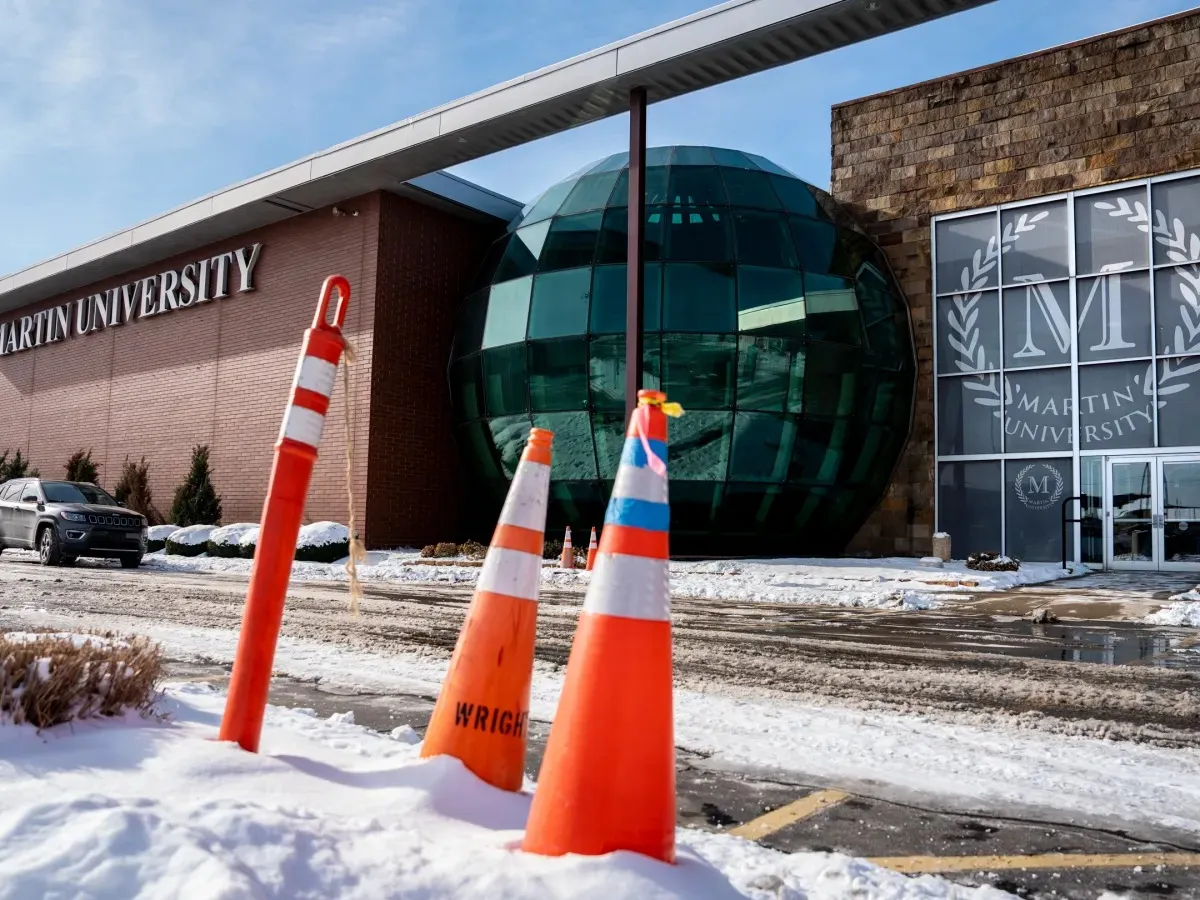
The campus of the former Martin University in Indianapolis, Indiana’s only predominantly Black institution of higher learning, has hit the market for $3.5 million, roughly 10 million less than a recent tax valuation.
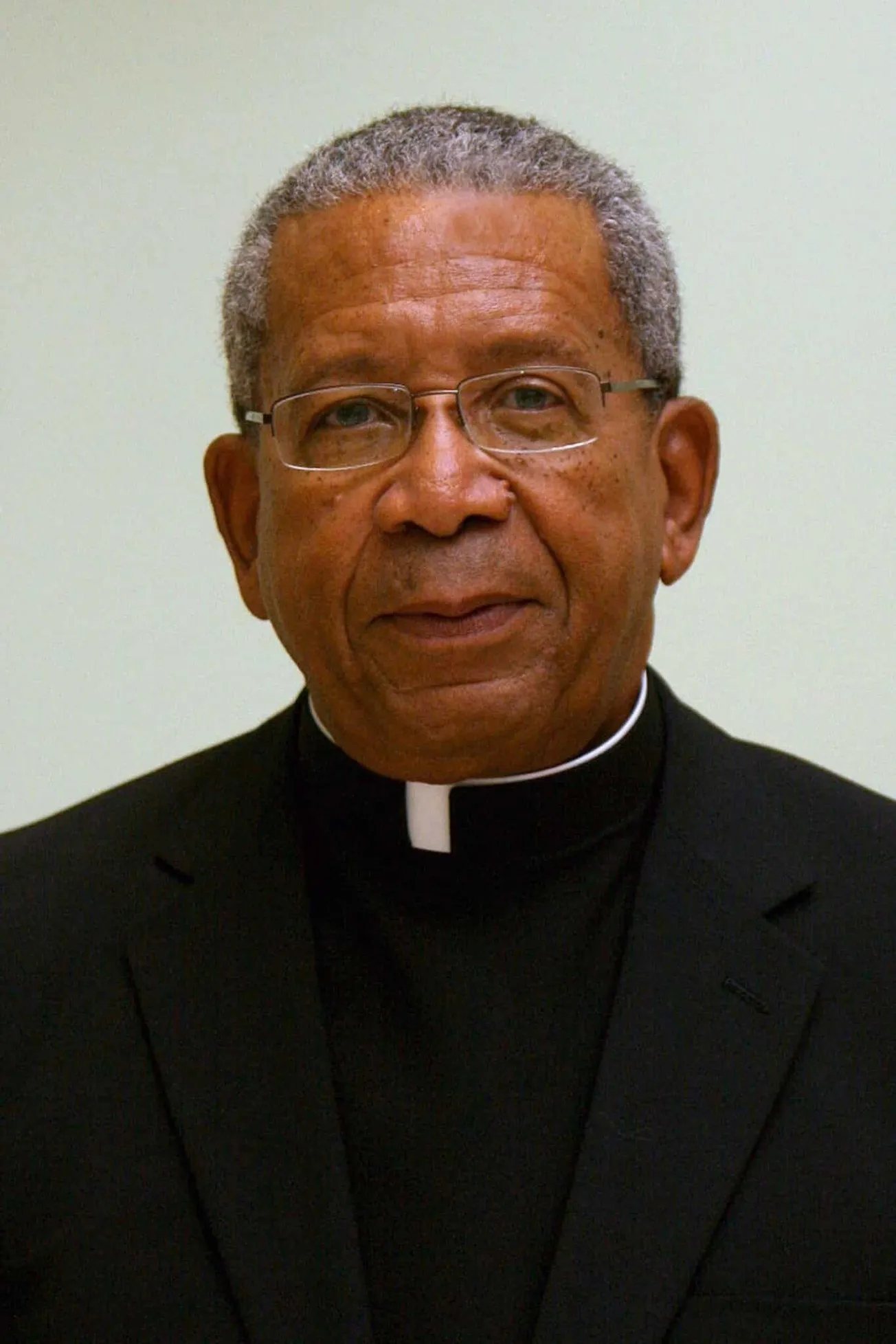
The historic institution, cofounded by a Black Catholic priest—Benedictine monk Boniface Hardin—closed abruptly in late December after roughly a decade of financial crisis.
“Declining enrollment, increasing costs and accumulated debt left the university without sufficient operating cash to function as an institution of higher learning,” the board of trustees wrote in an open letter on Dec. 30.
“Following the decision to pause operations, the Higher Learning Commission directed the university to cease operations. Combined with the lack of sufficient operating revenue, Martin has had no choice but to move toward closure.”
Following the decision to pause operations, the Higher Learning Commission directed the university to cease operations. Combined with the lack of sufficient operating revenue, Martin has had no choice but to move toward closure. https://t.co/Vids4MdAs4
— Indianapolis Recorder (@IndyRecorder) December 30, 2025
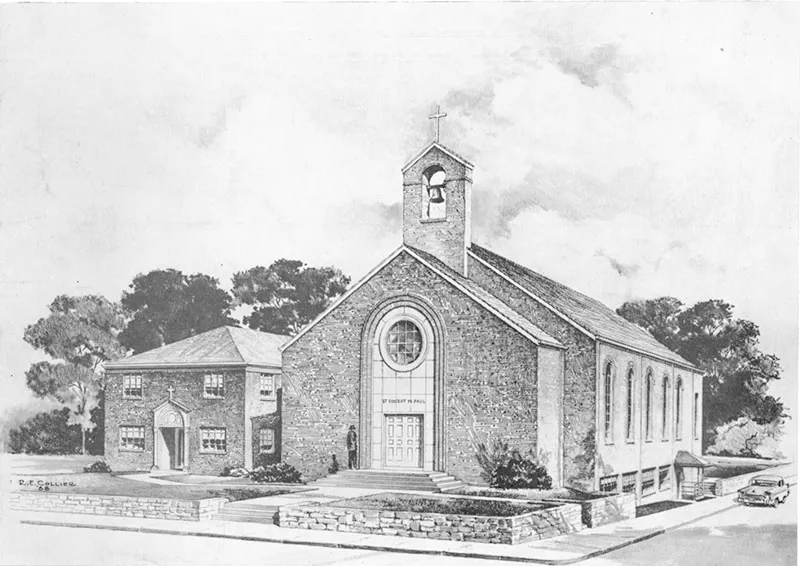
The real estate listing for the eight-acre campus, first reported by Mirror Indy in February, includes the entirety of the former school’s 49-year-old footprint in the city’s Eastside district, as well as nearby residential land owned by the university. There has reportedly been interest in the land from a variety of sectors, including education, nonprofits, and religious groups.
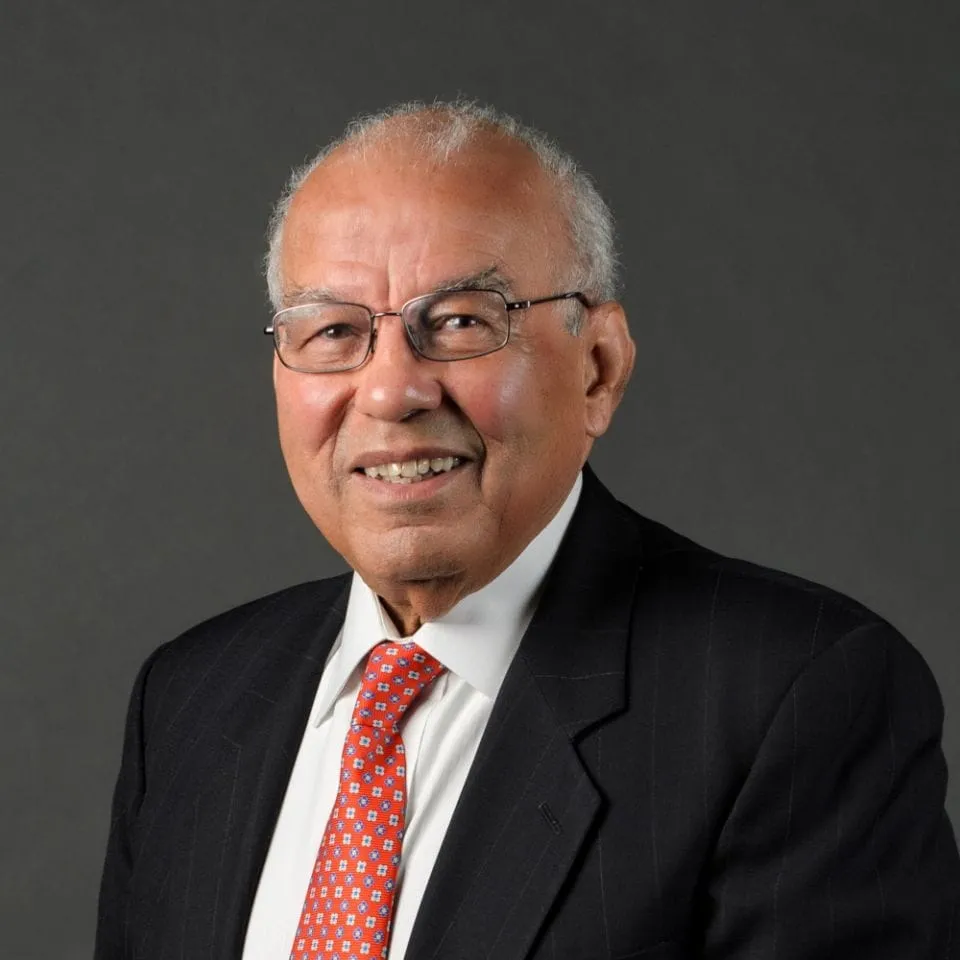
Founded in 1977 by Hardin and Sr Jane Edward Schilling, a member of the Sisters of St. Joseph of Carondelet, the school grew out of their commitment to educating the underprivileged after a period of ministry together at the historically Black Holy Angels Catholic Church and School. After a run-in with the local bishop, Hardin left the parish to found the Martin Center in 1969, which initially provided anti-racism training and Afrocentric education for adults.
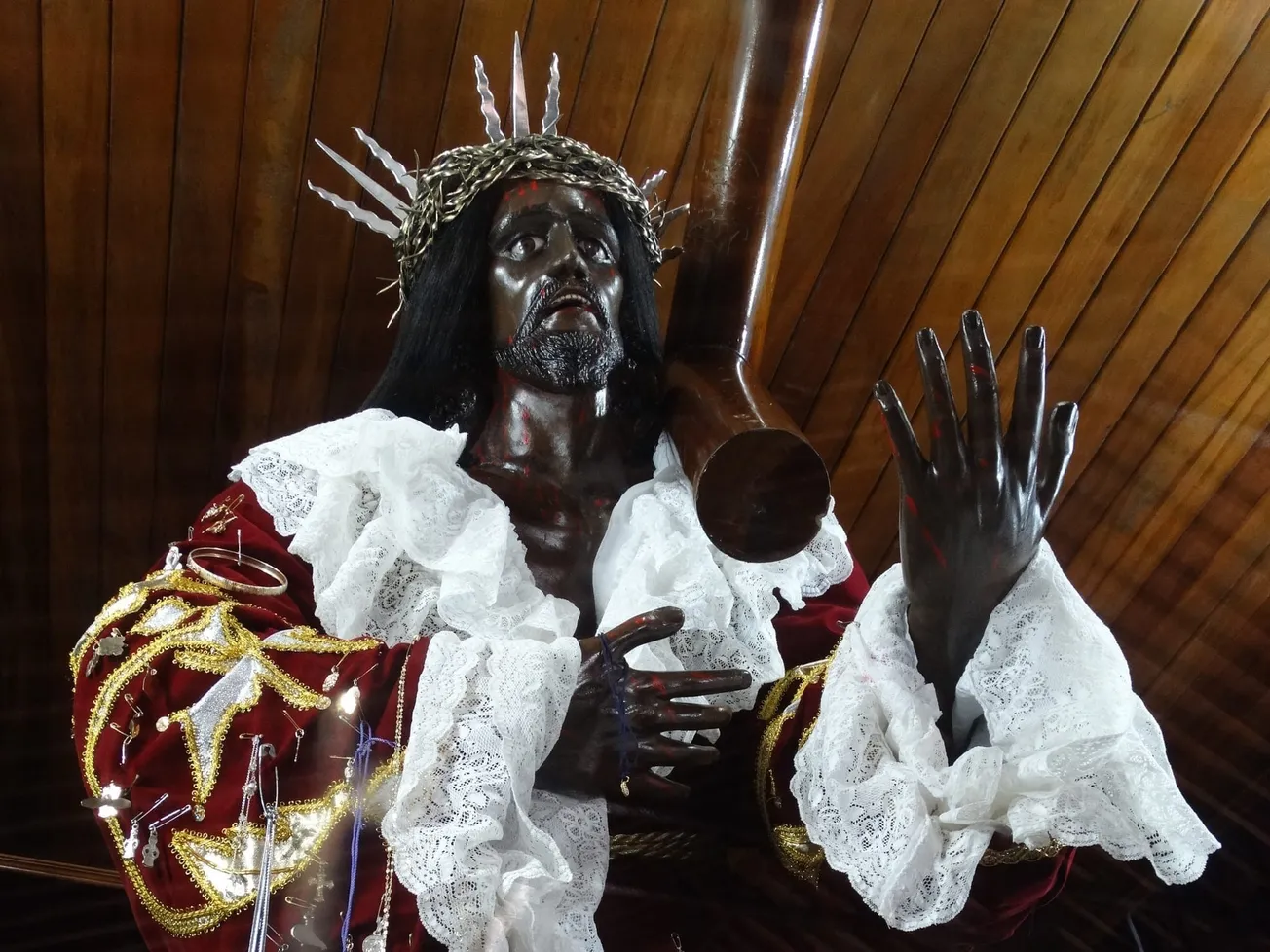
Schilling quickly became a partner in the ministry and the Martin Center expanded into a multifaceted health, educational, and cultural outreach. By the late 1970s it was offering college credit for courses and produced Martin Center College, a non-denominational private institution on its own campus. The school was renamed Martin University in 1990—drawing from the original namesakes of Dr. Martin Luther King Jr. and St. Martin de Porres.
Hardin served as the founding president of the school until 2007 and Schilling served as vice president for academic affairs during the same era. Their leadership saw expansive growth for the mostly Black institution, with enrollment peaking at roughly 1,000 students shortly after their retirement.
By 2012, however, the university was placed on monitoring status by its accreditor, the Higher Learning Commission, due to low student retention and various administrative issues. It was placed on probation in 2014, a status that was lifted in 2017 after successful corrective measures. In 2022, the university was victim to a wide-ranging ransomware attack that corrupted its digital records and reintensified institutional stability concerns.
By 2023, an audit showed that Martin was at risk of financial collapse, with the U.S. Department of Education placing the school on Heightened Cash Monitoring due to missed financial deadlines. As enrollment continued to plunge, the university was dealt a final blow in 2025 when Gov. Mike Braun declined to renew a $5 million state grant that the school hoped could help it stay afloat.
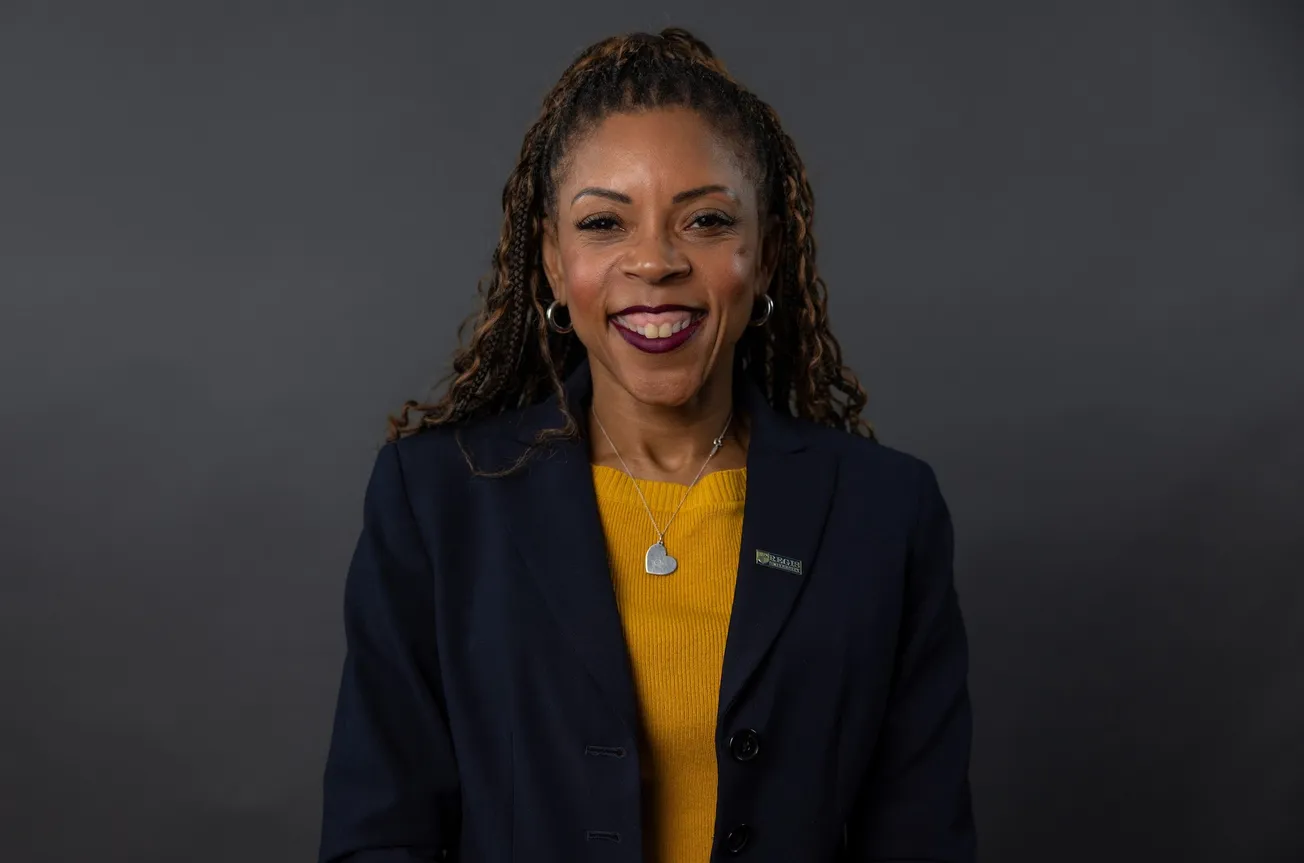
Martin’s president, Dr. Sean L. Huddleston, announced his resignation in September, effective Nov. 28. The university then announced a “pause” in operations in early December, though with no plan to reopen. The more permanent announcement came three weeks later under an interim president, Brig. Gen. Felicia Brokaw.
For $3.5 million you can buy Martin University’s eastside campus and nine parcels of land near it.
— Mirror Indy (@mirrorindy) February 19, 2026
The decision to put the campus up for sale comes less than two months after it was announced that the university would begin selling off assets: https://t.co/nSfsvjDCqa
With no endowment and “completely empty” coffers, Martin leaders told roughly 42 faculty and staff they would not be paid after the December closure announcement, sparking outrage among alumni and other observers. It was believed that the university’s leadership, headed by board chair Joseph Perkins, had overstated the school’s ability to withstand its financial troubles and misled staff about their future at the school.
Following the mid-year closure of Martin, various area schools committed to assisting students with completing their degrees, including the University of Indianapolis, Marian University, Indiana University Indianapolis, and Indiana Wesleyan.
Martin’s leadership has stated that the prompt sale of university property could help honor unpaid wages for university employees, and obligations to creditors, as the school was heavily in debt at the time of closure.
“Martin University values and respects the stakeholders who have stood with this institution for decades—alumni, donors, employees, partners, churches and community advocates,” the university board wrote in December.
“Even as we wind down operations, we remain open to supporters who are willing and able to assist in meaningful ways—financially and through enrollment—consistent with the fiduciary responsibilities we hold. Our work now is to ensure that Martin’s legacy of access, faith, resilience and opportunity does not disappear.”
Nate Tinner-Williams is co-founder and editor of Black Catholic Messenger.