I recently attended an online workshop with FutureChurch titled “Rest In A Time of Chaos” with Elise Gower and Dr. Laurie Cassidy. The workshop began with an acknowledgement that we live in a time of national and global chaos—referencing the ongoing wars, social welfare reductions, racism, homophobia, deportations and assaults on human dignity.
The mission of FutureChurch is to “seek changes that will provide all Roman Catholics the opportunity to participate fully in Church life and leadership.” The workshop was a perfect example of the mission, reminding us that Catholics’ full participation in the Church means working for justice, mercy, and the common good.
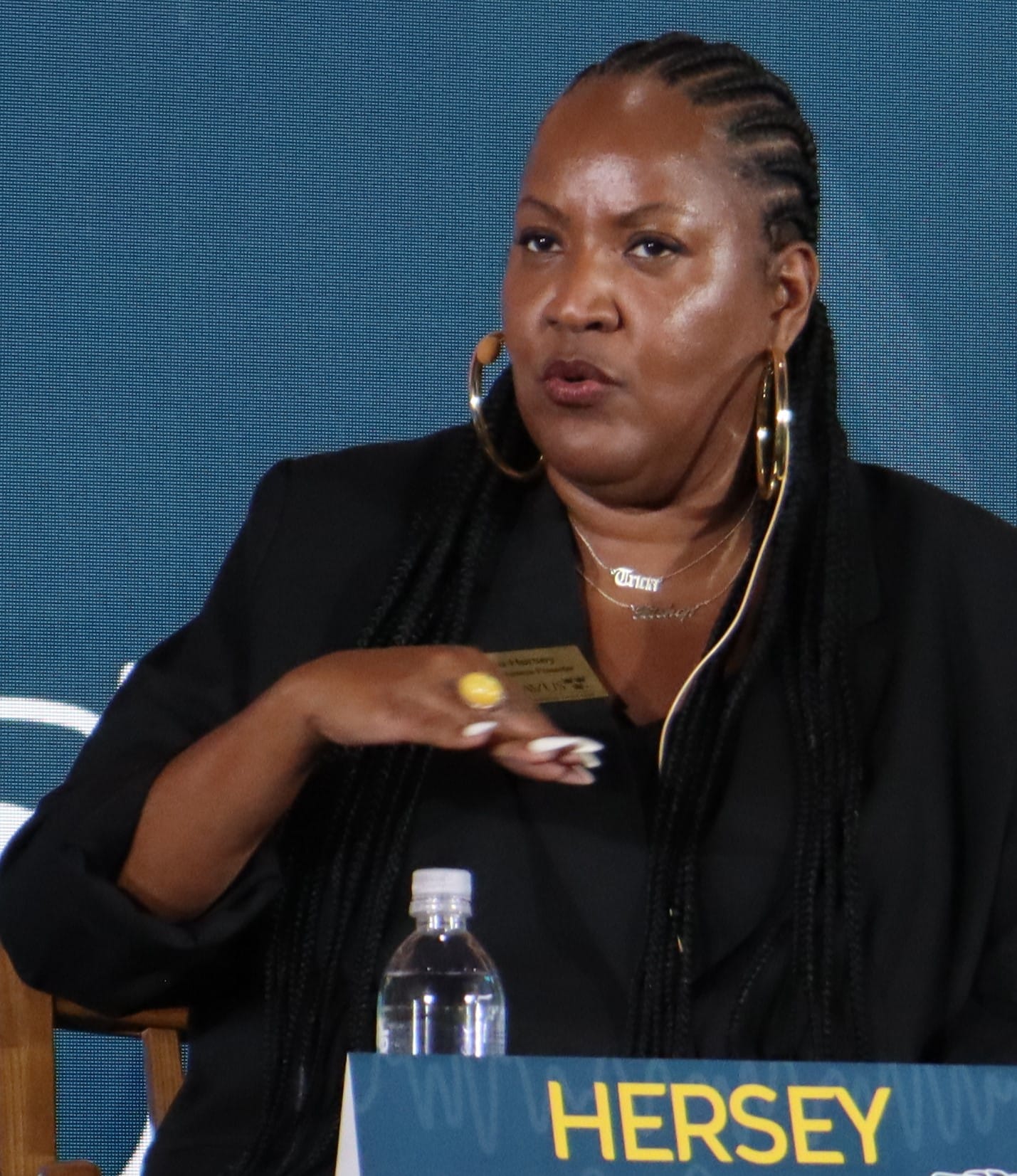
Gower and Cassidy highlighted the importance of rest in our lives and vocations. They based much of their presentation on a book by Tricia Hersey, “Rest Is Resistance: A Manifesto.” Hersey is an artist, chaplain, poet and community organizer who embodies tenets of Black and womanist theology. Her book is a useful tool in recognizing that our personal rest time is essential to our resistance against the grind of capitalism, the indignity of racism, and the cruelty of America First ideology.
The workshop leaders noted that Hersey makes three essential points in her book. First of all, rest is resistance in that it disrupts the life-depleting nature of capitalism and racism. Second, it recognizes that our bodies are a site of liberation. This is a particularly Christian perspective, since Jesus’ incarnation as a human elevated the dignity of every human being and highlighted the human body as the means of salvation. Third, naps are not just rest; they are a time to listen, reflect, dream, and quietly plan our next acts of resistance.
I was encouraged to see Hersey, an African-American author, centered in the FutureChurch program. I am convinced that our nation’s survival and restoration will come from an infusion of Black spirituality and culture, and from the wisdom and actions of marginalized groups such as immigrants, LGBTQ people, and others.
Another highlight of the workshop was how the presenters highlighted the importance of African maroon communities in the New World. During transatlantic slavery, many enslaved people escaped to form thriving independent communities far from roving slave-catchers. These “maroon” communities often housed hundreds of the formerly enslaved, who created their own free world in the midst of slavery’s domination. In Antigua, Jamaica, Brazil, Florida, Trinidad, and elsewhere, Black people created an independent reality of support and resistance.
Gower and Cassidy noted Hersey’s focus on the magnificent example of maroon societies as an example for us to follow. Just as the maroons created their own freedom and said “No” to enslavement, we too could create our own communities of resistance in the midst of the racist, violent chaos that is now the United States. Hersey suggests that as individuals we rest, discern, and dream of our next steps, being careful not to work so furiously that we burn out and become useless. Furthermore, just like the maroon societies built free and creative spaces in the midst of violence, we too could forge such communities with others who act as Christ’s light in dark times.
Since many of the maroon communities in the U.S. were in Spanish Florida, we know that some of the maroon societies had a Catholic presence. Imagine Black Catholics freeing themselves from slavery, praying for Mary’s intercessions, and recognizing Jesus as their friend and liberator. Likewise, it is important for Black Catholics today to find ways to rest for resistance and organize for change. Due to the unique history of Black Americans, we are generally free from Christian nationalism and are advocates for peace and justice. That history, joined with faith in God, participation in the Body of Christ, and the presence of the Holy Spirit; can help us build our own nurturing and life-giving “maroon” communities today.
A recent book, “The Battle of Negro Fort: The Rise and Fall of a Fugitive Slave Community” by Dr. Matthew J. Clavin, highlights how Negro Fort, one of the maroon communities in Spanish Florida, undermined the system of enslavement. For decades the fort provided freedom for escaped slaves and a home in the midst of hate and violence. The fort was also a symbol of Black resistance and subverted the foundations of slave society.
The majority of White Christian voters in America elected Donald Trump as president despite his previous and ongoing behaviors. These include lies, inappropriate sexual language, racism, bullying, name-calling, terrorism, felonies, and the list goes on. Thus, it is difficult to understand why these voters supported (and still support) him. It is also a sad fact that they went forward in 2024 with the blessing of many prominent Catholic bishops, and in the name of restoring our nation’s alleged Christian roots and values.
Given that context, perhaps it is time for Black Catholics to highlight another narrative. One where we rest (as necessary) and organize (as necessary) to build our own free spaces from which we can work to make God’s reign a reality, even in our time of chaos. Which model represents God’s reign? An ideology wherein religious faith justifies and blesses dominance, or a counter-narrative of faith that is free to resist and struggle for what is right, true, and good for all?
Daryl Grigsby is author of “Catholics for the Common Good: An Eternal Offering” and is on the board of directors of FutureChurch and Leadership Foundations.